
The Samurai’s Role in the Unification of Japan: A Historical Overview

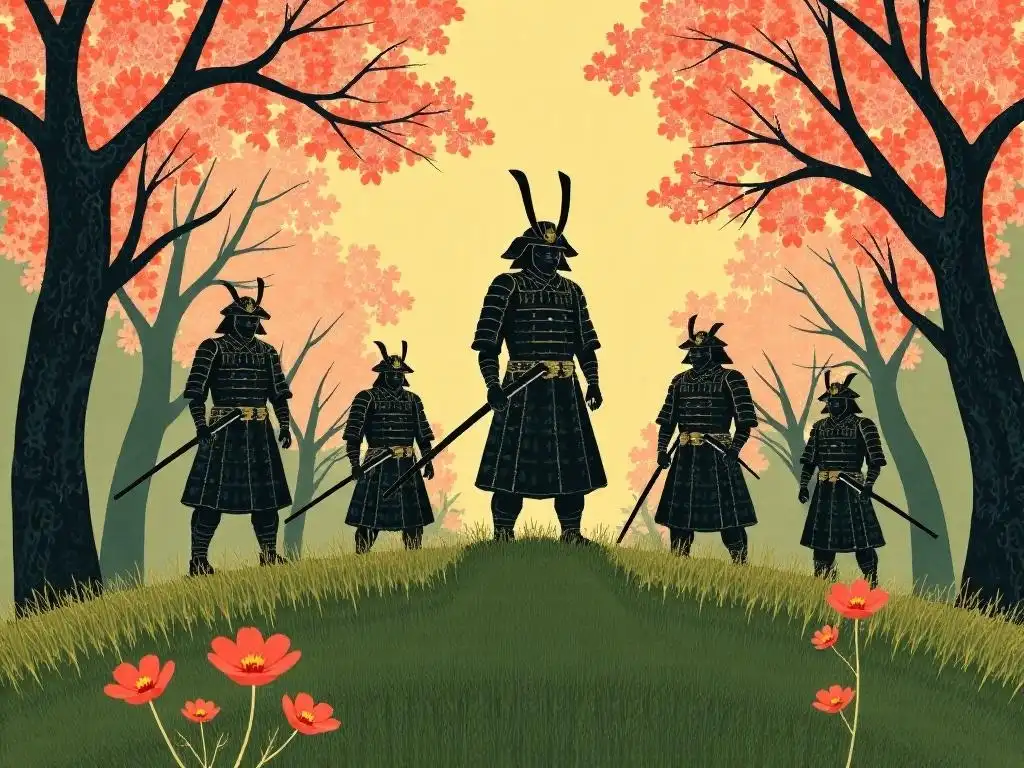
Welcome to Feudal Japan History, where we invite you to embark on a captivating journey through the intricate tapestry of Japan's feudal era. Dive deep into the Samurai’s role in Japan unification, a pivotal theme that shaped the nation’s identity and destiny. Discover how these noble warriors not only wielded their swords on the battlefield but also influenced the very fabric of society, culture, and politics. As you explore our expert-driven articles, you'll uncover the fascinating stories and strategies that led to a unified Japan. Get ready to unlock the secrets of this remarkable period—your adventure begins now!
Introduction to the Samurai's Role in Japan's Unification
The samurai were not merely warriors; they were pivotal agents in the complex tapestry of Japan’s unification during the tumultuous feudal era. Their influence extended far beyond the battlefield, intertwining with the political, social, and cultural threads of Japanese history.
As Japan transitioned from a fragmented collection of warring states into a unified nation, the samurai emerged as key figures, shaping the paths of power and governance. This article delves into the intricate role that samurai played in the unification of Japan, examining their historical context, the political landscape preceding this monumental change, and the significant clans that wielded power during this period.
Defining the Samurai and Their Historical Context
The term "samurai" refers to the elite warrior class that emerged during Japan's feudal period, characterized by their adherence to a strict code of conduct known as Bushido, which emphasized loyalty, honor, and martial prowess. Originating in the late 12th century, the samurai were initially employed as armed retainers to powerful landowners, but their roles evolved significantly over time. By the 16th century, they had become central figures in the political and military landscape of Japan.
Historically, the samurai were not just fighters; they were also administrators and advisors. Their education encompassed not only martial skills but also literature, philosophy, and governance. This multifaceted role positioned them as influential players in the unification process, as they navigated the shifting allegiances and rivalries that marked the era.
Overview of Japan’s Feudal Era and Its Fragmentation
Japan's feudal era, spanning from the late 12th century to the 19th century, was characterized by a decentralization of power and the rise of regional warlords known as daimyōs. The political fragmentation during this period resulted from the decline of imperial authority and the rise of military governance. Each daimyō controlled their own domain, leading to constant warfare and territorial disputes among rival clans.
This fragmentation created a landscape ripe for conflict, as each clan vied for dominance. However, it also set the stage for the eventual unification of Japan, as emerging leaders sought to consolidate power and bring an end to the chaos of the Warring States period.
The Political Landscape Before Unification
The Warring States Period: Chaos and Division
The Warring States period, or Sengoku period (1467-1615), was a time of profound disorder and civil strife in Japan. Characterized by incessant battles among rival daimyōs, this era saw the fragmentation of the country into numerous territories, with each warlord striving for supremacy. The samurai served as the backbone of these military campaigns, and their loyalty to their respective lords often dictated the outcomes of conflicts.
The chaos of the Warring States period not only highlighted the military prowess of the samurai but also illustrated their capacity for strategic alliances. Many samurai forged temporary alliances with other clans, showcasing their adaptability and political acumen. This fluidity in alliances was crucial in shaping the unification process, as it laid the groundwork for eventual consolidation under powerful leaders.
Key Clans and Their Influence on Feudal Japan
Several key clans emerged as influential forces during the Warring States period, each playing a significant role in the unification of Japan. Notable among these were:
- The Tokugawa Clan: Led by Tokugawa Ieyasu, they ultimately succeeded in unifying Japan after the decisive Battle of Sekigahara in 1600. Their establishment of the Tokugawa shogunate marked the beginning of a stable, albeit rigid, feudal system.
- The Oda Clan: Nobunaga Oda initiated the unification process by employing innovative military strategies and forming alliances. His ruthless tactics and mastery of gunpowder warfare were instrumental in his rise to power.
- The Toyotomi Clan: Following Oda's death, Toyotomi Hideyoshi continued the quest for unification, implementing policies that sought to consolidate power and reduce the influence of rival clans.
These clans and their respective samurai warriors not only engaged in warfare but also shaped the socio-political landscape of Japan, forging the path toward unification and laying the foundations for the era that followed.
The Emergence of Key Figures in Japan's Unification
The unification of Japan during the late 16th century was marked by the emergence of several key figures who played pivotal roles in shaping the nation’s future. These leaders, often samurai themselves, utilized their military prowess, strategic acumen, and political savvy to bring together a fractured landscape of warring states. Their combined efforts not only transformed Japan’s political structure but also laid the groundwork for the social and cultural norms that would define the Tokugawa shogunate.
Oda Nobunaga, Toyotomi Hideyoshi, and Tokugawa Ieyasu stand out as monumental figures in this historical narrative. Each contributed unique strategies and ideologies that propelled Japan toward unification, setting a precedent for the samurai class in warfare and governance. Their legacies illustrate the interconnectedness of military strategy, loyalty, and the evolving role of the samurai during this transformative period.
Oda Nobunaga: The Catalyst for Change
Oda Nobunaga emerged as one of the first significant figures in the unification process. Rising to power in the mid-16th century, he is often credited with introducing innovative military tactics that revolutionized warfare in Japan. Nobunaga employed firearms, notably matchlocks, in ways that maximized their effectiveness on the battlefield, demonstrating a shift from traditional samurai combat methods.
His military campaigns were characterized by ruthless efficiency and a strategic approach to both warfare and governance. Nobunaga's ambition was evident in his efforts to dismantle the power of the rival clans and the Buddhist sects that held considerable influence, such as the Ikko-ikki. His aggressive tactics, including the decisive victory at the Battle of Okehazama in 1560, showcased his ability to exploit opportunities and turn the tide in his favor.
Nobunaga’s influence extended beyond the battlefield; he also initiated significant reforms in administration and trade, promoting the growth of commerce and the centralization of power. His eventual downfall did not diminish his role as a catalyst for the unification process; rather, it set the stage for his successors to build upon his achievements.
Toyotomi Hideyoshi: The Unifier’s Strategies
Following Nobunaga’s death, Toyotomi Hideyoshi emerged as a key figure in the continuation of the unification efforts. A former peasant who rose through the ranks of Nobunaga’s army, Hideyoshi was a master strategist and diplomat. He consolidated power through a combination of military might and political maneuvering, employing a series of campaigns that effectively subdued remaining rival clans.
Hideyoshi is known for his innovative strategies, including the establishment of a land survey and tax system to strengthen his financial base. He implemented the sankin-kotai system, which required feudal lords (daimyos) to spend alternating years in the capital, thereby ensuring their loyalty and reducing the potential for rebellion. Furthermore, his famous invasion of Korea in the 1590s, although ultimately unsuccessful, demonstrated his ambitions to expand Japan’s influence beyond its shores.
Hideyoshi’s legacy is not solely in military conquests; he was also pivotal in fostering cultural developments, such as the tea ceremony and Noh theater, which would later flourish under the Tokugawa era. His death in 1598 left a power vacuum that would be contested, leading to the rise of Tokugawa Ieyasu.
Tokugawa Ieyasu: The Final Consolidation of Power
Tokugawa Ieyasu is often regarded as the architect of a lasting peace that followed the tumultuous unification efforts of Nobunaga and Hideyoshi. After his decisive victory at the Battle of Sekigahara in 1600, Ieyasu established the Tokugawa shogunate, which would rule Japan for over two centuries. His leadership marked the end of the Warring States period and the beginning of a new era characterized by relative stability and isolation.
Ieyasu’s strategies included the establishment of a centralized government that curtailed the power of the daimyos, thereby reducing the likelihood of internal conflict. He implemented a strict class hierarchy and a system of control that ensured loyalty among the samurai class. The bushi (warrior) code of bushido, emphasizing loyalty, honor, and discipline, was further codified during this period, solidifying the samurai's role as both military and administrative leaders.
Under Ieyasu’s rule, Japan witnessed significant economic growth and cultural development, as the peace allowed for trade and the arts to flourish. His legacy was one of unification not just of land, but also of the samurai ethos that would endure long after his death.
The Samurai's Influence on Military Strategies
The samurai were not only warriors but also pivotal figures in shaping the military strategies that characterized the unification of Japan. Their unique blend of martial skills, loyalty, and adherence to a strict code of conduct allowed them to play critical roles in various battles and political maneuvers throughout this transformative period.
As the samurai adapted to the changing dynamics of warfare, their influence became evident in both tactics and the broader political landscape of Japan.
The Evolution of Samurai Warfare Tactics
During the unification period, samurai warfare tactics evolved significantly. Initially, battles were marked by traditional techniques such as kubo (cavalry charges) and individual duels. However, as firearms became more prevalent, particularly after the arrival of the Portuguese traders in the mid-1500s, samurai adapted their strategies to incorporate these new technologies.
The introduction of the tanegashima (matchlock gun) revolutionized combat, and samurai leaders began to organize their troops in formations that maximized the effectiveness of gunfire. Notably, Oda Nobunaga's use of firearms during the Battle of Nagashino in 1575 demonstrated the effectiveness of combining traditional samurai tactics with modern weaponry, leading to a decisive victory that altered the course of Japanese warfare.
Moreover, the samurai also began to adopt more strategic approaches to logistics and troop movements, emphasizing the importance of intelligence and terrain in battle. This evolution set the stage for more organized and effective military campaigns throughout the unification efforts.
The Role of Samurai Loyalty and Honor in Battle
The samurai's loyalty and honor were not merely personal virtues; they were integral to the functioning of military strategies during the unification of Japan. The concept of bushido, or the "way of the warrior," emphasized a code of conduct that prioritized loyalty to one's lord above all else. This unwavering commitment had profound implications for warfare and political stability.
In battles, samurai warriors often fought with a sense of duty that transcended individual survival. Their loyalty could inspire entire armies, as troops were more likely to fight valiantly if they believed in the cause and the leadership of their daimyo. The samurai’s sense of honor also dictated their actions on the battlefield, leading to practices such as seppuku (ritual suicide) in cases of defeat or dishonor, which further reinforced the seriousness of their commitment.
This culture of loyalty affected alliances and rivalries among clans, as samurai would often switch allegiances based on the perceived honor and strength of their leaders. The intricate web of loyalty and honor influenced military strategies, ensuring that political and military decisions were often intertwined.
The Impact of Samurai on Political Alliances
The samurai were central to the formation and maintenance of political alliances during Japan's unification. Their roles extended beyond the battlefield, as they often acted as intermediaries between rival clans and negotiated peace treaties. Due to their status and reputation, samurai could broker deals that would have been impossible for common soldiers or non-warrior classes.
These alliances were crucial for consolidating power among the leading figures of the time. For example, Oda Nobunaga’s ability to forge alliances with various daimyos helped him expand his influence across Japan. Similarly, Toyotomi Hideyoshi utilized marriage alliances and strategic partnerships to strengthen his position after Nobunaga's death, facilitating a broader unification effort.
Additionally, the samurai's role in the political landscape extended to their involvement in the governance of newly conquered territories. They were often appointed as local leaders, where they enforced the will of their lords and helped integrate disparate regions into a cohesive political entity. This dual role as both military leaders and local governors allowed the samurai to have a lasting impact on the political framework of unified Japan, establishing a legacy that would endure through the Tokugawa shogunate and beyond.
Cultural Contributions of the Samurai During Unification
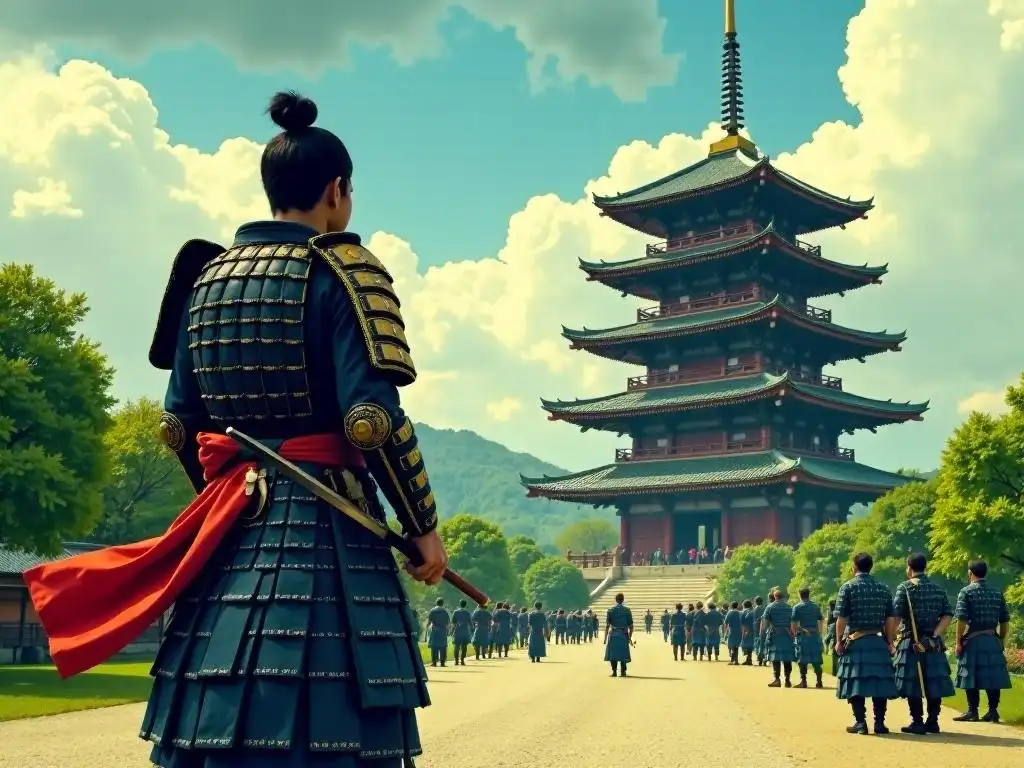
The samurai played a pivotal role not only in the military unification of Japan but also in shaping the cultural landscape of the era. Their influence extended beyond the battlefield, impacting various aspects of Japanese society, arts, and philosophy. As the samurai emerged as a dominant social class, their values and practices began to permeate everyday life, fostering a unique cultural identity.
One of the most significant contributions of the samurai was their adherence to the Bushido code, which emphasized loyalty, honor, and discipline. This ethical framework not only guided their conduct in warfare but also influenced the broader societal norms. The samurai's commitment to honor and duty became a cornerstone of Japanese culture, affecting how individuals approached their responsibilities in both personal and communal contexts.
Additionally, the samurai were patrons of various art forms, including calligraphy, poetry, and painting. Their appreciation for aesthetics encouraged the development of traditional Japanese arts. The tea ceremony, for instance, evolved during this period as a reflection of samurai values such as harmony and respect. This cultural renaissance during the unification period laid the groundwork for the rich artistic heritage that would define Japan in the centuries to come.
The Samurai Code: Bushido and Its Influence
Bushido, meaning "the way of the warrior," was more than just a set of rules; it was a comprehensive moral code that governed the lives of the samurai. This code emphasized virtues such as loyalty, courage, and self-discipline. During the unification of Japan, adherence to Bushido was crucial as it helped unify the samurai class under shared principles, fostering solidarity among various clans and factions.
The influence of Bushido extended beyond the samurai themselves, permeating Japanese society at large. Its principles encouraged a culture of respect and honor that transcended social classes. For instance, the concept of loyalty became a societal expectation, not only among warriors but also among commoners. The impact of Bushido on modern Japanese culture is still evident today, as its values continue to resonate in various aspects of life, including business ethics and interpersonal relationships.
The Samurai's Role in the Arts and Philosophy
The samurai's involvement in the arts was instrumental during the unification period. They were not mere warriors; many samurai were educated individuals who engaged with literature, philosophy, and the visual arts. This engagement fostered a cultural environment that valued intellectual pursuits alongside martial prowess.
Samurai literature, particularly Noh theater and poetry, often reflected the themes of loyalty, honor, and the transient nature of life, which were central to the samurai ethos. The philosophical underpinnings of Zen Buddhism also found a home among the samurai, promoting introspection and a deeper understanding of life and death. This philosophical engagement not only enriched the samurai's personal development but also contributed to a broader cultural discourse that influenced Japanese thought for generations.
Education and Training of Samurai: Shaping Future Leaders
The education and training of samurai were crucial in preparing them for their roles as both warriors and leaders. Training was rigorous, encompassing martial arts, strategy, and the study of classical literature. This comprehensive approach ensured that samurai were well-rounded individuals capable of making important decisions both on and off the battlefield.
Moreover, the samurai were often expected to serve as mentors and leaders within their communities. Their education emphasized the importance of moral integrity and public service, instilling in them a sense of responsibility toward their clans and the people they governed. As the unification of Japan progressed, these educated samurai leaders played a crucial role in establishing stability and order, ultimately contributing to the country's transition into a centralized state.
The Transition from Feudal Warfare to a Unified Japan
The transition from feudal warfare to a unified Japan was a complex process, marked by significant battles, shifting alliances, and the eventual establishment of centralized governance. The samurai were at the forefront of this transformation, navigating the intricacies of warfare while adapting to the changing political landscape.
The unification process was characterized by the decline of the warring states period (Sengoku Jidai), where numerous clans battled for dominance. The samurai's military strategies evolved, emphasizing not just brute force but also tactical innovation and diplomacy. This adaptability was essential in the eventual consolidation of power under a unified leadership.
Key Battles and Their Outcomes
Several key battles were instrumental in the unification of Japan, showcasing the strategic prowess of the samurai. Notably, the Battle of Okehazama in 1560 marked a decisive victory for Oda Nobunaga against a numerically superior force, demonstrating how cunning strategies could overcome sheer numbers. This battle was pivotal in establishing Nobunaga as a major player in the unification efforts.
Another significant engagement was the Battle of Sekigahara in 1600, which solidified Tokugawa Ieyasu's position as the preeminent leader of Japan. The outcome of this battle resulted in the establishment of the Tokugawa Shogunate, which brought about a long period of peace and stability known as the Edo period. These battles not only altered the course of Japanese history but also underscored the samurai's role as both warriors and political actors.
The Establishment of the Tokugawa Shogunate
The establishment of the Tokugawa Shogunate in 1603 marked the culmination of the samurai's efforts in the unification of Japan. Tokugawa Ieyasu's victory at Sekigahara led to the consolidation of power in the hands of the samurai class, effectively ending the era of civil war. This new governance model emphasized a strict social hierarchy and a centralized authority, with the samurai at the top.
Under the Tokugawa regime, Japan experienced relative peace and stability, allowing the samurai to transition from warriors to bureaucrats and landowners. The shogunate implemented policies that promoted agricultural productivity and economic growth, further solidifying the samurai's position in society. This era also saw the flourishing of culture and the arts, as the samurai became patrons of various artistic endeavors, ensuring that their influence endured long after the unification process was complete.
The Lasting Legacy of the Samurai in Japan's Unification
The samurai, as the warrior class of feudal Japan, played a pivotal role in the unification of the country during the late 16th century and beyond. Their influence extended beyond the battlefield, shaping the political, cultural, and social landscapes of Japan. The samurai's commitment to loyalty, honor, and martial skill became the foundational ethos upon which the Tokugawa shogunate established its rule. This legacy is evident in the way samurai values permeate Japanese culture, influencing everything from literature and arts to modern-day perceptions of honor and duty.
The samurai's system of governance, particularly during the warring states period (Sengoku Jidai), contributed significantly to the centralization of power. As regional lords, known as daimyō, consolidated their territories and resources, they relied on samurai warriors to enforce order and loyalty among their vassals. This structure not only facilitated military campaigns but also fostered a sense of national identity that transcended local allegiances. The eventual unification of Japan under Tokugawa Ieyasu in 1603 marked the culmination of centuries of samurai-led efforts, establishing a centralized authority that would influence Japanese governance for over 250 years.
The Samurai’s Role in Modern Japanese Identity
The samurai have become emblematic of Japan's national identity, representing ideals such as discipline, loyalty, and courage. In modern Japan, these traits are celebrated not only in historical narratives but also in contemporary culture, including cinema, literature, and martial arts. The samurai image often serves as a source of inspiration, embodying the spirit of resilience and dedication that resonates with the Japanese people.
Moreover, the samurai's influence extends to modern military practices and the Japanese Self-Defense Forces, where the principles of bushido (the way of the warrior) are reflected in the code of conduct and training. This connection underscores the samurai's role as cultural icons, fostering a sense of pride and continuity in Japanese heritage.
Historical Perspectives on Samurai Influence in Contemporary Japan
From a historical perspective, the samurai's role in shaping Japan’s unification has been pivotal in understanding contemporary social structures and values. Scholars argue that the samurai's emphasis on loyalty and hierarchy laid the groundwork for modern corporate and social relationships in Japan. The reverence for seniority and the collective spirit within organizations can be traced back to the samurai ethos.
Additionally, the romanticized portrayal of samurai in literature and film has created a narrative that appeals to both national pride and international fascination. Movies such as "The Last Samurai" and classic tales like "Romance of the Three Kingdoms" continue to shape perceptions of the samurai, often blending historical fact with mythology. This ongoing narrative reinforces the samurai's integral position not only in Japan's past but also in its cultural identity today.
Conclusion: The Samurai’s Integral Role in Japan’s Unification
The samurai's contributions to Japan's unification cannot be overstated. As the backbone of military power during the Sengoku period, they played a crucial role in the establishment of a centralized government under the Tokugawa shogunate. Their influence extended beyond warfare, permeating the cultural fabric of Japan and leaving a legacy that continues to shape the nation's identity.
Summary of Key Contributions
- Military Leadership: Samurai served as military leaders and loyal warriors, crucial in battles that led to the unification of Japan.
- Political Stability: Their governance strategies facilitated the establishment of centralized power and political stability.
- Cultural Impact: The samurai's values and ethical codes have significantly influenced Japan's cultural narratives and social structures.
Reflection on the Samurai’s Enduring Legacy in Japanese History
The samurai embody a complex legacy that merges martial prowess with a rich cultural heritage. Their contributions to the unification of Japan laid the foundation for a society that values honor, discipline, and loyalty. As Japan continues to navigate modernity, the ideals of the samurai remain relevant, reminding citizens of their storied past and guiding them toward a resilient future. The samurai's enduring legacy serves as a testament to their integral role in shaping not only the history of Japan but also the essence of its national identity.
- Introduction to the Samurai's Role in Japan's Unification
- The Political Landscape Before Unification
- The Emergence of Key Figures in Japan's Unification
- The Samurai's Influence on Military Strategies
- Cultural Contributions of the Samurai During Unification
- The Transition from Feudal Warfare to a Unified Japan
- The Lasting Legacy of the Samurai in Japan's Unification
- Conclusion: The Samurai’s Integral Role in Japan’s Unification
- What was the role of the Samurai in Japan's unification?
- How did the Samurai influence Japanese culture during the unification?
- What were the key battles involving Samurai in the unification process?
- How did the Samurai system contribute to Japan's political structure?
- What legacy did the Samurai leave in modern Japan?
Frequently Asked Questions
What was the role of the Samurai in Japan's unification?
The Samurai played a crucial role in the political and military consolidation of Japan during the feudal era, acting as loyal warriors for their daimyos and contributing to the centralization of power.
How did the Samurai influence Japanese culture during the unification?
The Samurai not only served as warriors but also as cultural leaders, promoting values such as honor, loyalty, and discipline, which became integral to the Japanese identity during and after unification.
What were the key battles involving Samurai in the unification process?
Key battles, such as the Battle of Sekigahara in 1600, were pivotal in establishing the Tokugawa shogunate, where the Samurai’s strategic skills and loyalty significantly influenced the outcome.
How did the Samurai system contribute to Japan's political structure?
The Samurai system created a feudal hierarchy that established loyalty and service as foundational elements, enabling a stable political structure that facilitated unification under a central authority.
What legacy did the Samurai leave in modern Japan?
The Samurai’s emphasis on discipline, courage, and ethics has left a lasting legacy in modern Japan, influencing not only martial arts but also business practices and societal values today.
Final Reflection: The Enduring Legacy of the Samurai in Japan's Unification
The samurai's role in the unification of Japan is not merely a historical footnote but a profound testament to the power of loyalty, discipline, and strategic vision. As we navigate the complexities of modern society, the principles embodied by the samurai continue to resonate, reminding us of the importance of unity in the face of division. The samurai were not just warriors; they were pivotal figures in shaping the very fabric of Japan, and their influence remains relevant in today's world.
The legacy of the samurai extends far beyond their swords and battle tactics; it permeates the cultural and social landscape of Japan. Their commitment to honor and duty has inspired generations, fostering a sense of national identity and cohesion. As we reflect on this historical narrative, we can appreciate how the samurai's ethos has shaped contemporary values. The samurai spirit is not just about fighting; it's about living with integrity and purpose.
This quote encapsulates the essence of what the samurai represent and their lasting impact on Japanese culture.
As we conclude this exploration of the samurai's role in Japan's unification, I invite you to reflect on how these timeless values can be applied in your own life. Consider how the principles of loyalty, discipline, and strategic thinking can guide you in your personal and professional endeavors. Embrace the lessons of the past to foster unity and purpose in your community, ensuring that the spirit of the samurai continues to inspire future generations.
Unveil Your Inner Samurai: Take Action for Japan's Legacy!
Thank you for exploring the fascinating history of the samurai and their vital role in Japan's unification. You've gained insights into an era that shaped an entire nation, showcasing **bravery**, **honor**, and **strategic prowess**. Now, it's time to take the lessons of the samurai into your own life!
Here are a few steps you can take to dive deeper into this captivating legacy:
- Embrace the Way of the Samurai: Start learning about **bushido**, the samurai code of ethics, and see how it can inspire your daily decisions and interactions.
- Dive into Further Research: Explore books or documentaries on samurai history to expand your knowledge and appreciation for this unique culture.
- Share Your Thoughts: Engage with fellow history enthusiasts! Join forums or social media groups focused on feudal Japan, and share your insights or discuss what you've learned.
What aspect of samurai history captivates you the most, and how do you envision applying those timeless principles in your own life?