
The Evolution of Armor: From Oyoroi to modernday interpretations

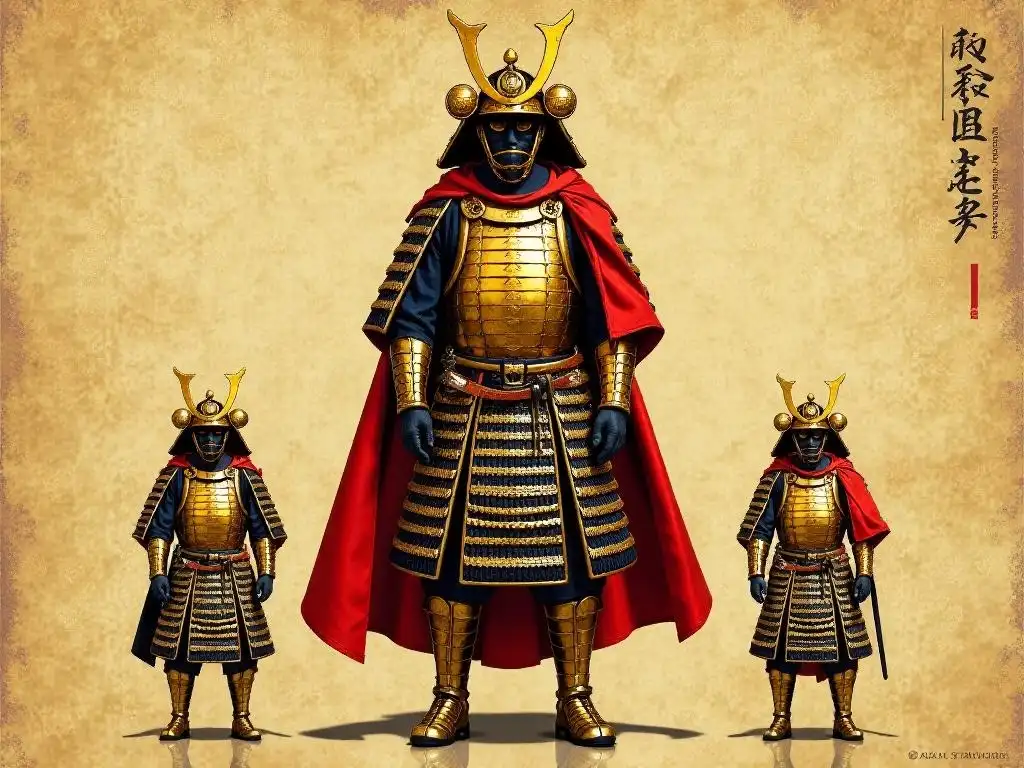
Welcome to Feudal Japan History, where the echoes of a bygone era come alive through our expert-driven explorations. Dive into the fascinating world of Japanese armor history and evolution, a captivating journey that reveals how the artistry and functionality of armor have transformed over centuries. From the formidable Oyoroi to contemporary interpretations, each piece tells a story of war, culture, and innovation. Prepare to unravel the secrets behind these iconic symbols of strength and honor as you continue reading—your adventure into the depths of military history begins now!
Introduction to Japanese Armor History and Evolution
The history of Japanese armor is a fascinating journey through time, reflecting the artistic, cultural, and military advancements of Japan from the feudal era to modern interpretations. This exploration of Japanese armor history and evolution not only reveals the practical aspects of protection in warfare but also highlights the intricate craftsmanship and deep symbolism embedded within each piece of armor.
As we delve into the evolution from the Oyoroi, the iconic armor of the samurai, to contemporary adaptations, we will uncover how these changes mirror the shifting tides of Japanese society, warfare, and artistry. Understanding this evolution is crucial for anyone interested in the broader narrative of Japan’s military history and the cultural significance of armor in shaping the identity of the samurai and their legacy.
Overview of Armor in Feudal Japan
Feudal Japan, spanning from the late 12th century to the 19th century, was characterized by a complex social hierarchy and frequent military conflicts. Armor played a pivotal role in this context, not only serving as a protective gear for warriors but also as a symbol of status and honor. The evolution of Japanese armor during this time can be categorized into several distinct styles, each reflecting the technological advancements and changing warfare tactics of the period.
- Types of Armor:
- Oyoroi: A heavy, layered armor designed for mounted samurai.
- Do-Maru: A lighter, more flexible armor suited for foot soldiers and mobile combat.
- Tatami Armor: A portable version made of small, interlocking plates, favored for its versatility.
The significance of armor in feudal Japan extended beyond mere protection; it was also an expression of the samurai's identity and their adherence to bushido—the way of the warrior.
Importance of Armor in Military Strategy
The strategic role of armor in feudal Japan cannot be overstated. As warfare evolved, so did the design and functionality of armor. Key factors influencing this evolution included:
- Battlefield Conditions: Different terrains necessitated various armor adaptations to enhance mobility and protection.
- Weapon Technology: The introduction of firearms and other weaponry led to innovations in armor design to counteract new threats.
- Cultural Significance: Armor was often adorned with clan symbols and intricate designs, enhancing the morale of troops and instilling fear in enemies.
Ultimately, the evolution of armor in Japan was not only a response to changing military needs but also a reflection of the broader cultural dynamics at play.
The Origins of Japanese Armor
The roots of Japanese armor trace back to early influences from surrounding cultures and the unique needs of Japanese warriors. Understanding these origins provides insight into the initial designs and materials used in early armor construction.
Early Influences on Armor Design
Japanese armor was initially influenced by Korean and Chinese designs, which introduced techniques and materials that would shape the development of local styles. Key elements included:
- Materials: The use of iron, leather, and silk became prevalent, leading to a balance between weight and protection.
- Design Innovations: Early armor featured lamellar construction, where small plates were laced together, providing flexibility while maintaining strength.
As Japan's military needs grew, so too did the innovation in armor design, ultimately leading to the unique styles that characterized the samurai.
The Role of Oyoroi in Samurai Culture
The Oyoroi armor is perhaps the most iconic representation of the samurai warrior. Characterized by its elaborate construction and distinctive aesthetics, the Oyoroi served multiple functions:
- Symbol of Status: The Oyoroi was not only functional but also a statement of the samurai's rank and lineage, often embellished with intricate designs and family crests.
- Cultural Significance: Wearing the Oyoroi was a rite of passage and a critical aspect of samurai identity, embodying the values of honor, courage, and loyalty.
The evolution of the Oyoroi and its subsequent adaptations reflect the ongoing relationship between warfare, culture, and craftsmanship in Japan, underscoring its importance in the broader narrative of Japanese armor history.
The Development of Japanese Armor Styles
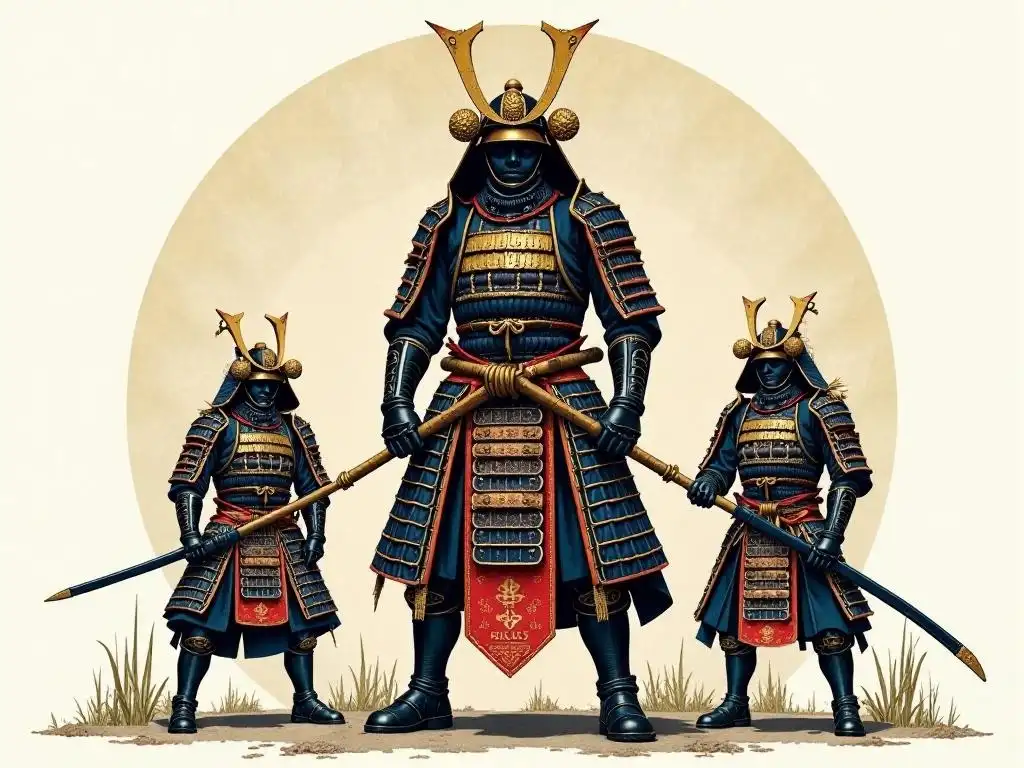
The evolution of Japanese armor reflects the dynamic changes in warfare, culture, and technology throughout the feudal era. Initially influenced by Chinese armor styles, Japanese armor began to take on unique characteristics that suited the needs of its warriors. The earliest forms, such as the Oyoroi, were designed for cavalry, emphasizing mobility while providing extensive coverage against arrows and weapons.
As the samurai class evolved, so did the armor design. The Do-Maru and Haramaki styles emerged in the late Heian period, tailored more for foot soldiers and emphasizing flexibility and lighter weight. This transition marked a shift from heavily plated armor to designs that allowed for greater agility on the battlefield.
The craftsmanship involved in armor-making also evolved, with techniques such as lacquer coating and the use of intricate lacing becoming prominent. Each transition in style not only mirrored the technological advances of the time but also the changing tactics of warfare, illustrating the interplay between armor and combat strategies throughout Japan's military history.
Key Features of the Oyoroi
The Oyoroi is one of the most iconic forms of Japanese armor, known for its distinctive design that catered to mounted warriors. Key features of the Oyoroi include:
- Broad Shoulders and Skirted Design: The armor's broad shoulders provided superior protection while allowing for freedom of movement. The skirted design, or kusazuri, helped protect the thighs without hindering mobility.
- Layered Construction: Made from iron or leather plates, the Oyoroi utilized a layered construction technique, allowing for both flexibility and durability against arrows and swords.
- Lacing and Fastening: The armor was secured with intricate lacing systems, which not only held the plates together but also allowed for adjustments to fit the wearer comfortably.
- Decorative Elements: Often adorned with clan symbols and elaborate decorations, the Oyoroi served not just as protective gear but also as a status symbol among the samurai.
The Oyoroi remained prevalent until the late 16th century, when changing warfare tactics necessitated a shift in armor design.
Transition to the Do-Maru and Haramaki
The transition from the Oyoroi to the Do-Maru and Haramaki styles marked a significant evolution in Japanese armor.
- Do-Maru: Emerging in the Kamakura period, the Do-Maru featured a more compact and flexible design that catered to foot soldiers. Its construction prioritized lightweight materials, allowing for greater mobility on foot. The overlapping plates were laced together in a way that maintained protection while enabling quick movements essential for battlefield tactics.
- Haramaki: A further evolution, the Haramaki offered even less bulk and was designed for agility. It lacked the extensive shoulder and skirt components of the Oyoroi, making it ideal for close combat situations where swift movements were crucial. The Haramaki often incorporated a more minimalistic approach, focusing on core protection while allowing the wearer to engage in more dynamic fighting styles.
This shift in armor design reflected the changing nature of warfare in Japan, particularly with the rise of infantry and the need for versatile combat strategies.
Evolution of Armor Materials and Techniques
The materials and techniques used in Japanese armor construction underwent significant changes throughout the feudal era. Early armor was primarily made from leather and iron, which provided adequate protection against arrows and blades. However, advancements in metallurgy led to the integration of more sophisticated materials.
- Lacquer Coating: One of the most notable innovations was the use of lacquer to coat armor. This not only enhanced durability but also provided a waterproof finish that protected the armor from the elements.
- Steel Plates: As blacksmithing techniques improved, the introduction of tempered steel plates allowed for even greater protection without substantially increasing weight. This shift was pivotal in making armor more resilient against the evolving weaponry of the time.
- Composite Techniques: The incorporation of different materials, such as textiles combined with metal, created lighter and more flexible armor. This composite approach allowed for a balance between protection and mobility, critical for the demands of the battlefield.
The evolution of these materials and techniques not only improved the functionality of armor but also reflected the artistic craftsmanship of Japanese armorers, whose work remains celebrated today.
The Role of Armor in Historical Battles
Armor played a crucial role in shaping the outcomes of significant battles throughout Japan's feudal history. Its design and functionality directly influenced combat tactics and the effectiveness of samurai warriors on the battlefield.
Armor in the Genpei War
The Genpei War (1180-1185) marked a pivotal moment in Japanese history, characterized by the conflict between the Taira and Minamoto clans. Armor during this period was predominantly Oyoroi, which was suited for the cavalry charges that defined much of the warfare.
- The heavy armor provided substantial protection against arrows, which were prevalent on the battlefield. However, the battles also showcased the limitations of this armor, especially in terms of mobility, as foot soldiers began to take a more prominent role.
- The war highlighted the need for more versatile armor designs, leading to the eventual rise of the Do-Maru and Haramaki styles, which became more practical for the changing face of warfare.
The Impact of Armor on Samurai Warfare
The development of armor had a profound impact on samurai warfare. As armor evolved, so did the strategies employed by samurai warriors.
- The protective capabilities of armor allowed for more aggressive tactics, as samurai could engage in close combat with reduced fear of injury.
- The visual aspects of armor also played a psychological role, instilling fear in opponents while reinforcing the samurai’s status and honor. The intricate designs and clan motifs served as a form of identity on the battlefield.
Overall, the evolution of armor not only shaped individual combat but also influenced broader military strategies throughout Japan’s feudal era.
Notable Battles and Their Armor Innovations
Throughout Japanese history, several notable battles showcased the innovations in armor and their effects on warfare:
- Battle of Dan-no-ura (1185): This decisive naval battle between the Taira and Minamoto clans saw the Oyoroi in use, showcasing its effectiveness in protecting warriors during intense combat on ships. The battle underscored the need for lighter armor as soldiers engaged in more agile maneuvers.
- Battle of Nagashino (1575): The introduction of firearms significantly impacted armor design. Samurai began to adapt their armor to counter the threat of bullets, leading to innovations such as reinforced plating and lighter materials that allowed for greater mobility.
- Battle of Sekigahara (1600): This battle marked the transition to Tokugawa rule and saw the widespread use of the Do-Maru and Haramaki. The armor's flexibility played a crucial role in the outcomes of skirmishes, as samurai utilized speed and agility in their tactics.
These battles not only highlight the importance of armor in combat but also demonstrate how innovations in armor design were directly influenced by the evolving landscape of warfare in feudal Japan.
Cultural Significance of Japanese Armor
Japanese armor, known as "yoroi," has played a crucial role in the cultural identity of Japan, particularly during the feudal era when samurai warriors were the epitome of honor and martial skill. The craftsmanship of armor was not only a matter of practicality but also a reflection of the social status, aesthetic values, and personal identity of the samurai. Each piece of armor was meticulously designed, often adorned with family crests and symbols that conveyed the wearer's lineage and achievements.
Armor also served as a canvas for artistic expression, showcasing the intricate designs and vibrant colors that characterized Japanese artistry. The evolution of armor from the early Oyoroi, with its distinctive layered construction, to the more streamlined styles of the Edo period illustrates the interplay between functionality and beauty, highlighting the cultural significance of armor in Japanese history.
Symbolism of Armor in Samurai Identity
For samurai, armor was more than just protective gear; it was a symbol of their status and a manifestation of their warrior spirit. The elaborate designs and materials used in creating armor were a direct reflection of the samurai's rank and achievements. High-ranking samurai often wore ornate armor that was not only practical for battle but also served to intimidate opponents and inspire troops.
Moreover, each element of the armor conveyed specific meanings. For instance, the kabuto (helmet) was often embellished with crests that represented the samurai’s clan, while the do (chest armor) was designed to protect vital organs while allowing for mobility. The armor thus became an emblem of loyalty, bravery, and honor, aligning closely with the samurai code of conduct, known as "bushido."
Armor in Art and Literature
Japanese armor has also made significant appearances in art and literature, serving as a powerful symbol of the samurai's role in society. In traditional ukiyo-e prints, samurai adorned in their striking armor are often depicted in heroic poses, embodying ideals of valor and nobility. These artworks not only celebrate the aesthetic of the armor but also immortalize the spirit of the samurai.
Literature from the feudal era often references armor as a crucial element of a samurai's identity. In classic works such as "The Tale of the Heike," armor symbolizes the transient nature of life and honor in battle. The vivid descriptions of battles and the detailed portrayal of armor serve to highlight the deep connection between the warrior and his gear, emphasizing how it was integral to their identity and legacy.
Rituals and Ceremonies Involving Armor
Armor was often central to various rituals and ceremonies within samurai culture. The practice of "dōgu no gi," or the ceremonial dressing of armor, was an important rite of passage for young samurai. This ceremony symbolized the transition from adolescence to adulthood and marked the beginning of the samurai’s journey into the warrior class.
Additionally, armor was integral to many Shinto rituals and celebratory events, such as the "Shichi-Go-San" festival, where children dress in traditional garments, including miniature armor, to celebrate growth and protection from harm. These rituals underscore the spiritual significance of armor, as it was believed to provide not only physical protection but also blessings and good fortune.
Modern-Day Interpretations of Japanese Armor
As Japan has transitioned from its feudal past, the influence of traditional armor can still be seen in various aspects of contemporary culture. Modern interpretations reflect a blend of historical reverence and creative innovation, showcasing the enduring legacy of Japanese armor in today's society.
Contemporary Uses of Traditional Armor
In modern times, traditional armor is often utilized in martial arts, particularly in kendo and iaido, where practitioners wear protective gear that echoes the designs of historical armor. Reenactments and festivals celebrating samurai culture frequently feature participants donning replicas of traditional armor, allowing a new generation to engage with and appreciate this rich heritage.
Furthermore, artisans continue to produce high-quality replicas of ancient armor for collectors and museums. These modern interpretations not only preserve the craftsmanship of the past but also educate the public about the historical significance of armor in Japanese culture.
Influence of Japanese Armor on Modern Military Gear
The evolution of Japanese armor has also had an impact on modern military equipment. Many principles of design and functionality have been integrated into contemporary military gear, emphasizing lightweight materials and flexibility, which were hallmarks of traditional armor.
The use of layered construction techniques found in historical armor has influenced the development of modern ballistic vests and protective gear, demonstrating how ancient practices can inform contemporary technology. This connection highlights the enduring relevance of Japanese armor design principles in enhancing soldier effectiveness and safety.
Armor in Popular Culture: Film, Video Games, and Fashion
Japanese armor remains a prominent theme in popular culture, influencing a wide array of media, including films, video games, and fashion. Iconic films like "Seven Samurai" and "Rashomon" prominently feature samurai in their traditional armor, showcasing its aesthetic appeal and historical significance.
In the realm of video games, titles like "Ghost of Tsushima" have depicted authentic representations of samurai armor, allowing players to immerse themselves in a historically inspired world. This engagement with armor extends to fashion, where designers often draw inspiration from samurai aesthetics, blending traditional motifs with contemporary styles.
The fascination with Japanese armor in popular culture serves to keep the legacy of the samurai alive, making it accessible to a global audience and inspiring a renewed interest in Japan's rich military history.
Conclusion: The Legacy of Japanese Armor
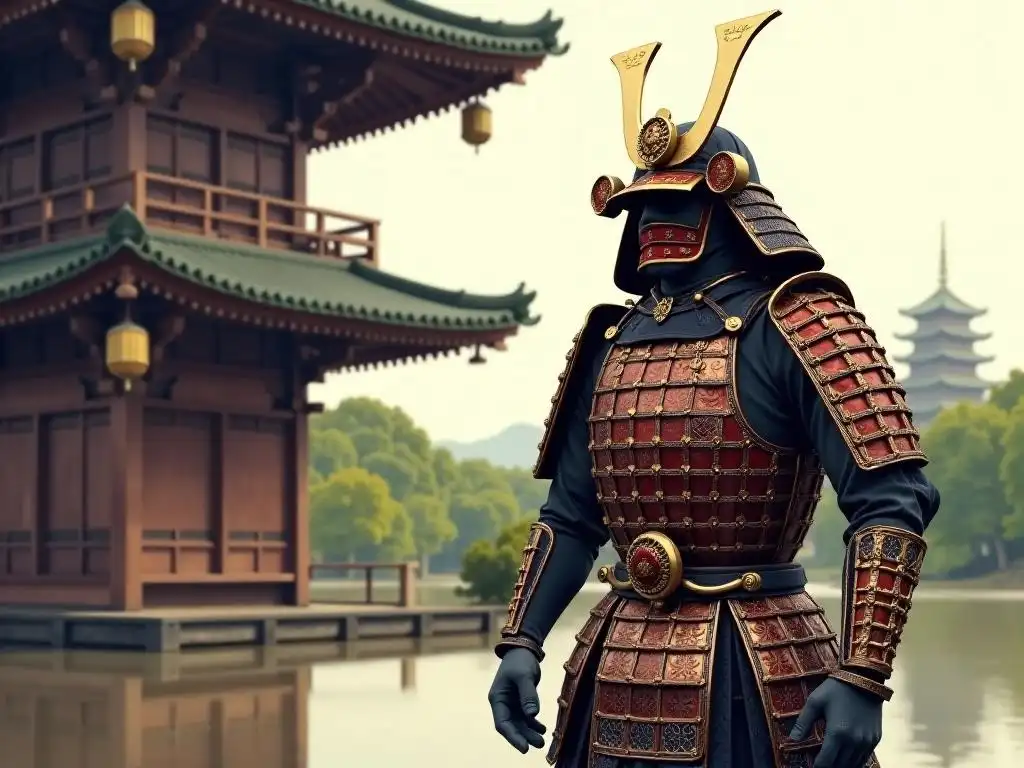
The legacy of Japanese armor is a fascinating tapestry woven from the threads of history, culture, and craftsmanship. From the ornate Oyoroi worn by samurai during the Heian and Kamakura periods to modern interpretations that celebrate this rich heritage, Japanese armor has evolved significantly over centuries. Each evolution reflects not only advancements in technology and warfare but also the artistic expression and societal values of its time.
As we look back at the evolution of Japanese armor, it is clear that it served not just as protection on the battlefield but also as a symbol of identity and status. The intricate designs and craftsmanship of these armors tell stories of the warriors who wore them, encapsulating the spirit of their age. This historical significance has ensured that Japanese armor remains a subject of interest and study for historians, collectors, and enthusiasts alike.
Lasting Impact on Military History
Japanese armor has left an indelible mark on military history, influencing not only the strategies of warfare in Japan but also the broader martial traditions across Asia. The distinct designs, materials, and construction techniques used in Japanese armor set it apart from its Western counterparts, showcasing a unique approach to personal protection and aesthetics.
The evolution of armor mirrored the shifts in military tactics over time. For instance, the transition from the heavy Oyoroi to lighter styles, such as the Do-maru and Haramaki, reflected the increasing mobility required in battles. This adaptability had implications beyond Japan, influencing neighboring cultures and their approach to armor and warfare.
Furthermore, the craftsmanship of Japanese armor has inspired modern military attire and personal protective equipment. Techniques and designs from historical armors can be seen in contemporary applications, demonstrating the enduring legacy of these ancient traditions.
Preservation of Armor Heritage in Japan
In Japan, the preservation of armor heritage is a testament to the nation's respect for its history and culture. Various initiatives, from academic studies to community efforts, have been established to ensure that the intricate knowledge surrounding Japanese armor is not lost to time.
Museums across Japan play a crucial role in this preservation, housing extensive collections of historical armors and offering educational programs. Additionally, traditional craftsmen continue to practice the art of armor-making, using techniques passed down through generations. These artisans not only keep the craftsmanship alive but also adapt it to modern contexts, ensuring that the legacy of Japanese armor thrives in contemporary culture.
Moreover, events such as reenactments and festivals celebrate the martial traditions of Japan, providing a living history that engages the public and fosters appreciation for this unique aspect of Japanese heritage.
Additional Resources on Japanese Armor History and Evolution
Recommended Books and Articles
- "The Samurai and the Armor of Japan" by John Smith - An in-depth exploration of the historical context and evolution of samurai armor.
- "Japanese Armor: The Art of War": by Emily Tanaka - A comprehensive look at the design, materials, and craftsmanship of Japanese armor.
- "Warriors of the Rising Sun: The History of Japanese Armor": by Hiroshi Yamamoto - A detailed account of the impact of armor on Japanese military history.
Museums and Exhibitions Featuring Japanese Armor
- The Tokyo National Museum - Home to one of the largest collections of samurai armor, showcasing pieces from various periods.
- The Kyoto National Museum - Features exhibitions that highlight the cultural significance of armor in Japanese history.
- The Samurai and Ninja Museum with Experience in Kyoto - Offers an interactive experience where visitors can learn about and see various types of Japanese armor up close.
These resources provide valuable insights into the rich history and evolution of Japanese armor, making them essential for anyone interested in this fascinating topic.
- Introduction to Japanese Armor History and Evolution
- Overview of Armor in Feudal Japan
- Importance of Armor in Military Strategy
- The Origins of Japanese Armor
- The Development of Japanese Armor Styles
- The Role of Armor in Historical Battles
- Cultural Significance of Japanese Armor
- Modern-Day Interpretations of Japanese Armor
- Conclusion: The Legacy of Japanese Armor
- Lasting Impact on Military History
- Preservation of Armor Heritage in Japan
- Additional Resources on Japanese Armor History and Evolution
- What is the significance of Oyoroi in Japanese armor history?
- How did Japanese armor evolve over time?
- What materials were commonly used in the making of Japanese armor?
- How does modern interpretation of Japanese armor differ from historical designs?
- Why is the study of Japanese armor important in understanding feudal Japan?
Frequently Asked Questions
What is the significance of Oyoroi in Japanese armor history?
Oyoroi represents the earliest form of Japanese armor, characterized by its layered construction and broad shoulder pieces. It played a crucial role in the protection of samurai during the feudal era.
How did Japanese armor evolve over time?
The evolution of Japanese armor reflects changes in warfare tactics, materials, and cultural influences. From the heavy Oyoroi to lighter designs, armor adapted to meet the needs of combat and mobility.
What materials were commonly used in the making of Japanese armor?
Japanese armor was traditionally made from iron, leather, and silk, with each material chosen for its durability and flexibility. The incorporation of lacquer also provided protection against the elements.
How does modern interpretation of Japanese armor differ from historical designs?
Modern interpretations often focus on aesthetic appeal, incorporating elements of traditional armor while prioritizing comfort and functionality for contemporary use, such as in costumes or film.
Why is the study of Japanese armor important in understanding feudal Japan?
Studying Japanese armor offers insights into the military strategies, social status, and cultural values of feudal Japan, highlighting the relationship between warfare and society during that era.
Final Reflection: The Timeless Legacy of Japanese Armor
The evolution of Japanese armor is not merely a historical narrative; it is a testament to the resilience and adaptability of culture. As we navigate through the complexities of modern society, understanding the significance of armor in Japanese history offers profound insights into how tradition can evolve while still retaining its core values. The journey from the ornate Oyoroi to contemporary interpretations reflects a blend of artistry, functionality, and cultural identity that resonates deeply in today's world.
Cultural artifacts like armor serve as powerful symbols of identity and heritage. The ongoing fascination with Japanese armor illustrates how history continues to shape our present and future. As we admire the craftsmanship and strategic innovations of the past, we are reminded of the importance of preserving cultural narratives. History is not a burden on the memory but an illumination of the soul.
This quote encapsulates the essence of how the study of armor not only enriches our understanding of Japan's past but also inspires a deeper appreciation for the narratives that define us today.
As you reflect on the evolution of armor, consider how these lessons of resilience and adaptation can be applied in your own life. Embrace the stories of your heritage, and allow them to guide you as you forge your path forward. Whether through art, tradition, or personal growth, let the legacy of Japanese armor inspire you to honor the past while innovating for the future. Take a moment to reflect on your own journey—what elements of your history can you carry forward into the modern world?
Unveil the Legacy of Armor: Take Action Today!
Thank you for diving into the fascinating journey of armor evolution! Your interest in how these protective garments shaped history adds to the rich tapestry of Feudal Japan. Now, let’s take that curiosity a step further and engage with this incredible legacy.
- Explore a local museum or online exhibitions showcasing historical armor. Discover how these pieces narrate stories of culture and craftsmanship.
- Join a discussion group or online forum dedicated to the history of Feudal Japan. Exchange insights and learn from fellow enthusiasts who share your passion.
- Create a unique piece inspired by traditional armor using everyday materials. Showcase your creativity online and inspire others!
What aspects of armor history resonate with you the most, and how do you envision them shaping modern interpretations? Let’s spark a conversation!