
The Battle of Hakodate: The Last Stand of the Tokugawa Shogunate

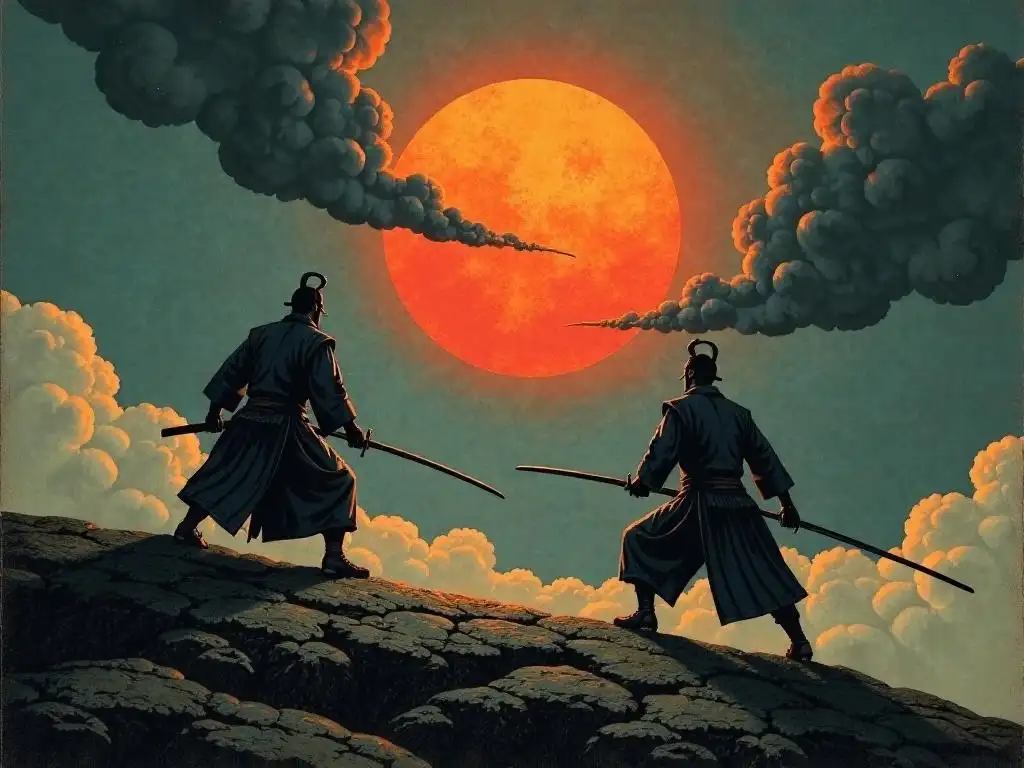
Welcome to Feudal Japan History, where we embark on a captivating journey through the intricate tapestry of Japan’s feudal era. Here, we delve deep into the historical, cultural, and societal aspects that shaped this fascinating period. In our featured article, "The Battle of Hakodate: The Last Stand of the Tokugawa Shogunate," we unravel the dramatic events that marked the twilight of the Tokugawa dynasty.
What led to this pivotal clash, and how did it alter the course of Japan's future? Join us as we explore the echoes of a bygone era and discover the stories that still resonate today. Your adventure into the heart of feudal Japan begins now!
Introduction to the Last Stand of the Tokugawa Shogunate
The Battle of Hakodate, fought between 1868 and 1869, marks a significant turning point in Japan's tumultuous transition from feudalism to modernity. As the last major conflict of the Tokugawa Shogunate, this battle not only symbolizes the end of an era but also the fierce struggle for power amidst a rapidly changing societal landscape.
The clash at Hakodate represents the culmination of both political and military efforts by the shogunate to maintain its grip on power against the forces of the Imperial government, who sought to restore the emperor to a position of authority. This article delves deeply into the battle's historical, cultural, and societal implications, shedding light on the factors that led to this last stand and its aftermath.
Overview of the Tokugawa Shogunate
The Tokugawa Shogunate, established in 1603, was a feudal regime that brought about an unprecedented period of peace and stability known as the Edo period. This era was characterized by:
- Centralized Power: The shogunate exerted control over regional daimyos (feudal lords), ensuring loyalty through a system of hostages and marriages.
- Cultural Flourishing: The isolationist policy of sakoku limited foreign influence, allowing Japanese culture, arts, and commerce to thrive.
- Social Hierarchy: Society was rigidly stratified into classes, with samurai at the top, followed by farmers, artisans, and merchants.
Despite its successes, the Tokugawa Shogunate faced mounting challenges by the mid-19th century, including economic strife, social unrest, and foreign pressures, all of which would set the stage for its eventual downfall.
Historical Context Leading to the Battle of Hakodate
The seeds of the Battle of Hakodate were sown in a period of discontent and unrest. The arrival of Commodore Matthew Perry in 1853 and the subsequent signing of the Treaty of Kanagawa in 1854 marked the beginning of Japan's forced engagement with the West. This led to:
- Internal Discontent: The shogunate's inability to effectively manage foreign relations and economic reforms fueled dissatisfaction among the samurai and the populace.
- Rise of the Imperial Faction: Groups advocating for the restoration of imperial rule, such as the Satsuma and Choshu clans, gained momentum, challenging the legitimacy of the Tokugawa authority.
- Boshin War: The onset of the Boshin War in 1868, a civil war between the shogunate forces and imperial loyalists, further intensified the conflict leading up to the critical showdown at Hakodate.
The Prelude to the Battle
Key Events Leading Up to the Last Stand
As the Boshin War progressed, several key events precipitated the confrontation at Hakodate:
- Fall of Edo: The capital of the Tokugawa Shogunate fell to imperial forces in 1868, diminishing the shogunate's military and political power.
- Formation of the Northern Alliance: Loyalist samurai rallied around the shogunate in northern Japan, forming the last bastion of resistance against the advancing imperial army.
- Mobilization at Hakodate: In late 1868, the remnants of the Tokugawa military consolidated their forces in Hakodate, preparing for an inevitable confrontation that would determine the fate of the shogunate.
Major Players and Factions Involved
The Battle of Hakodate featured prominent figures and factions whose actions and decisions shaped the course of the conflict:
- Tokugawa Loyalists: Led by figures such as Katsu Kaishu, the loyalist forces aimed to defend the shogunate's legacy and resist imperial advances.
- Imperial Forces: Commanded by Yamagata Aritomo and Saigo Takamori, these troops represented the new government’s resolve to eliminate the remnants of Tokugawa rule.
- Foreign Influences: The presence of Western advisors and technology also played a crucial role, as both sides sought to modernize their military strategies and equipment.
The Battle of Hakodate stands as a poignant reminder of the fierce struggle for power, identity, and the future of Japan during a time of profound transformation. As we delve deeper into the events that unfolded during this critical period, we will uncover the strategic maneuvers, personal stories, and lasting impact of this final stand against the forces of change.
The Battle of Hakodate: An Overview

The Battle of Hakodate, fought between 1868 and 1869, marked the final confrontation of the Tokugawa Shogunate in Japan's tumultuous transition from feudal rule to a modern state. This battle was part of the larger Boshin War, which pitted the ruling Tokugawa regime against the imperial loyalists seeking to restore power to the emperor. The conflict at Hakodate symbolized the end of an era, as it highlighted the stark divisions within Japan during this period of upheaval and transformation.
The struggle culminated in a siege that lasted several months, during which the Tokugawa loyalists, known as the Ezo Republic forces, attempted to maintain their last stronghold against the advancing imperial troops. The eventual defeat of the Tokugawa forces at Hakodate not only solidified the Meiji Restoration but also set the stage for the rapid modernization of Japan that followed.
Date and Location of the Battle
The Battle of Hakodate commenced on January 24, 1869, and continued until June 27 of the same year. The battle took place in Hakodate, a strategic port city located on the southern tip of Hokkaido. This location was critical as it served as a gateway for maritime trade and military movements. Additionally, the geography of Hakodate, with its natural harbor and surrounding mountainous terrain, provided both defensive advantages and challenges for the forces engaged in the conflict.
Significance of the Battle in Japanese History
The significance of the Battle of Hakodate extends beyond its immediate military outcomes. It represented the last organized effort by the Tokugawa Shogunate to reclaim power and resist the rise of imperial authority. The battle's conclusion marked the definitive end of the feudal system that had dominated Japan for centuries, paving the way for the Meiji Restoration and the subsequent modernization of the country.
Moreover, the legacy of the battle continues to influence Japanese historical discourse, symbolizing the themes of loyalty, sacrifice, and the inevitable march of progress. The fall of Hakodate also served as a poignant reminder of the shifting tides in Japanese society, where traditional samurai values clashed with the burgeoning ideas of nationalism and modernization.
Strategic Importance of Hakodate
Hakodate's strategic importance during this period cannot be overstated. Its geographic location and resources made it a pivotal site for military operations and a base for the Tokugawa's last efforts to maintain control in a rapidly changing political landscape. The ability to control Hakodate meant access to maritime routes and the potential to reinforce military positions along the northern frontiers of Japan.
Geographic Advantages of Hakodate
Hakodate's geography provided several advantages to the Tokugawa forces. The natural harbor facilitated the docking of ships, allowing for the transport of troops and supplies. The surrounding hills offered a vantage point for defensive positions, making it difficult for attackers to launch direct assaults. Additionally, the city's location allowed for communication and coordination with other Tokugawa loyalist factions in Hokkaido, enhancing the overall military strategy.
Military Strategy of the Tokugawa Forces
The military strategy employed by the Tokugawa forces at Hakodate involved a combination of defensive tactics and guerilla warfare. Recognizing their numerical disadvantage against the imperial forces, the Tokugawa commanders fortified their positions and utilized the rugged terrain to their benefit. They employed snipers and small units to conduct ambushes, disrupting the supply lines of the advancing imperial army.
Despite their strategic planning, the Tokugawa forces faced significant challenges. The lack of modern artillery and resources, coupled with rising morale among the imperial troops, ultimately led to their downfall. The resilience shown by the Tokugawa defenders, however, is often remembered as a testament to their commitment to their ideals and the samurai code, even in the face of inevitable defeat.
The Course of the Battle
The Battle of Hakodate, fought from 1868 to 1869, marked the final conflict of the Boshin War, which itself was a civil war between the forces loyal to the Tokugawa Shogunate and those advocating for the imperial restoration. This battle was characterized by a series of intense engagements and strategic maneuvers as both sides sought to gain control over the strategic Hakodate area on the northern island of Hokkaido.
Initial Engagements and Tactics Used
The initial encounters of the Battle of Hakodate began with the forces of the Tokugawa Shogunate, known as the Shinsengumi, launching a defensive campaign to protect their stronghold. Utilizing the geographical advantages of the region, they fortified Hakodate, creating a series of entrenched positions. The shogunate's forces relied heavily on traditional samurai combat techniques and utilized artillery to defend against the advancing imperial troops.
On the opposing side, the imperial forces, composed primarily of former samurai and modernized military units, employed more contemporary tactics. They utilized rapid maneuvers and coordinated assaults, with a focus on integrating Western military strategies. This divergence in tactics highlighted the evolving nature of warfare during this period in Japan, showcasing the clash between old and new military ideologies.
Turning Points in the Battle
Several key moments defined the course of the Battle of Hakodate. One significant turning point occurred during the imperial forces' siege of the shogunate's defenses. The imperial army's ability to cut off supply lines and encircle Hakodate proved detrimental to the Tokugawa troops. The decisive moment came with the fall of Fort Goryōkaku, a critical stronghold for the shogunate, which was captured by imperial forces after a protracted assault.
Additionally, the use of naval power played a crucial role. The imperial navy's blockade restricted the shogunate's reinforcements and supplies, effectively crippling their ability to sustain the defense. As morale waned among Tokugawa troops and the imperial forces gained momentum, it became increasingly clear that the Tokugawa Shogunate's position was untenable.
Key Figures in the Battle of Hakodate
The Battle of Hakodate was marked by several notable figures who played pivotal roles in the conflict.
- Katsu Kaishu: A prominent naval officer and commander of the Tokugawa forces, he was instrumental in organizing the defense of Hakodate. His efforts to negotiate and secure alliances were critical, although ultimately fruitless in the face of overwhelming imperial forces.
- Saigō Takamori: A key leader of the imperial forces, his strategic leadership was vital in the successful siege of Hakodate. Saigō's military acumen and ability to rally troops significantly contributed to the imperial victory.
- Tōgō Heihachirō: Another important figure, he commanded naval operations for the imperial side, helping to establish maritime dominance that would prove essential for the success of the campaign.
Aftermath of the Battle
The aftermath of the Battle of Hakodate was a decisive moment in Japanese history, leading to the complete dissolution of the Tokugawa Shogunate and paving the way for the Meiji Restoration.
Consequences for the Tokugawa Shogunate
The defeat at Hakodate effectively marked the end of the Tokugawa Shogunate's power, resulting in the arrest and execution of many of its leaders. This loss signified the failure of the shogunate to adapt to the changing political landscape in Japan. Following the battle, the remnants of the shogunate were systematically dismantled, leading to the establishment of a centralized imperial government under Emperor Meiji.
The consequences were profound, as the fall of the shogunate also led to the abolition of the feudal system, which had governed Japan for centuries. This transition set the stage for rapid modernization and westernization of Japan, transforming it into a modern state.
Impact on Japanese Society and Politics
The impact of the Battle of Hakodate extended beyond military defeat; it reshaped Japanese society and politics. With the end of the Tokugawa era, there was a significant shift in power dynamics, as former samurai and other classes found new roles in the emerging Meiji government.
The ensuing Meiji Restoration initiated sweeping reforms, including the establishment of a national army, the introduction of Western education systems, and the promotion of industrialization. Furthermore, the battle underscored the importance of modern military strategies and technologies, influencing Japan’s approach to future conflicts.
The Battle of Hakodate not only represented the last stand of the Tokugawa Shogunate but also served as a catalyst for profound changes within Japanese society, leading to the transformation of Japan into a modern nation-state.
The Legacy of the Battle of Hakodate
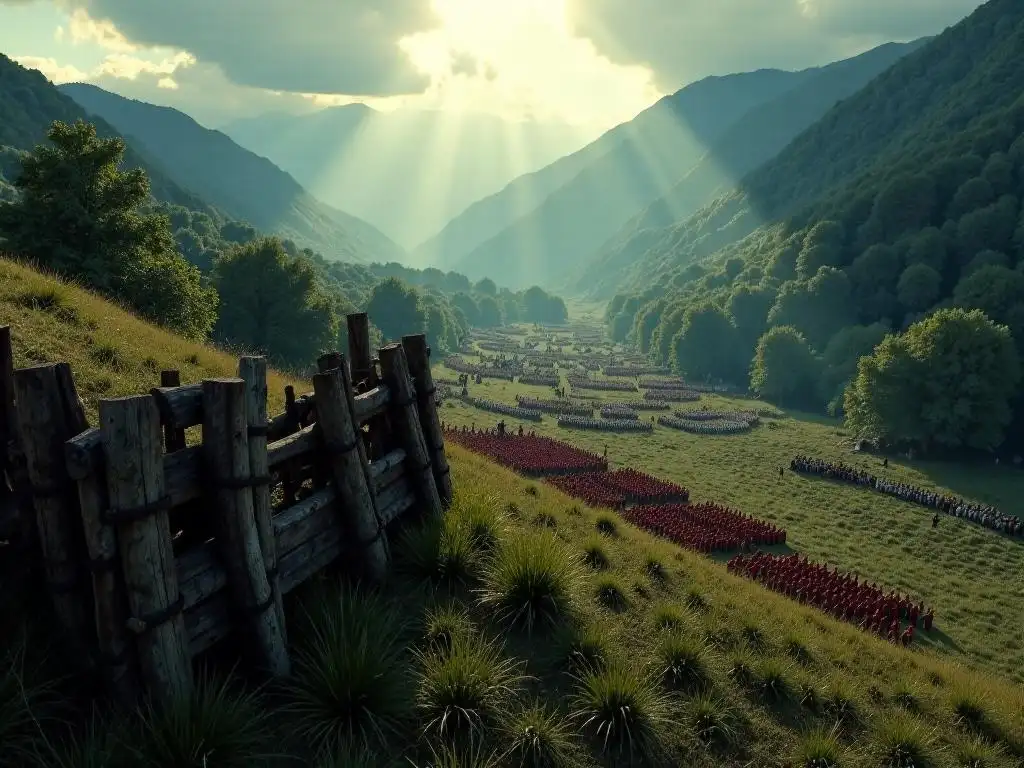
The Battle of Hakodate, fought between 1868 and 1869, represents a pivotal moment in Japanese history, marking the end of the Tokugawa Shogunate's rule and the beginning of the Meiji Restoration. This battle, which took place in the northern region of Japan, was characterized by intense fighting as the loyalists of the Tokugawa Shogunate clashed with the imperial forces aiming to restore power to the emperor. The legacy of this conflict is rich and multifaceted, influencing various aspects of Japanese society and governance.
The battle's outcome not only signified the defeat of the Tokugawa forces but also facilitated significant changes in Japan's political landscape. The fall of the shogunate led to the dissolution of the feudal system, paving the way for modernization and westernization of Japan. The lessons learned from this battle and the subsequent shifts in power dynamics prompted a reevaluation of military strategies and governance, ultimately contributing to Japan's emergence as a modern nation-state.
Historical Interpretations of the Last Stand
The Last Stand of the Tokugawa Shogunate at Hakodate has been interpreted in various ways by historians, reflecting differing perspectives on loyalty, resistance, and the inevitability of change. Some historians view the Tokugawa forces as valiant defenders of their traditions and way of life, fighting against the tide of modernization and imperial restoration. This interpretation emphasizes the cultural and historical significance of the shogunate, portraying the battle as a noble yet tragic effort to preserve a fading era.
Conversely, other interpretations focus on the inevitability of the Meiji Restoration, viewing the Tokugawa's resistance as ultimately futile. This perspective highlights the broader socio-political changes occurring in Japan during the 19th century, suggesting that the battle was merely a delaying action in the face of progress. The dichotomy in interpretations illustrates the complexity of Japan's transition from feudalism to modernity, as well as the varying sentiments surrounding the legacy of the Tokugawa Shogunate.
The Battle's Place in Japanese Military History
In the context of Japanese military history, the Battle of Hakodate stands out as a significant conflict that encapsulates the transition from traditional warfare to modern military strategies. The battle featured both conventional tactics, such as fortifications and artillery, and emergent military technologies, heralding a shift in how wars were fought in Japan. This blend of old and new reflects the broader changes taking place within the Japanese military as it sought to adapt to the realities of a rapidly modernizing world.
Furthermore, the strategies employed at Hakodate have been studied extensively in military academies, offering insights into the challenges of leadership, logistics, and morale in wartime. The lessons drawn from the conflict have influenced subsequent military engagements in Japan, contributing to the development of a more sophisticated military doctrine. Overall, the Battle of Hakodate serves as a crucial reference point for understanding Japan's military evolution and the broader implications of the transition away from feudal governance.
Conclusion: The End of an Era
The conclusion of the Battle of Hakodate not only marked the end of the Tokugawa Shogunate but also signified a transformative period in Japan's history. The shogunate's defeat catalyzed the Meiji Restoration, which initiated sweeping reforms across political, economic, and social realms. As the last significant military confrontation between the shogunate and imperial forces, Hakodate symbolizes the culmination of a lengthy struggle for power and the inevitability of change in Japanese society.
Reflections on the Fall of the Tokugawa Shogunate
Reflecting on the fall of the Tokugawa Shogunate, it is clear that the battle encapsulated the tensions between tradition and progress. The shogunate's inability to adapt to the changing political landscape and the pressures of modernization ultimately led to its downfall. This period of reflection has prompted historians and scholars to explore the factors contributing to the shogunate's demise, including internal dissent, external pressures from foreign powers, and the rise of new ideologies advocating for imperial rule.
Moreover, the narrative of resistance against the imperial forces has also fostered a sense of nostalgia among certain segments of Japanese society, leading to various cultural representations of the shogunate's final stand. These reflections underscore the complexity of Japan's journey towards modernization and the diverse interpretations of its feudal past.
The Lasting Impact on Feudal Japan
The lasting impact of the Battle of Hakodate on feudal Japan is profound. The defeat of the Tokugawa Shogunate not only dismantled the feudal system but also set a precedent for future governance and military organization in Japan. The transition to a centralized government under the emperor heralded a new era of modernization, which would influence all aspects of Japanese life, from industry to education.
In addition, the battle and its aftermath fostered a sense of nationalism that would later play a crucial role in Japan's imperial ambitions in the late 19th and early 20th centuries. The legacy of the struggle at Hakodate serves as a reminder of the complexities surrounding the end of feudalism and the emergence of a modern nation, shaping the identity of Japan for generations to come.
Further Reading on the Last Stand of the Tokugawa Shogunate
To deepen your understanding of the Last Stand of the Tokugawa Shogunate and its implications within the broader context of Japanese military history, several resources are available. These include books, articles, and visual resources that provide detailed insights into the events surrounding the Battle of Hakodate and the fall of the Tokugawa regime. Below are some recommended readings and visual materials that explore these themes.
Recommended Books and Articles
-
"The Last Samurai: The Life and Battles of Saigo Takamori" by Mark Ravina
This book offers a comprehensive look at one of the most significant figures of the last years of the Tokugawa Shogunate, exploring his role in the Satsuma Rebellion and the broader implications for Japanese society.
-
"Hokkaido and the Tokugawa Shogunate: The Politics of a Frontier Society" by Tessa Morris-Suzuki
Morris-Suzuki delves into the socio-political dynamics of Hokkaido during the Tokugawa era, providing context for the Battle of Hakodate.
-
"The Meiji Restoration: A New History" by James L. McClain
This work provides an overview of the Meiji Restoration, including the events leading to and following the Battle of Hakodate, offering a broader perspective on the fall of the Tokugawa Shogunate.
-
"The Last Stand of the Samurai: The Battle of Hakodate 1868" by Stephen Turnbull
Turnbull's account focuses specifically on the Battle of Hakodate, detailing the military strategies employed and the significance of this battle in the context of Japan's transition from feudalism to modernization.
-
Journal Articles in "The Journal of Japanese Studies"
Various articles within this journal explore the political, military, and cultural ramifications of the last years of the Tokugawa Shogunate, including detailed analyses of the Battle of Hakodate.
Documentaries and Visual Resources on the Battle of Hakodate
-
"The Last Samurai: The Fall of the Tokugawa Shogunate" (NHK Documentary)
This documentary provides a visual recounting of the events leading up to the Battle of Hakodate, featuring expert interviews and historical reenactments that bring the era to life.
-
"Hakodate: The Final Battle" (YouTube Series)
A short series that details the Battle of Hakodate, including maps and animations to illustrate the military tactics used by both the Tokugawa forces and the Imperial Army.
-
"Japan: Memoirs of a Secret Empire" (PBS Documentary)
This documentary series covers the Tokugawa period extensively, with episodes dedicated to the decline of the shogunate and the conflicts that defined the era, including the events at Hakodate.
-
"The Samurai: A History" (History Channel Documentary)
This documentary explores the role of samurai in Japan's feudal society and their evolution during the turbulent transition marked by the Battle of Hakodate.
These resources not only provide a deeper understanding of the events surrounding the Battle of Hakodate but also highlight the cultural and societal transformations that marked the end of the Tokugawa Shogunate. Engaging with these materials will offer a well-rounded perspective on this pivotal moment in Japanese history.
- Introduction to the Last Stand of the Tokugawa Shogunate
- Overview of the Tokugawa Shogunate
- Historical Context Leading to the Battle of Hakodate
- The Prelude to the Battle
- The Battle of Hakodate: An Overview
- Strategic Importance of Hakodate
- The Course of the Battle
- Aftermath of the Battle
- The Legacy of the Battle of Hakodate
- Conclusion: The End of an Era
- Further Reading on the Last Stand of the Tokugawa Shogunate
Frequently Asked Questions
What was the Battle of Hakodate?
The Battle of Hakodate was a significant conflict that marked the last stand of the Tokugawa Shogunate during the Boshin War, showcasing the final resistance against the imperial forces in 1869.
Why is the Battle of Hakodate important in Japanese history?
This battle is crucial as it symbolizes the end of feudal Japan and the collapse of the Tokugawa regime, leading to the Meiji Restoration and a shift towards modernization and centralization of power in Japan.
Who were the main factions involved in the Battle of Hakodate?
The main factions were the Tokugawa loyalists, who supported the shogunate, and the imperial forces, which aimed to restore power to the emperor, culminating in a conflict that defined the era.
How did the Battle of Hakodate conclude?
The battle concluded with the defeat of Tokugawa forces in June 1869, leading to the surrender of their stronghold and effectively marking the end of the Tokugawa Shogunate's influence in Japan.
What were the broader impacts of the Battle of Hakodate on Japan?
The battle had lasting impacts, including the transition to the Meiji era, where Japan underwent rapid modernization and significant political and social changes, reshaping its future as a nation.
Final Reflection: The Last Stand of the Tokugawa Shogunate and Its Enduring Legacy
The Battle of Hakodate serves as a poignant reminder of the fragility of power and the inevitability of change. As we reflect on this pivotal moment in Japanese history, we recognize its relevance in today's world, where struggles for power and identity continue to shape societies. The last stand of the Tokugawa Shogunate was not merely a military confrontation; it was a profound clash of ideals that resonates with contemporary battles for governance and cultural preservation.
Culturally and socially, the legacy of the Tokugawa Shogunate's final moments continues to influence Japan's identity and the broader narrative of resistance against change. The story of Hakodate is a testament to the complexities of loyalty, tradition, and the human spirit's resilience in the face of overwhelming odds. As historian John W. Dower once said, History is not just a record of the past; it is a lens through which we understand our present and shape our future.
This observation underscores the importance of examining historical events like the Battle of Hakodate, which inform our understanding of modern conflicts and societal transformations.
As you contemplate the lessons from the last stand of the Tokugawa Shogunate, I invite you to reflect on your own experiences with change and resistance. Consider how the struggles of the past can inspire your actions today. Whether in your personal life, community, or the world at large, remember that every battle—be it for power, identity, or justice—shapes the future. Embrace the courage to stand for your beliefs, learning from history as you forge your own path forward.
Unveil the Legacy of Hakodate – Take Action!
Thank you for diving into the captivating story of the Battle of Hakodate! Your curiosity about this pivotal moment in history enriches our understanding of the Tokugawa Shogunate's final stand. Now, it's time to turn that knowledge into action!
- Explore further: Visit our interactive timeline on feudaljapanhistory.com to discover how the Battle of Hakodate fits into the larger narrative of Japan’s transformation.
- Engage with us: Join our discussion forum to share your thoughts about this battle and connect with fellow history enthusiasts.
- Spread the word: Share this article with friends or on social media to spark conversations about this fascinating era!
Which aspect of the Battle of Hakodate resonates with you the most, and in what ways do you believe it has influenced modern Japan?