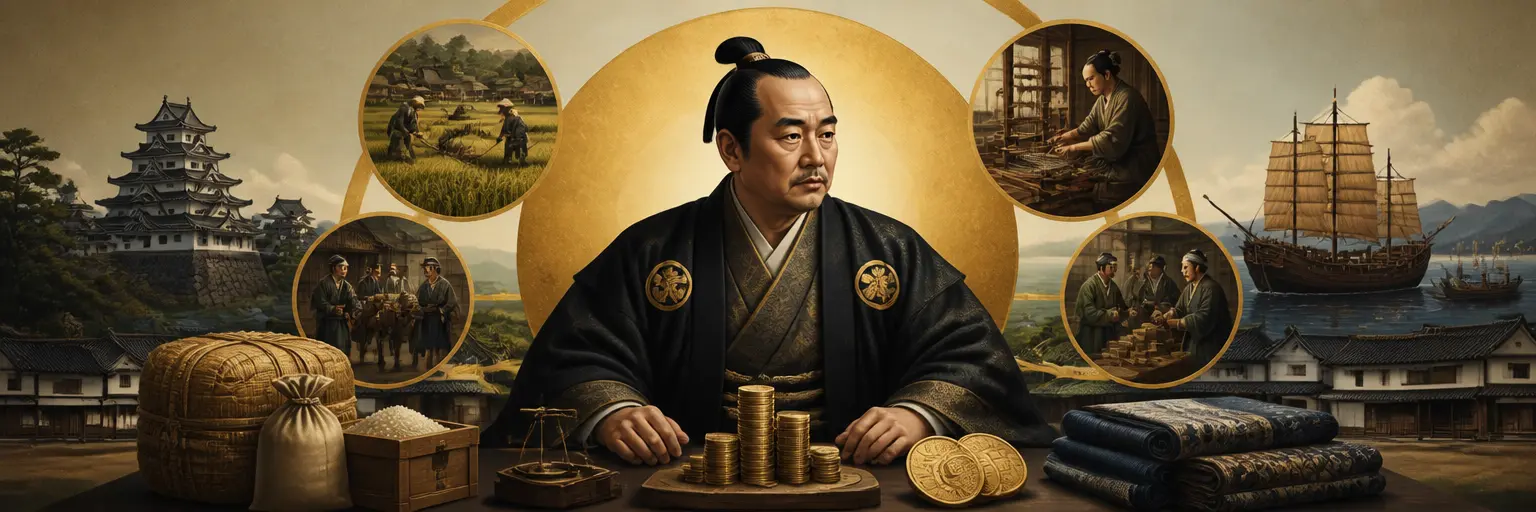
🏯 Tokugawa Economic Policies: Finance, Trade, and Growth in Edo Japan
Explore the economic policies of the Tokugawa shogunate and discover how taxation, agriculture, commerce, trade regulations, and social organization shaped Japan during the Edo period (1603–1868). This subcategory examines the foundations of Tokugawa economic history, including the rice-based tax system, domain administration, merchant networks, urban development, monetary policy, and the gradual commercialization of feudal Japan. Readers can expect expert-driven articles explaining how the bakuhan system managed resources while creating the conditions for significant economic and cultural change.
🌾 Rice Taxation and the Kokudaka System
Learn how the Tokugawa government measured political power and economic strength through the kokudaka system, which assessed domains according to their estimated rice production. Articles in this section explain the importance of land surveys, agricultural output, village administration, and the annual collection of taxes known as nengu.
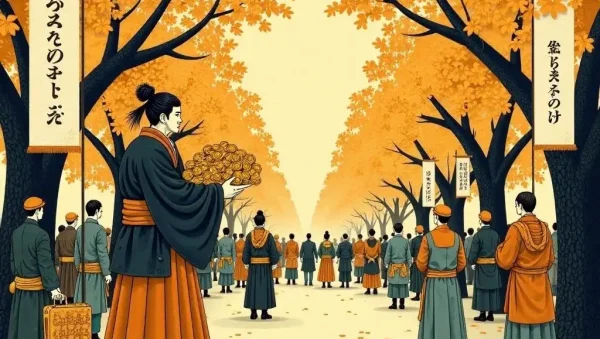
Discover how rice taxation supported samurai stipends, castle towns, military obligations, and the authority of both the shogunate and regional daimyo. These resources also explore the challenges caused by harvest failures, fluctuating rice prices, rural debt, and the pressure placed on farming communities in Edo-period Japan.
🏛️ Bakuhan Governance and Domain Economics
Examine the economic relationship between the Tokugawa shogunate and the semi-autonomous daimyo domains. The bakuhan system combined centralized shogunal authority with domain-level administration, allowing regional lords to manage agriculture, taxation, infrastructure, and local industries while remaining subject to strict political controls.
Readers will learn how policies such as sankin-kōtai, or alternate attendance, affected daimyo finances and encouraged the development of roads, post towns, markets, and castle towns. Articles also consider how domain reforms, fiscal crises, and administrative innovations influenced the long-term stability of the Tokugawa regime.
🚜 Agriculture, Land Development, and Rural Economies
Tokugawa economic policy depended heavily on agricultural production. This section explores the expansion of cultivated land, irrigation projects, improved farming techniques, new crops, fertilizer use, and the growth of specialized agricultural production such as cotton, silk, tea, sugar, and commercial vegetables.
Discover how rural villages became important economic units governed through collective responsibility and village headmen. Detailed articles address farm taxation, population growth, tenant farming, rural markets, peasant protests, and the changing relationship between subsistence agriculture and commercial farming during the Edo period.
💰 Currency, Finance, and Rice Markets
Investigate the Tokugawa monetary system, including the circulation of gold, silver, and copper coins. Articles explain how regional currency practices, exchange rates, inflation, and the value of rice influenced economic decisions across Japan. The famous Dōjima Rice Exchange in Osaka is examined as an important center of price discovery and financial activity.
This section also covers samurai debt, merchant credit, moneylending houses, domain finances, and attempts by the shogunate to regulate currency and prices. Readers will gain a clearer understanding of how a rice-based fiscal system gradually interacted with increasingly sophisticated commercial and financial institutions.
🚢 Domestic Trade, Merchants, and Urban Commerce
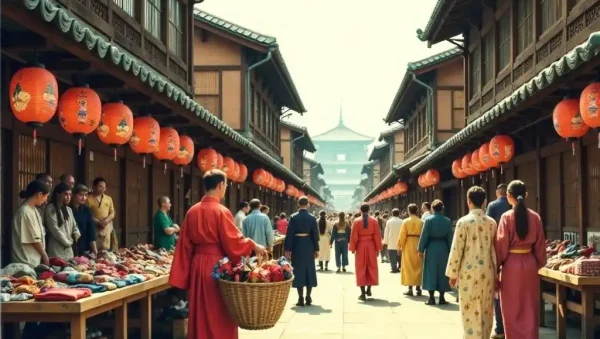
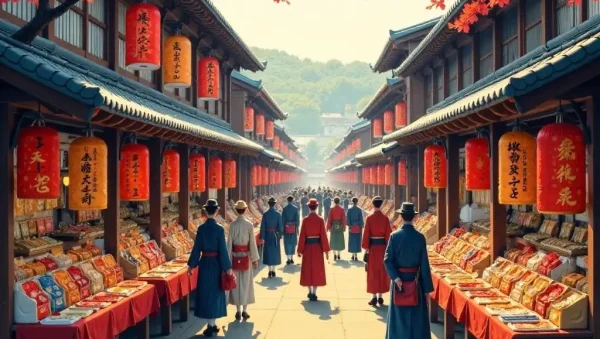
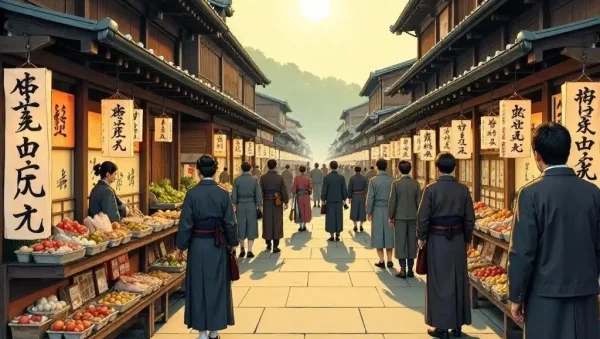
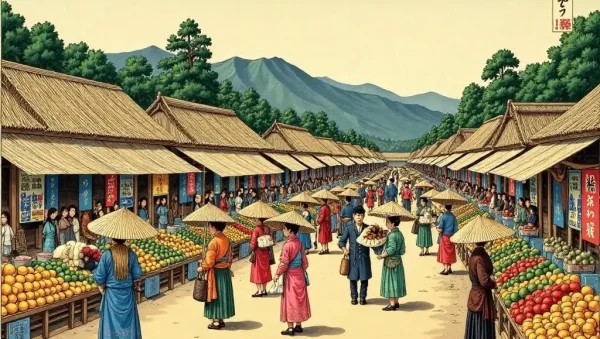
Learn how internal trade connected villages, castle towns, port cities, and major commercial centers such as Edo, Osaka, and Kyoto. Content explores merchant associations, wholesalers, brokers, transport routes, maritime shipping, market towns, and the distribution of rice, textiles, salt, timber, fish, and manufactured goods.
Readers can expect detailed explanations of the rising influence of merchant families and urban commercial organizations. Although merchants occupied a low position in the official social hierarchy, their wealth and financial expertise played a central role in the development of Edo-period commerce, consumption, and urban culture.
🌏 Foreign Trade and Maritime Restrictions
Explore Tokugawa policies toward international commerce, including the regulated trade conducted through Nagasaki with the Dutch and Chinese. This section examines the maritime restrictions often associated with sakoku, while explaining that Japan maintained controlled connections with Korea, the Ryukyu Kingdom, Ainu regions, and selected overseas markets.
Articles discuss imported goods, silver and copper exports, diplomatic exchange, commercial regulation, and the economic consequences of limiting foreign contact. Readers will also learn how international trade influenced technology, medicine, luxury consumption, and the flow of information into Tokugawa Japan.
🏙️ Castle Towns, Roads, and Infrastructure
Tokugawa economic policies encouraged the growth of castle towns, post stations, highways, bridges, ports, and warehouses. Discover how infrastructure connected political centers with agricultural regions and commercial hubs, supporting the movement of people, rice, raw materials, and manufactured products throughout the Japanese archipelago.
This section explains why Edo became one of the world’s largest cities and how Osaka developed into Japan’s principal commercial capital. Readers will also explore the economic impact of sankin-kōtai, pilgrimage routes, travel regulations, and the expansion of transportation networks during the Edo period.
📚 Economic Reform, Crisis, and the End of the Shogunate
Examine major Tokugawa reform efforts, including the Kyōhō, Kansei, and Tenpō reforms. These programs attempted to address fiscal instability, samurai debt, inflation, luxury consumption, rural hardship, and declining shogunal revenues through austerity measures, administrative changes, and renewed emphasis on agricultural production.
Readers will learn how economic commercialization created both prosperity and inequality. Articles connect domain indebtedness, peasant unrest, merchant power, population changes, and foreign economic pressure to the weakening of the Tokugawa political order before the Meiji Restoration of 1868.
❓ Frequently Asked Questions About Tokugawa Economic Policies
What was the main source of Tokugawa government revenue?
The primary source of revenue was agricultural taxation, especially the collection of rice from farming villages. The kokudaka system estimated the productive value of land, while taxes and obligations helped support the shogunate, daimyo administrations, samurai stipends, and public infrastructure.
What was the kokudaka system?
The kokudaka system measured a domain’s wealth according to its estimated rice-producing capacity, expressed in koku. It was used to rank daimyo, organize taxation, determine military obligations, and evaluate the economic resources available to regional rulers.
Did Japan completely isolate itself during the Tokugawa period?
No. Tokugawa Japan heavily regulated foreign relations but did not eliminate overseas contact. Trade and diplomatic exchange continued through Nagasaki, Tsushima, Satsuma, and northern routes involving the Ainu and Ezo regions. The term sakoku is therefore best understood as controlled engagement rather than total isolation.
Why were merchants economically important in Edo Japan?
Merchants transported, stored, financed, and sold goods across Japan. They managed credit networks, rice markets, wholesale distribution, and urban commerce. Despite their low official status under the social hierarchy, successful merchant houses accumulated considerable wealth and influenced economic development.
How did Tokugawa economic policies contribute to the end of the shogunate?
Commercial growth created new wealth, but the shogunate and many samurai domains struggled with debt, unstable revenues, inflation, rural hardship, and changing international conditions. These pressures weakened political authority and contributed to the reforms, conflicts, and foreign challenges that culminated in the Meiji Restoration.