🏯 Isolationist Policies and Economy in Feudal Japan
Explore how isolationist policies shaped the economy of feudal Japan, particularly during the Tokugawa shogunate. This subcategory examines sakoku, foreign trade restrictions, maritime regulations, domestic commerce, taxation, agriculture, urban growth, and the economic consequences of Japan’s limited international contact. Readers will discover how the Tokugawa economic system balanced controlled diplomacy with thriving internal markets, helping transform Japan’s political and social landscape before the Meiji Restoration.
🚪 Sakoku and Japan’s Controlled Foreign Relations
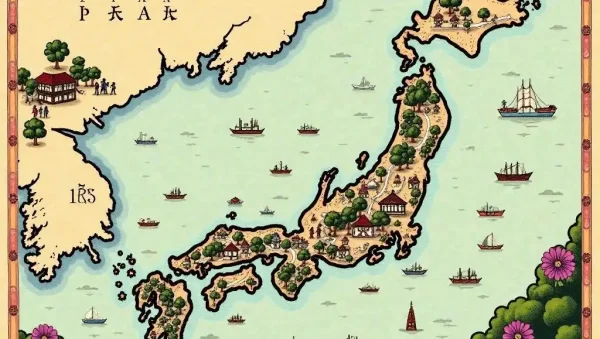
Learn what sakoku meant in practice and why the Tokugawa shogunate introduced strict controls over overseas travel, Christian missionaries, foreign merchants, and international trade. Rather than treating isolation as complete separation, our articles explain how Japan maintained carefully regulated connections with China, Korea, the Dutch, and the Ryukyu Kingdom.
Discover how Japanese isolationist policy protected the authority of the shogunate, limited foreign religious influence, and controlled access to valuable information and goods. Detailed historical analysis explores Nagasaki, Dejima, licensed trade, maritime restrictions, and the role of official diplomacy in Tokugawa Japan.
⚓ Foreign Trade, Nagasaki, and Maritime Regulation
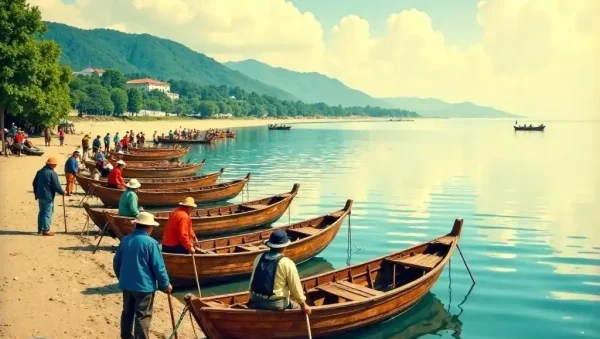
Examine the importance of Nagasaki as Japan’s principal international trading port during the Edo period. Readers can learn about Japanese trade with Dutch and Chinese merchants, the circulation of silver, copper, silk, medicines, books, and luxury goods, and the government officials who supervised foreign commerce.
This section also explores how maritime regulations affected coastal communities, merchants, shipbuilding, and regional economies. By studying Tokugawa foreign trade, visitors can understand why Japan’s economy remained connected to Asia even while the shogunate restricted private overseas activity.
🌾 Agriculture, Rice Taxation, and Daimyo Finance
Understand why rice stood at the center of the feudal Japanese economy. Articles in this subcategory explain kokudaka assessments, land surveys, peasant taxation, agricultural productivity, irrigation, crop diversification, and the financial responsibilities of daimyo under the Tokugawa system.
Readers will also discover how fluctuating harvests, famines, rural debt, and taxation influenced social stability. Rice taxation in Edo Japan was not simply an economic practice; it supported samurai administration, funded castle towns, and connected village production to the broader political structure of the shogunate.
🏙️ Castle Towns, Merchants, and Domestic Markets
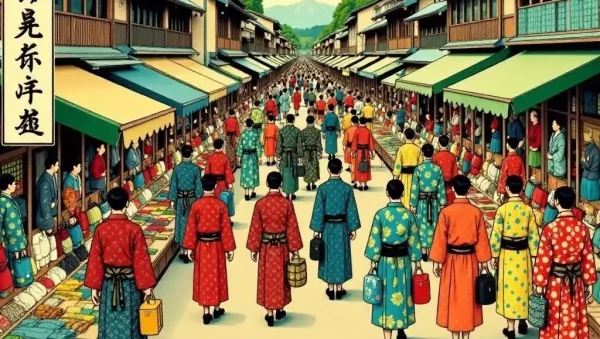
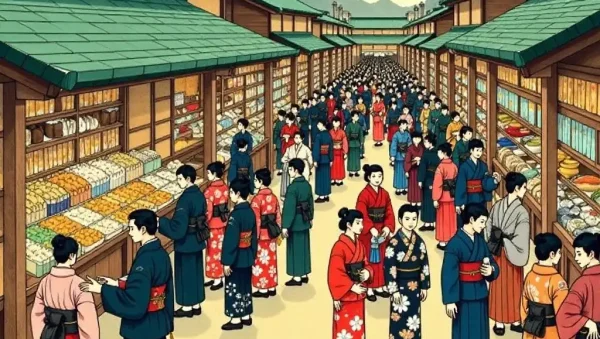
Explore the growth of castle towns such as Edo, Osaka, and Kyoto, where samurai, artisans, merchants, and officials participated in an increasingly complex commercial economy. These urban centers became hubs for rice distribution, handicrafts, transportation, credit, warehousing, and regional exchange.
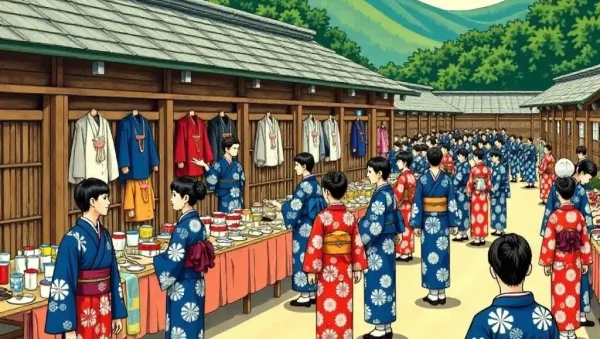
Although merchants occupied a low position in the formal social hierarchy, their economic influence expanded significantly. Learn how merchant houses, moneylenders, wholesalers, and urban markets helped shape Edo-period economic development and contributed to the rise of consumer culture in feudal Japan.
💰 Money, Credit, and Commercial Expansion
Investigate the monetary systems of Tokugawa Japan, including the use of gold, silver, copper coins, rice payments, regional currencies, and bills of exchange. This section explains how financial networks allowed goods and money to move across long distances despite political boundaries and transportation challenges.
Readers can expect clear discussions of inflation, debt, merchant credit, samurai financial difficulties, and the relationship between agricultural production and commercial growth. These topics reveal how early modern Japan developed sophisticated economic institutions before industrialization.
📚 Knowledge, Technology, and Economic Change
Discover how controlled international contact enabled the selective importation of scientific, medical, military, and geographical knowledge. Rangaku, or “Dutch learning,” provided Japanese scholars with access to new ideas while remaining subject to shogunate oversight.
Our historical resources connect foreign knowledge with domestic innovation, including improvements in farming, publishing, medicine, navigation, and manufacturing. This approach shows that isolationist policies did not prevent change; instead, they shaped the channels through which knowledge and technology entered Japan.
⚖️ Social Effects of Isolationist Economic Policies
Study how trade restrictions and economic regulation affected samurai, peasants, artisans, merchants, religious institutions, and coastal communities. The Tokugawa status system formally ranked social groups, yet commercial wealth increasingly challenged traditional political and social assumptions.
Articles also examine peasant uprisings, urban poverty, sumptuary laws, rural commercialization, and the growing gap between official status and economic power. Understanding these tensions helps explain the gradual weakening of the shogunate in the nineteenth century.
❓ Frequently Asked Questions About Isolationist Policies and Economy
What was sakoku in feudal Japan?
Sakoku was the Tokugawa shogunate’s system of regulating foreign relations, overseas travel, Christianity, and international trade. It did not create total isolation. Japan maintained controlled connections with selected foreign partners through ports such as Nagasaki and diplomatic relationships with Korea and the Ryukyu Kingdom.
Why did the Tokugawa shogunate restrict foreign contact?
The shogunate sought to prevent Christian missionary activity, limit foreign political influence, control overseas commerce, and protect domestic stability. Restricting foreign contact also strengthened central authority by giving the government greater control over trade, information, and travel.
Did Japan trade with other countries during the Edo period?
Yes. Japan traded with China and the Dutch at Nagasaki and maintained diplomatic and commercial relationships with Korea and the Ryukyu Kingdom. Imported goods included silk, medicines, books, and luxury products, while Japanese exports included silver, copper, and other valuable commodities.
How did isolationist policies affect Japan’s economy?
Isolationist policies limited private overseas activity but encouraged the development of domestic agriculture, manufacturing, transportation, urban markets, and commercial networks. Japan’s economy became increasingly sophisticated and internally integrated while foreign trade remained carefully controlled.
Did isolation cause the fall of the Tokugawa shogunate?
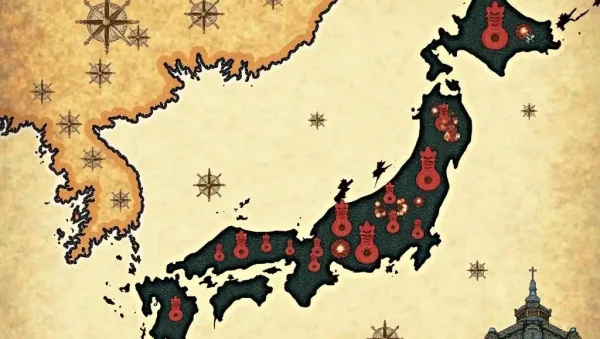
Isolation alone did not cause the shogunate’s collapse. Financial difficulties, social unrest, unequal economic development, political conflict, and pressure from Western powers all contributed. The arrival of foreign warships in the nineteenth century exposed weaknesses in the existing system and accelerated demands for political change.