Edo's Neighborhoods: The Social Fabric of Urban Living
🌸 Edo period urban neighborhoods were vibrant hubs of culture and commerce, reflecting the intricate social fabric of life during Japan's feudal…
Read article
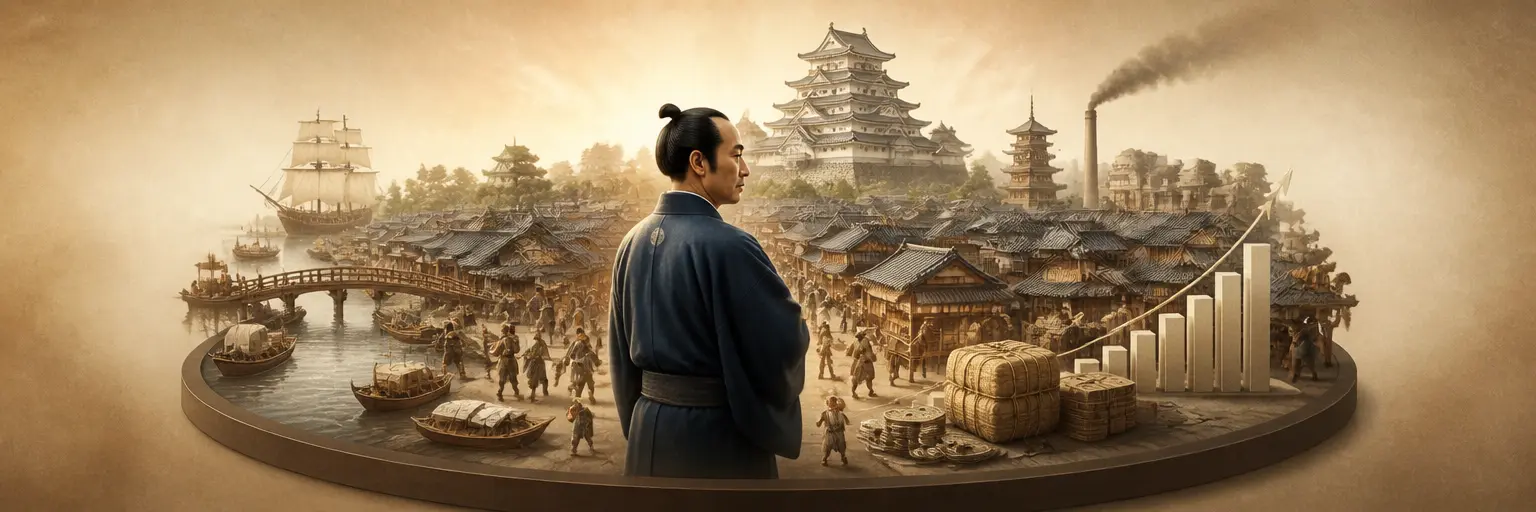
Explore how urbanization transformed Edo-period Japan 🏯, as castle towns, merchant districts, and expanding trade networks reshaped economic life. Discover the growth of Edo and other major cities, the rise of commercial culture, and the social forces that influenced Japan’s feudal economy. Gain expert insights into urban development, commerce, and everyday life through engaging economic history articles from Feudal Japan History.
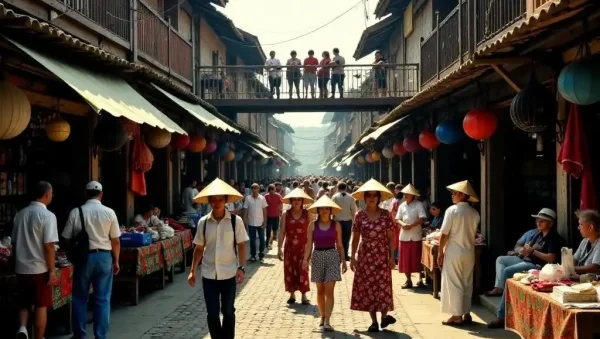
🌸 Edo period urban neighborhoods were vibrant hubs of culture and commerce, reflecting the intricate social fabric of life during Japan's feudal…
Read article
The Edo period craftsmanship and trade revolutionized urban economies, blending artistry with commercial innovation. This era's skilled artisans not only defined Japan's…
Read article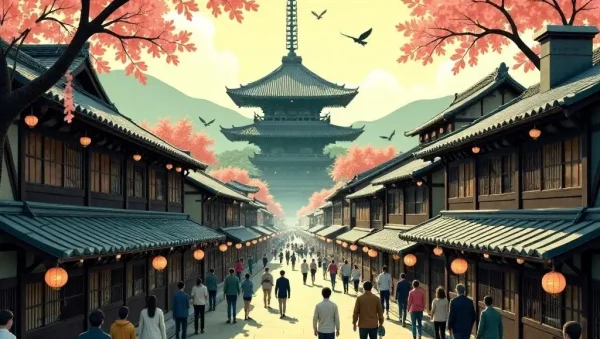
🌍 The Edo period urban development effects reveal how natural disasters reshaped city planning and societal resilience. From fires to floods, these…
Read article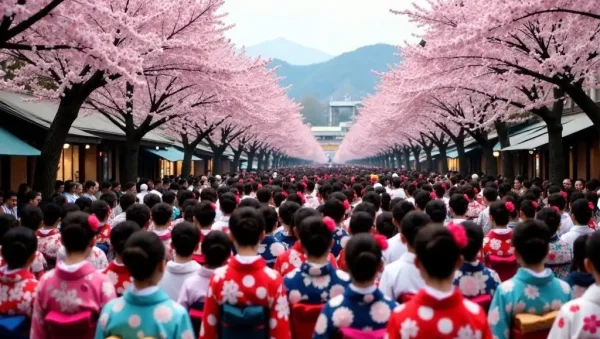
🌸 The significance of Edo period festivals transcended mere celebration; they were vital in shaping urban identity, fostering community bonds, and reflecting…
Read article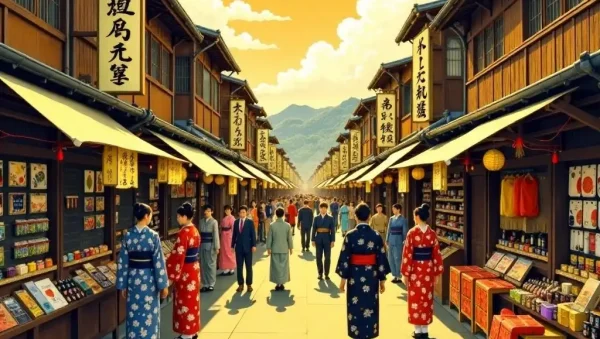
In the Edo period, merchant-samurai dynamics shaped urban society, with merchants gaining wealth and influence, while samurai navigated their declining status. This…
Read article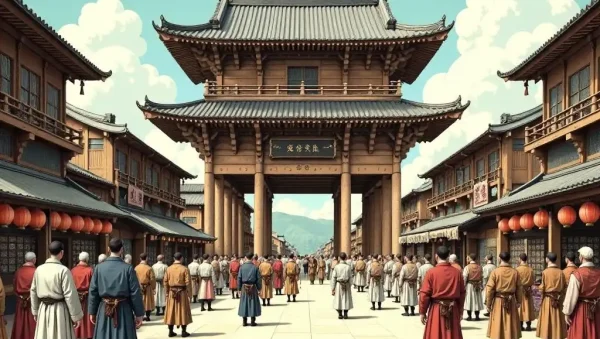
The Edo period banking systems played a pivotal role in Japan's feudal economy, facilitating trade and commerce. This article explores how these…
Read article
Discover how Edo period literature and culture flourished amidst the vibrant urban life of its time, reflecting the complexities of society while…
Read article
🚶♂️ Explore the intricate Edo period transportation systems that connected bustling cities and remote villages, revealing the ingenuity and resilience of feudal…
Read article
🌟 The Edo period's market revolution marked a transformative era in Japan, giving rise to a vibrant consumer culture. This article delves…
Read article
🔥 Fire influence on Edo architecture played a pivotal role in shaping the city's unique urban landscape. This article delves into how…
Read article
🌸 The Edo period education system significantly influenced Japan's urban intellectual landscape, fostering a culture of learning and scholarship that shaped societal…
Read article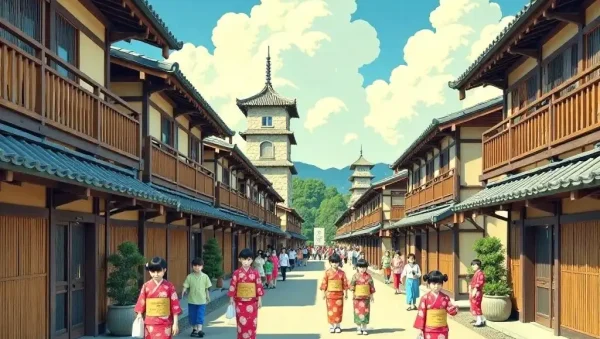
The Edo period urban architecture transformed the landscape of Japan's feudal economy, reflecting societal hierarchies and cultural values. This article delves into…
Read articleExplore how urbanization transformed Edo-period Japan through the growth of castle towns, commercial centers, transport networks, and merchant communities. This subcategory examines the economic history of the Tokugawa shogunate, focusing on Edo—modern Tokyo—as well as Osaka, Kyoto, and regional cities. Discover how population growth, rice taxation, domestic trade, banking, guilds, markets, and expanding consumer culture shaped feudal Japan between the seventeenth and nineteenth centuries.
Learn how Edo developed from a fortified settlement into one of the world’s largest cities. Articles in this section explore the establishment of the Tokugawa shogunate, the construction of Edo Castle, the relocation of daimyo residences, and the political decisions that encouraged rapid population growth. Readers can expect detailed explanations of Edo urban planning, street organization, neighborhoods, waterways, and the city’s relationship with the surrounding Kanto region.
This section also examines the economic foundations of Edo’s expansion, including samurai administration, construction projects, food distribution, and the demand created by a large population. Discover how Edo became a center of governance, employment, craftsmanship, retail, and cultural production within the broader economy of feudal Japan.
Explore the development of castle towns, known as jokamachi, which became essential political and economic centers during the Sengoku and Tokugawa periods. These planned settlements brought together daimyo families, samurai, artisans, merchants, religious institutions, and service workers. Articles explain how castle-town layouts reflected military defense, social hierarchy, administrative control, and commercial opportunity.
Readers will also learn how castle towns connected regional economies to the national marketplace. Topics may include land surveys, domain administration, taxation, roads, bridges, marketplaces, and the growth of towns such as Kanazawa, Nagoya, Sendai, Hiroshima, and Kumamoto. Together, these factors reveal how urbanization supported political stability and economic integration in Japan.
Discover why Osaka became known as the “nation’s kitchen” and how its rice markets influenced the economy of the Tokugawa period. This section explores Osaka’s role in rice storage, wholesale trade, merchant finance, maritime transport, and commodity distribution. Readers can expect coverage of merchant houses, brokers, warehouses, market institutions, and the financial practices that linked domains to major urban centers.
Articles also compare Osaka with Kyoto, the imperial and cultural capital, and Edo, the shogunal capital. Learn how silk, textiles, tea, paper, sake, seafood, and manufactured goods moved between cities. These urban connections demonstrate the importance of domestic trade in early modern Japan and the increasingly sophisticated commercial networks of the Edo period.
Understand how transportation systems supported urbanization and economic growth. This section examines the Tokaido, Nakasendo, and other major highways, along with post stations, river routes, coastal shipping, and port towns. Readers will learn how roads and waterways carried rice, timber, textiles, salt, fish, tools, and consumer goods throughout the Japanese archipelago.
Transportation was also connected to political control. The sankin-kotai system required daimyo to travel regularly between their domains and Edo, stimulating demand for lodging, food, horses, guides, construction, and transportation services. Articles explain how these journeys strengthened the Tokugawa system while encouraging the growth of regional economies and urban services.
Explore the demographic changes that accompanied urban expansion in Tokugawa Japan. Articles discuss the movement of samurai, farmers, merchants, artisans, servants, entertainers, and migrants into growing cities. Readers can expect analysis of household registration, neighborhood associations, population estimates, fire hazards, public order, and the challenges of feeding large urban communities.
This section also considers the changing relationship between social status and economic power. Although the Tokugawa status system placed merchants below samurai in official hierarchy, successful commercial families could accumulate considerable wealth and influence. These articles explain how urban life created new opportunities while reinforcing important distinctions between samurai, peasants, artisans, and townspeople.
Learn how merchants and artisans shaped the economy and culture of Edo-period cities. This section covers shopkeeping, wholesale trade, guilds, credit, money changing, retail markets, and the production of household goods. Readers will discover how urban consumers purchased clothing, ceramics, furniture, books, cosmetics, food, and entertainment services.
The growth of consumption contributed to the rise of urban popular culture, including kabuki theater, ukiyo-e prints, pleasure districts, restaurants, fashion trends, and publishing. By examining these developments, readers can see how commercial wealth influenced daily life and how Edo became a center of cultural innovation as well as political authority.
Life in early modern cities was shaped by recurring fires, floods, earthquakes, epidemics, food shortages, and infrastructure problems. Articles in this section explain how officials, domain governments, temples, merchant groups, and neighborhood organizations responded to these threats. Topics include fire brigades, rebuilding policies, river management, food reserves, sanitation, and urban regulation.
Urban disasters could cause significant economic disruption, but reconstruction also created demand for labor, materials, transportation, and skilled craftspeople. Readers will learn how crises influenced Tokugawa urban planning, public policy, social cooperation, and the long-term development of Edo and other Japanese cities.
Edo grew because it became the political center of the Tokugawa shogunate. The presence of Edo Castle, the residence of the shogun, and the mandatory attendance of daimyo through sankin-kotai attracted samurai households, workers, merchants, artisans, and service providers. Its location also supported transport, food distribution, administration, and commercial growth.
Osaka was a leading commercial hub and a major center for rice distribution. Daimyo often stored and sold rice there to obtain money for administrative expenses. Osaka’s brokers, merchant houses, warehouses, and financial institutions connected regional domains with national markets, earning the city its reputation as the “nation’s kitchen.”
Castle towns concentrated political authority, military power, taxation, administration, and commerce in one location. They attracted samurai, artisans, merchants, religious institutions, and laborers, creating permanent urban communities. Their roads and markets also connected local production with wider regional and national trade networks.
Sankin-kotai required daimyo to alternate residence between their domains and Edo. This system increased demand for roads, inns, food, horses, porters, housing, clothing, and luxury goods. It also encouraged the construction of daimyo residences and strengthened commercial ties between Edo and the rest of Japan.
Yes. Merchants were officially ranked below samurai, farmers, and artisans, but successful merchant families could control significant wealth, credit, commodity distribution, and commercial information. Their economic influence supported urban development and helped finance cultural activities, although political authority remained primarily in the hands of the shogunate and daimyo.