
Sake Varieties: Understanding the Different Types and Their Historical Context

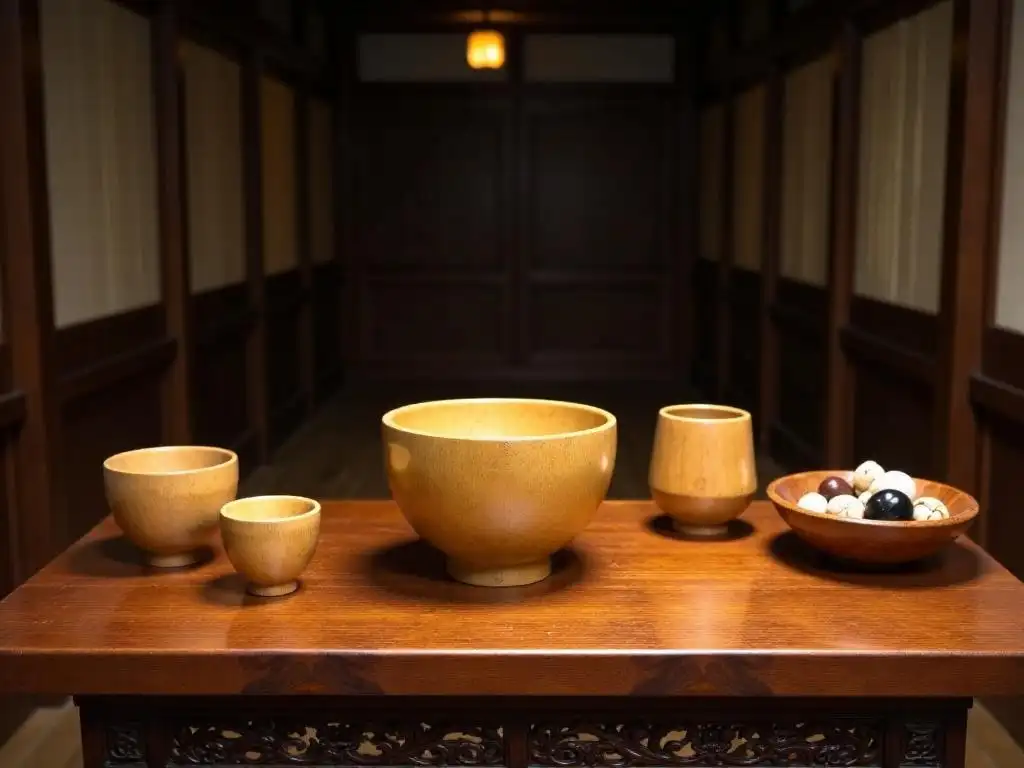
Welcome to Feudal Japan History, where we embark on a captivating journey through Japan’s rich and intricate feudal era. Here, you will uncover the fascinating layers of culture, society, and history that shaped this unique period.
Dive into our featured article, “Sake Varieties: Understanding the Different Types and Their Historical Context,” and explore how the beloved drink of sake not only reflects Japan’s culinary heritage but also weaves a rich tapestry of tradition and history. Prepare to quench your curiosity as we delve deeper into the historical significance of Japanese sake varieties—an exploration that promises to reveal stories you never knew existed!
- Introduction to Japanese Sake Varieties History
- The Evolution of Sake: Historical Context
- Types of Japanese Sake Varieties
- Regional Variations of Sake in Japan
- The Cultural Impact of Sake Through History
- Modern Developments and Trends in Sake Production
- Conclusion: The Enduring Legacy of Japanese Sake Varieties
- Further Reading and Resources on Japanese Sake Varieties History
-
Frequently Asked Questions
- What are the main types of Japanese sake varieties?
- How has sake brewing evolved throughout feudal Japan?
- What role did sake play in Japanese culture during the feudal era?
- How can one appreciate the historical context of different sake varieties?
- What factors influence the taste and quality of sake?
- Final Reflection: Embracing the Rich Tapestry of Japanese Sake Varieties
- Explore the Rich Tapestry of Sake Today!
Introduction to Japanese Sake Varieties History
Japanese sake, often referred to as "nihonshu," is more than just an alcoholic beverage; it is a profound symbol of Japanese culture, tradition, and history. The origins of sake can be traced back over a thousand years, intertwining with the development of Japanese society from its feudal roots to modern times. This article aims to provide a comprehensive exploration of the different types of sake, their historical context, and their significance throughout Japan's feudal era.
By delving into the varieties of sake, we gain insights into the agricultural practices, social customs, and evolving tastes that shaped this beloved drink. As we embark on this journey through the history of Japanese sake varieties, we will uncover not only the craftsmanship behind each type but also the cultural narratives that accompany them.
Understanding the Significance of Sake in Japanese Culture
Sake is often described as the "drink of the gods," a title reflecting its esteemed status in Japanese culture. Traditionally, sake has been used in various rituals and ceremonies, serving as a conduit between the physical and spiritual worlds. Its production involves a meticulous brewing process that transforms rice into a beverage revered for its flavor and complexity.
The significance of sake can be encapsulated in several key aspects:
- Cultural Rituals: Sake plays a central role in Shinto ceremonies, weddings, and festivals, symbolizing purity and celebration. The act of sharing a cup of sake fosters bonds among individuals and communities.
- Agricultural Heritage: The cultivation of rice, the primary ingredient in sake, is deeply rooted in Japan's agrarian society. Different regions have developed unique sake varieties that reflect their local terroir and climate.
- Artisan Craftsmanship: The brewing of sake is considered an art form, requiring skill and knowledge passed down through generations. Each brewery, or "kuramoto," often has its own distinct style and techniques, contributing to the rich diversity of sake available today.
Overview of Sake's Role in Feudal Japan
During Japan's feudal era, which spanned from the 12th to the 19th centuries, sake evolved significantly in both production and social importance. As the samurai class rose to prominence, sake became a symbol of status and power. It was not uncommon for feudal lords to showcase their wealth through the finest sake, often commissioning unique brews for special occasions.
Key developments in the role of sake during this period include:
- Sake as a Status Symbol: The elite often consumed high-quality sake, which was crafted with great care. This led to a distinction between "junmai" (pure rice sake) and more refined varieties, highlighting the prestige associated with certain types of sake.
- Sake Production Techniques: Innovations in brewing techniques, including the introduction of koji mold and improved fermentation processes, allowed for greater consistency and flavor complexity in sake. This resulted in a broader range of varieties, catering to the tastes of different social classes.
- Cultural Exchange: As trade routes expanded during the feudal period, so did the influence of sake beyond Japan's borders. This exchange not only introduced new flavors and brewing methods but also positioned sake as a cultural ambassador of Japan.
By examining the history and varieties of sake, we can appreciate its integral role in shaping Japanese culture, society, and culinary practices throughout the feudal era and beyond.
The Evolution of Sake: Historical Context
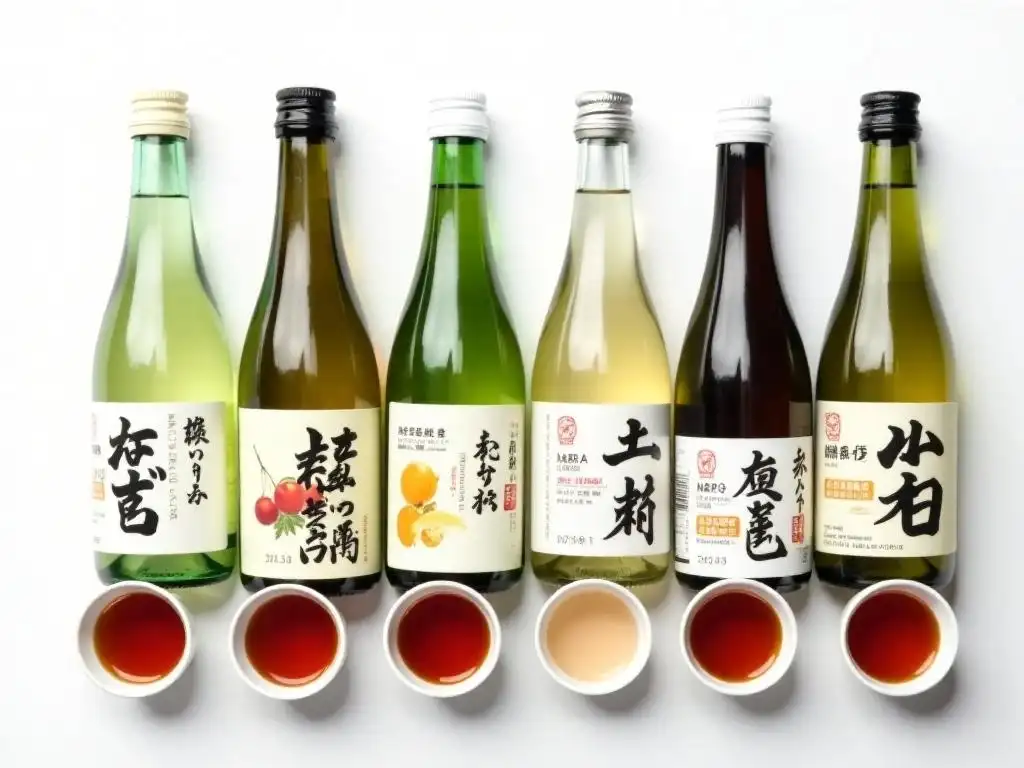
The history of Japanese sake is a rich tapestry woven through centuries, reflecting the cultural, social, and agricultural practices of Japan. Sake, often referred to as "nihonshu" (日本酒) in Japan, has evolved from its rudimentary origins to become a beloved beverage both domestically and internationally. This section explores the historical context of sake, tracing its origins, production methods, and significant developments through various periods of Japanese history.
Early Origins of Sake in Japan
The origins of sake date back over 1,000 years, with its earliest forms believed to be derived from a process known as nukazuke, where rice was chewed and fermented with saliva. This primitive method was practiced by the Jomon people, the earliest known inhabitants of Japan.
- Archaeological Evidence:
- Artifacts from the Jomon period (14,000 - 300 BCE) suggest that early Japanese communities were experimenting with fermented rice and grains.
- The oldest known sake, called kuchikami no sake (口噛みの酒), was produced by chewing rice and then spitting it into a container where natural fermentation occurred.
As rice cultivation began to spread throughout Japan, particularly during the Yayoi period (300 BCE - 300 CE), sake production became more refined. By the 8th century, with the establishment of rice as a staple crop, the brewing process began to evolve into something more recognizable as sake today.
Sake Production During the Heian Period
The Heian period (794 - 1185) marks a significant turning point in the history of sake. During this era, sake production transitioned from home brewing to more organized, large-scale production.
- Advancements in Brewing Techniques:
- The introduction of koji mold (Aspergillus oryzae) became crucial in sake fermentation, allowing for more efficient conversion of starches in rice to sugars, which are essential for fermentation.
- Brewing methods were documented in the Engishiki, a legal code compiled in the early 10th century, which included regulations for sake production and its use in religious ceremonies.
- Cultural Significance:
- Sake became an integral part of court rituals and ceremonies, symbolizing purity and celebration. The Heian aristocracy began to appreciate sake not only for its flavor but also for its role in social gatherings and religious offerings.
- The association of sake with Shinto rituals further entrenched its status as a sacred beverage, often used in offerings to deities.
The Impact of the Kamakura and Muromachi Periods on Sake Development
The Kamakura (1185 - 1333) and Muromachi (1336 - 1573) periods were crucial for the advancement of sake both in production and cultural significance.
- Expansion of Brewing:
- The rise of regional breweries and the use of improved brewing techniques allowed for a greater variety of sake to be produced, catering to different tastes and preferences across Japan.
- The establishment of sake guilds during the Kamakura period promoted standardization and quality control, ensuring that sake production adhered to specific guidelines.
- Sake in Society:
- Sake became increasingly popular among the samurai class, who used it to celebrate victories and mark important events. Its consumption began to spread beyond the court into local communities.
- The Muromachi period also saw the rise of sake tasting events, where different varieties of sake were showcased, leading to a burgeoning interest in regional differences in flavor and production methods.
- Cultural Integration:
- The integration of sake into arts and literature flourished during these periods, with poets and artists celebrating the beverage in their works.
- Sake was often included in traditional Japanese festivals, emphasizing its role in community bonding and cultural heritage.
The historical context of Japanese sake reveals a journey of transformation that mirrors the evolution of Japanese society itself. Understanding these early developments provides a foundation for appreciating the diverse varieties of sake available today and their significance in Japanese culture.
Types of Japanese Sake Varieties
Japanese sake, an integral part of Japan's culinary heritage, showcases a diverse array of varieties, each with its unique characteristics rooted in local traditions and historical significance. The complexity of sake production, influenced by regional climates, rice types, and brewing methods, results in a remarkable spectrum of flavors and aromas. Below, we explore some of the most notable sake varieties, focusing on Junmai and Ginjo.
Junmai: The Pure Rice Sake
Junmai sake, often referred to as "pure rice sake," is crafted exclusively from rice, water, yeast, and koji mold, without the addition of distilled alcohol. This purity is key to its identity, delivering a rich, full-bodied flavor profile that reflects the quality of its ingredients.
Characteristics and Flavor Profile of Junmai
Junmai sake is characterized by its robust flavor and creamy texture. It typically presents a balance of sweetness and acidity, with earthy and umami notes that can vary depending on the rice variety and brewing techniques used. The flavor can range from rich and hearty to crisp and refreshing, making it versatile for pairing with a wide variety of dishes.
- Common Flavor Notes:
- Earthy
- Nutty
- Fruity (apple, pear)
- Umami (savory)
The rice polishing ratio also plays a critical role in defining Junmai's quality. For instance, a lower polishing ratio (more of the rice grain is milled away) generally results in a more refined taste. Junmai can be enjoyed chilled, at room temperature, or warmed, depending on personal preference and the specific type of Junmai being consumed.
Historical Significance of Junmai in Japanese Traditions
Junmai has a storied history in Japan, dating back to the late Edo period (1603-1868). It was during this time that the brewing techniques began to evolve, leading to the popularization of pure rice sake. Historically, Junmai was often associated with festivals and religious ceremonies, symbolizing purity and simplicity.
Moreover, Junmai's role in Japanese culture extends beyond mere consumption; it has been a staple in Shinto rituals and other cultural practices, emphasizing its importance in spiritual and communal gatherings.
Ginjo: The Fragrant Sake
Ginjo sake is renowned for its fragrant and delicate flavor profile, attributed to the meticulous brewing process that incorporates highly polished rice and careful fermentation techniques.
The Crafting Process of Ginjo Sake
The crafting of Ginjo sake involves a rigorous process, starting with a rice polishing ratio of at least 60%, meaning that 40% of the rice grain is removed. This polishing enhances the sake's purity and contributes to its aromatic qualities.
The fermentation process for Ginjo is also distinct, utilizing lower fermentation temperatures and longer aging periods, which allow for the development of complex flavors. The result is a sake that is not only aromatic but also elegantly smooth.
- Key Steps in the Ginjo Brewing Process:
- Rice polishing (minimum 60% remaining)
- Koji mold cultivation
- Yeast starter (shubo) preparation
- Fermentation at controlled temperatures
Ginjo’s Popularity in Modern Japan
Ginjo has surged in popularity in modern Japan, particularly among younger consumers and those seeking a refined drinking experience. Its sophisticated profile makes it an excellent choice for pairing with gourmet meals, particularly seafood and lighter dishes.
The rise of craft breweries has also played a significant role in Ginjo's popularity, as many brewers experiment with various rice types, yeast strains, and brewing methods to create unique interpretations of this classic variety. Furthermore, international recognition has contributed to Ginjo's appeal, with many sake enthusiasts around the world eager to explore its fragrant and nuanced characteristics.
The understanding of Japanese sake varieties, particularly Junmai and Ginjo, not only highlights the complexity of sake production but also underscores its cultural and historical significance within Japan. As sake continues to evolve, its rich heritage remains a vital part of Japan's culinary narrative.
Daiginjo is often regarded as the pinnacle of sake varieties, celebrated for its exquisite taste and craftsmanship. This premium sake is made using highly polished rice, with at least 50% of the outer layer removed, resulting in a cleaner and more refined flavor profile. The brewing process for Daiginjo is meticulous, requiring careful temperature control and specific fermentation techniques, which together contribute to its light and fragrant quality. Typically, Daiginjo is served chilled, allowing its delicate aromas and flavors to shine through, making it a favorite among connoisseurs and those seeking a luxurious sake experience.
What Sets Daiginjo Apart from Other Varieties
Several factors distinguish Daiginjo from other sake varieties. Primarily, the degree of rice polishing is crucial; the more polished the rice, the higher the quality of the sake. For Daiginjo, the rice must be milled down to at least 50%, while other types, such as Ginjo, require a minimum of 40% polishing. Additionally, Daiginjo is often brewed using special yeast strains that enhance its floral and fruity aroma, providing a complexity that is not typically found in lower-grade sakes.
Furthermore, the brewing process involves a careful balance of ingredients, including high-quality water, koji mold, and yeast, all of which contribute to the final product's unique profile. The craftsmanship involved in creating Daiginjo is a testament to the brewers' skills, often referred to as "toji" in Japanese. This artistry results in a sake that is not only rich in flavor but also holds a significant place in Japanese culture and tradition.
The Role of Daiginjo in Celebratory Events
Daiginjo is often associated with special occasions and celebrations in Japan. Its premium status makes it a popular choice for weddings, anniversaries, and other significant life events. Traditionally, sake has been integral to Japanese ceremonies, symbolizing purity and the connection between the spiritual and earthly realms.
During celebratory events, Daiginjo is typically served in elegant glassware or traditional masu (square wooden cups), enhancing the experience. The act of pouring sake is often seen as a gesture of hospitality and respect, reinforcing the bonds between guests. Moreover, many consider Daiginjo the perfect pairing with a variety of Japanese dishes, particularly sushi, due to its ability to complement the flavors without overpowering them. This makes it a versatile choice for meals that celebrate Japan's rich culinary heritage.
Nigori: The Cloudy Sake
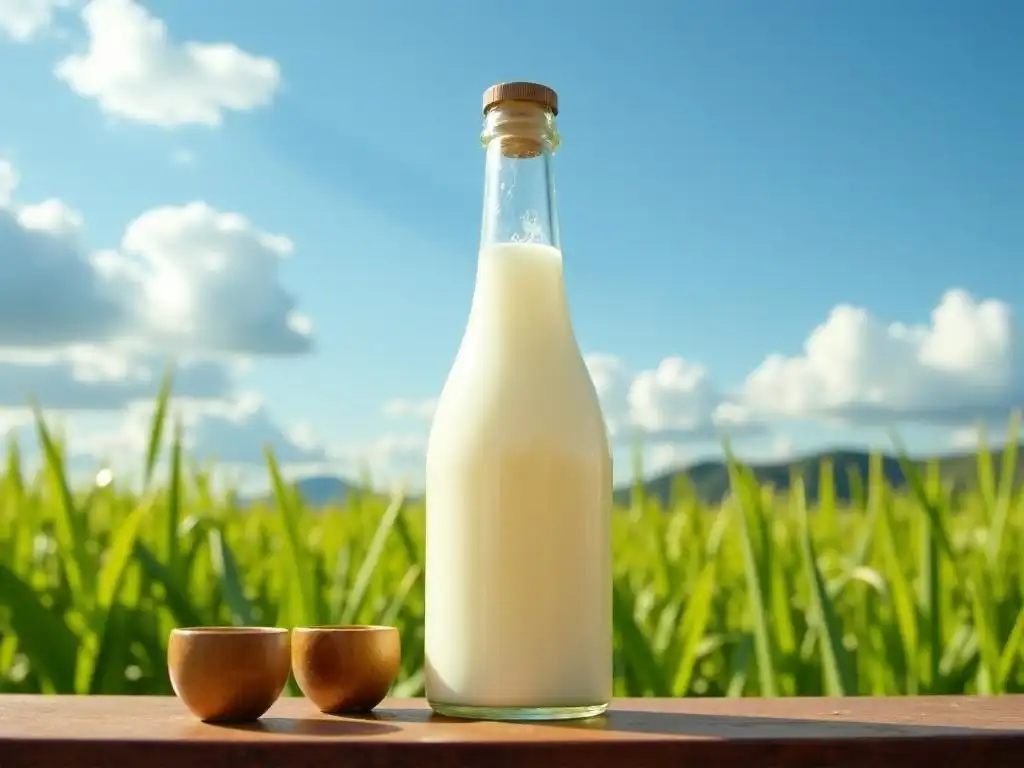
Nigori sake is characterized by its distinctive cloudy appearance, a result of the unfiltered brewing process that leaves behind some of the rice solids. This variety offers a unique taste experience, often sweeter and creamier than its filtered counterparts. The hallmark of Nigori is its texture, which can range from smooth to slightly gritty, depending on the brewing method. When served chilled, Nigori presents a delightful contrast to the more polished sakes, appealing to those who enjoy a fuller-bodied drink.
How Nigori is Made and Its Unique Taste
The production of Nigori involves a unique method that differentiates it from other sake varieties. After the fermentation process, Nigori is only partially filtered, allowing rice particles to remain suspended in the liquid. This results in its signature cloudiness and a rich, creamy mouthfeel.
The sweetness of Nigori can be attributed to the residual sugars from the rice, which is often milled less than that used for clearer sakes. This variety can also showcase a range of flavors, from fruity notes like melon and banana to earthy undertones, depending on the specific brewing techniques and ingredients used. As a result, Nigori sake can be enjoyed on its own or paired with a variety of dishes, from spicy Asian cuisine to rich desserts, making it a versatile choice for different palates.
Historical Context and Modern Appeal of Nigori Sake
Nigori sake has a deep-rooted history in Japan, dating back to the early days of sake brewing. Initially, the unfiltered nature of Nigori was a practical solution to the brewing process, as it allowed for quicker production and less meticulous filtering. However, as sake brewing evolved, Nigori became appreciated for its unique flavor and texture, eventually gaining popularity during the Edo period.
In contemporary times, Nigori has seen a resurgence in popularity, both in Japan and internationally. This renewed interest can be attributed to its approachable taste and the growing trend of craft beverages. Many sake breweries have embraced innovative brewing techniques and flavor profiles, leading to an explosion of Nigori varieties that cater to modern tastes. As consumers continue to seek out diverse and unique drinking experiences, Nigori sake remains a staple that bridges traditional Japanese practices with contemporary preferences, making it a beloved choice among sake enthusiasts today.
Futsushu: The Ordinary Sake
Futsushu, often referred to as "ordinary sake," holds a significant place in the intricate tapestry of Japanese sake varieties. This category encompasses a wide range of sake that is generally produced for everyday consumption, making it the most accessible and popular type of sake among the general populace. Unlike premium sake, which is meticulously crafted with high-quality rice and specific brewing techniques, futsushu is made with a focus on affordability and drinkability.
Typically, futsushu has a lower price point, catering to a broader audience and is often found in izakayas (Japanese pubs), restaurants, and convenience stores. While it may lack the refined complexity of premium sakes, futsushu still possesses the characteristic flavors and aromas of sake, making it a staple in many households. Understanding futsushu is essential to grasping the full spectrum of sake culture in Japan.
Understanding Futsushu and Its Place in Society
In the context of Japanese society, futsushu serves as a cultural bridge, familiarizing individuals with the drink's historical roots and traditional practices. Its production often employs a blend of sake rice, table rice, and added alcohol, which results in a smoother and lighter flavor profile. This method of production allows for mass availability, making futsushu a popular choice during festivals, celebrations, and everyday meals.
Futsushu’s role extends beyond mere consumption; it symbolizes the democratization of sake. While premium varieties like junmai and ginjo may be reserved for special occasions, futsushu embodies the casual enjoyment of sake in daily life. The communal aspect of sharing a bottle of futsushu among friends or family fosters connections and highlights the importance of social gatherings in Japanese culture.
Futsushu in Everyday Japanese Life
Futsushu is deeply embedded in the daily lives of many Japanese people. It is often served alongside traditional dishes such as sushi, sashimi, and grilled foods, enhancing the dining experience without overshadowing the flavors of the meal. The versatility of futsushu allows it to be enjoyed cold, warm, or at room temperature, making it adaptable to various culinary contexts and personal preferences.
Moreover, futsushu is often consumed in casual settings, such as family dinners or gatherings with friends. Its affordability makes it a go-to choice for those looking to enjoy a drink without breaking the bank. Many households keep a bottle of futsushu on hand, reflecting its status as a staple beverage.
In recent years, there has been a growing movement to elevate the appreciation of futsushu, encouraging consumers to explore the diverse flavors and profiles that different breweries offer. As a result, while futsushu may be viewed as ordinary, it plays a pivotal role in the everyday enjoyment of sake, bridging the gap between tradition and modernity in Japanese cuisine.
Regional Variations of Sake in Japan
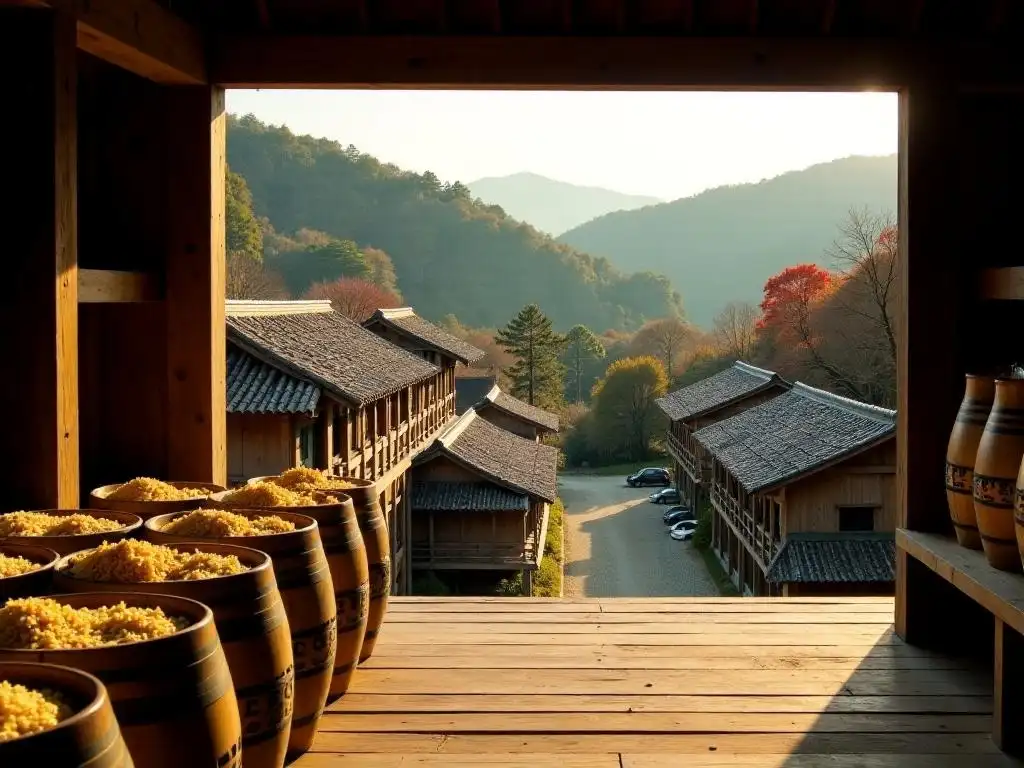
Japanese sake is not only a beverage but also a reflection of the diverse cultural and natural landscapes of its brewing regions. Each area boasts unique climates, water sources, rice varieties, and brewing techniques, which contribute to the distinct flavors and characteristics of the sake produced. Understanding these regional variations provides insight into the broader history of Japanese sake varieties and their significance in Japanese culture.
Exploring the Different Sake Brewing Regions
Japan is home to numerous sake brewing regions, each with its own heritage and identity. Some of the most renowned areas include:
- Niigata: Known for its clean, crisp sake, Niigata uses pure snowmelt water and high-quality rice, resulting in a well-balanced flavor.
- Hyogo: This region is famous for its premium sake, particularly the “Nada” area, where the local sake brewers are known for their meticulous methods.
- Akita: Akita sake is characterized by its rich, full-bodied flavor, often made with the local ‘Akitakomachi’ rice variety.
- Fukushima: This area has gained recognition for its diverse sake styles, with both traditional and innovative brewing methods.
Each of these regions has a historical narrative that contributes to the understanding of Japanese sake varieties history, showcasing the evolution of brewing practices over time.
The Unique Characteristics of Hokkaido Sake
Hokkaido, Japan's northernmost island, presents a unique climate that influences its sake production. The region experiences cold winters and a shorter brewing season, which has led to distinct characteristics in its sake.
- Water Source: Hokkaido is blessed with abundant natural springs. The soft water here, known for its purity, is essential in creating clean and refreshing sake.
- Rice Varieties: Sake brewers in Hokkaido often use locally grown rice, such as 'Yukihomare' and 'Hokkaido Sake Komachi', which impart a mild sweetness and depth of flavor.
- Flavor Profile: Hokkaido sake is typically lighter and crisper than that of other regions, making it an excellent pairing for the local seafood cuisine, such as sushi and sashimi.
Historically, Hokkaido's sake production began later than in other regions but has quickly gained a reputation for quality, reflecting the island’s commitment to craftsmanship.
The Distinct Flavors of Kyoto Sake
Kyoto, known as the ancient capital of Japan, has a long-standing tradition of sake brewing that dates back centuries. The city's sake is deeply intertwined with its cultural heritage, and several factors contribute to its unique flavor profile:
- Historical Significance: Kyoto's sake breweries, such as those in the Fushimi district, have been producing sake since the Heian period (794-1185). This rich history adds depth to the local brewing practices.
- Water Quality: The soft water of the Fushimi area is ideal for brewing sake, providing a smooth and delicate taste.
- Traditional Techniques: Many breweries in Kyoto still adhere to age-old techniques, including the use of 'kimoto' and 'yamahai' methods, which enhance the umami flavors in the sake.
The flavor profile of Kyoto sake is often described as elegant and refined, making it a popular choice for formal ceremonies and traditional dining experiences.
Honjozo: A Blend of Tradition and Innovation
Honjozo is one of the prominent sake types that exemplifies the balance of tradition and innovation in Japanese brewing. This sake is made by adding a small amount of distilled alcohol to the mash, which helps to enhance the flavors and aroma.
- Production Method: The addition of distilled alcohol allows for a more controlled fermentation process, resulting in a lighter and more aromatic sake. This method has roots in traditional practices but has evolved over time with modern techniques.
- Flavor Characteristics: Honjozo sake is typically characterized by its smooth texture and fragrant aroma, often described as having floral or fruity notes. It pairs well with a variety of foods, making it a versatile choice for different occasions.
- Cultural Significance: Honjozo has become increasingly popular among sake enthusiasts, representing a fusion of historical brewing methods and contemporary tastes.
The evolution of Honjozo reflects the dynamic nature of Japanese sake varieties history, showcasing how tradition can adapt while maintaining the essence of Japanese culture.
The Cultural Impact of Sake Through History
Sake in Feudal Japanese Ceremonies and Rituals
Sake has played a vital role in the ceremonial and ritualistic life of Japan, especially during the feudal era. In feudal Japan, sake was not merely a beverage; it was a sacred elixir that connected the living with the divine. Its consumption and use in rituals held significant cultural and spiritual meaning.
During religious ceremonies, sake was often offered to deities as a form of kami (spiritual essence) in Shinto practices. The act of sake-shinji, or sake offerings, was an integral part of various festivals and rituals, symbolizing purity and reverence. This ritualistic offering typically involved the careful preparation and presentation of the sake, often accompanied by elaborate ceremonial attire and specific rites.
In addition to Shinto, sake was integral to Buddhist rituals as well. Monks would use sake in their ceremonies, believing it promoted spiritual enlightenment and harmony. Notably, the Shakyō (copying of sutras) ceremonies often included sake offerings, emphasizing its importance in spiritual practice.
Moreover, during significant life events such as weddings, sake was central to the san-san-kudo ritual, where the couple takes three sips from three cups, symbolizing their union and the bond between families. This tradition highlights how sake transcended mere consumption, intertwining with significant cultural practices and social structures of the time.
Sake’s Influence on Japanese Arts and Literature
The essence of sake has permeated various aspects of Japanese arts and literature throughout history. Its presence is not just seen in ceremonial contexts but also in the creative expressions that emerged from the feudal era, reflecting the deep connection between sake and Japanese identity.
In literature, sake appears frequently in poetry and prose, often symbolizing both celebration and melancholy. Renowned poets like Matsuo Bashō and Yosa Buson incorporated sake into their haikus, using it as a metaphor for fleeting moments of joy and the impermanence of life. The imagery of sake often evokes vivid scenes of nature and social gatherings, illustrating its role in fostering connection among people.
The visual arts also embraced sake, with numerous paintings depicting scenes of sake consumption during festivals or gatherings. Artists like Utagawa Hiroshige portrayed the vibrant atmosphere surrounding sake, capturing the spirit of communal enjoyment and the seasonal beauty of Japan. These artworks not only highlight the cultural significance of sake but also serve as historical documents reflecting the societal norms and values of feudal Japan.
Furthermore, sake has influenced traditional performing arts, such as Noh and Kabuki theater. Performers often referenced sake in their dialogues and songs, reinforcing its cultural relevance. The connection between sake and theater illustrates how deeply entrenched this beverage was in the fabric of Japanese cultural life, serving as a bridge between the past and present.
The historical context of Japanese sake varieties is closely tied to its cultural impact, particularly in ceremonies, rituals, and artistic expressions. As a symbol of social cohesion, spiritual significance, and creative inspiration, sake has undeniably shaped the cultural landscape of Japan throughout its feudal history.
Modern Developments and Trends in Sake Production
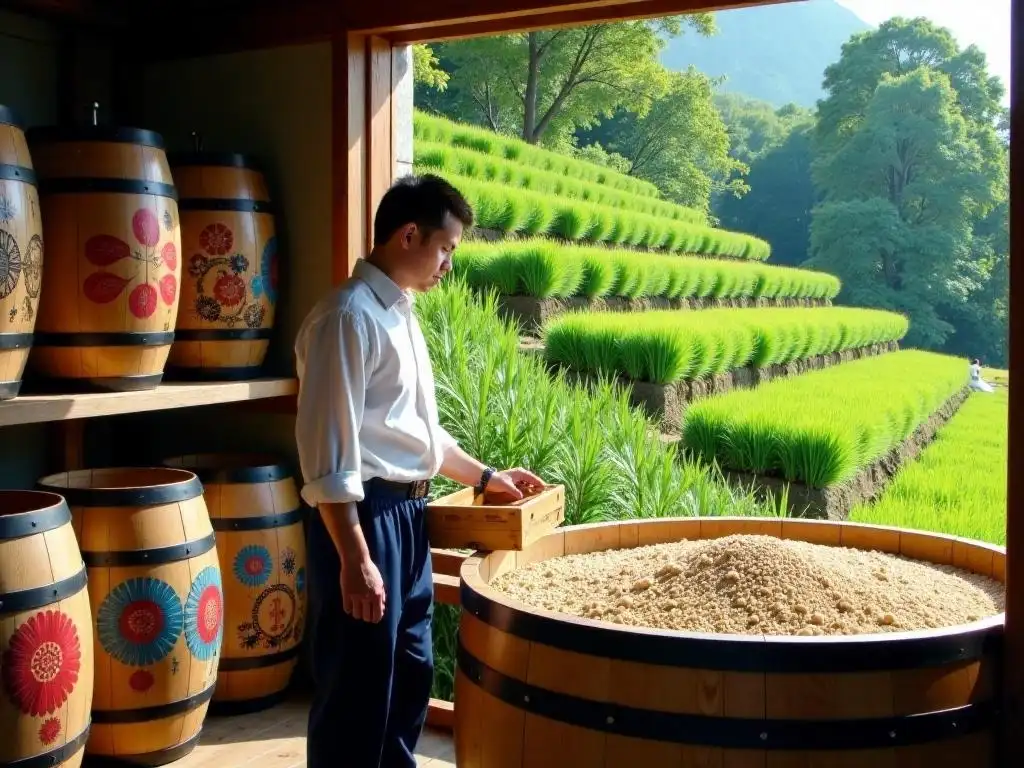
The Revival of Traditional Sake Brewing Techniques
In recent years, there has been a significant resurgence in the appreciation and application of traditional sake brewing techniques. This revival is driven by a growing interest in artisanal products and a desire among brewers to preserve the cultural heritage of sake. Traditional methods emphasize using high-quality, locally sourced ingredients, such as Yamada Nishiki rice, which is often regarded as the "king of sake rice" due to its superior qualities for brewing.
Key Aspects of Traditional Sake Brewing:
- Koji-Making: The process begins with the cultivation of koji, a mold that converts starches in rice into fermentable sugars. Traditional brewers often prefer to make koji by hand, which can enhance the flavor profile of the sake.
- Natural Fermentation: Many breweries are returning to natural fermentation processes, allowing wild yeasts and lactic acid bacteria to contribute to the sake's unique characteristics. This method can result in complex flavors that reflect the local terroir.
- Minimal Intervention: There is a movement towards minimal intervention during brewing, which means fewer additives and preservatives. This approach aligns with the modern consumer's demand for clean, natural products.
The focus on these traditional methods not only enriches the flavor and quality of sake but also connects consumers to the historical roots of this iconic beverage. Breweries that embrace these practices often share their stories and processes, fostering a deeper appreciation and understanding of sake's cultural significance.
Innovative Sake Varieties and Their Market Impact
As the global interest in sake continues to grow, innovative sake varieties are emerging, reflecting both creativity and adaptability in the market. These new styles often blend traditional practices with modern tastes, appealing to a diverse audience.
Notable Trends in Innovative Sake Varieties:
- Fruit-Infused Sake: Some brewers are experimenting with fruit flavors, such as yuzu, peach, and even berry-infused sake. These varieties cater to those who may find traditional sake too strong or unfamiliar, making it more accessible.
- Sparkling Sake: The introduction of sparkling sake has gained popularity, particularly among younger consumers. This effervescent version is often seen as a more playful and festive alternative, suitable for various occasions.
- Low-Alcohol and Alcohol-Free Options: With the rising trend of health-conscious consumption, many breweries are now offering low-alcohol and alcohol-free sake. These varieties allow drinkers to enjoy the unique flavors of sake without the effects of alcohol.
The impact of these innovative sake varieties on the market is profound. They not only attract new consumers but also open up opportunities for novel pairings with food, turning sake into a versatile beverage that complements various cuisines. As a result, sake is increasingly featured in fine dining settings and casual eateries alike, further solidifying its place in modern culinary culture.
The modern developments in sake production reflect a dynamic interplay between tradition and innovation. By reviving traditional brewing techniques and embracing new varieties, the sake industry is not only preserving its rich history but also shaping a vibrant future.
Conclusion: The Enduring Legacy of Japanese Sake Varieties
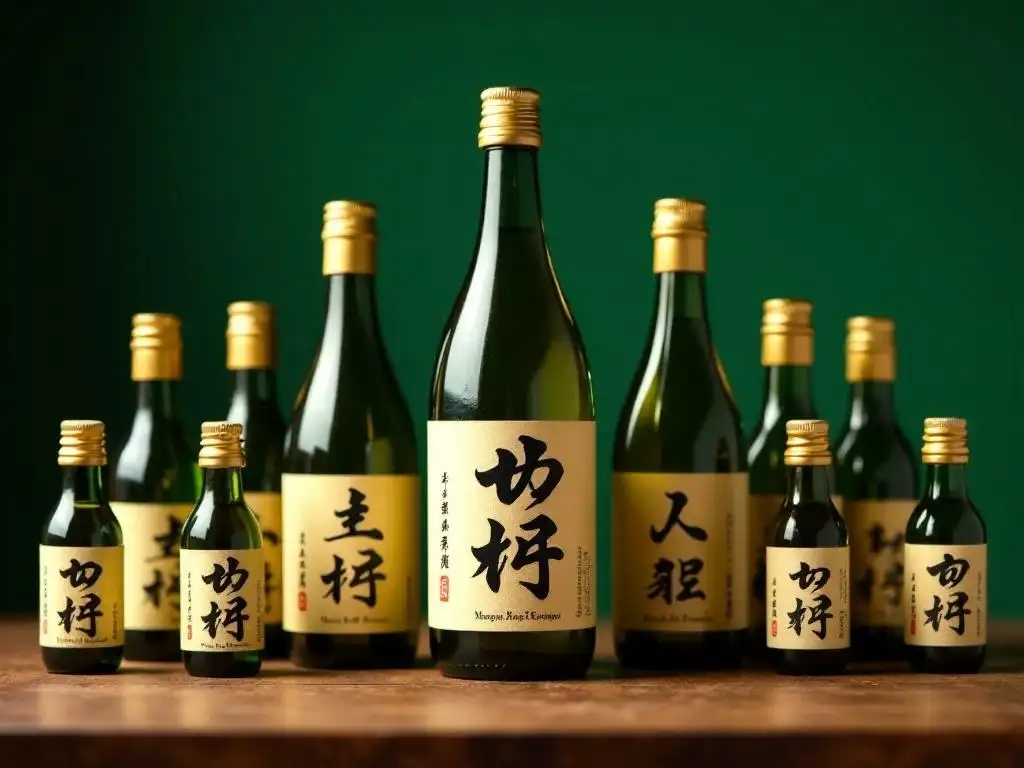
The story of Japanese sake is not merely about a beverage; it is a profound reflection of cultural evolution, tradition, and communal identity. As we look back on the rich history of Japanese sake varieties, we see how various brewing techniques and regional specialties emerged over centuries, shaped by local resources, climate, and customs. Each type of sake—be it Junmai, Ginjo, or Daiginjo—carries with it a narrative that intertwines with Japan's agricultural practices, social customs, and even its spiritual beliefs.
From its origins in ancient rituals to its current role in contemporary cuisine and celebrations, sake serves as a bridge connecting the past to the present. This enduring legacy is a testament to the skill of the toji (master brewers) and the dedication of the sake-making community. The meticulous art of brewing sake, including the precision in selecting rice types and the fermentation process, results in a diverse spectrum of flavors and aromas that cater to varying palates. Thus, understanding Japanese sake varieties history enriches one’s appreciation for this traditional beverage.
Reflection on the Historical Journey of Sake
The historical journey of sake is intricately linked to Japan's agricultural development. Rice cultivation, which began in Japan around 300 B.C., provided the foundation for sake production. Early forms of sake were rudimentary, often involving fermentation processes that were more akin to rustic brewing methods rather than the sophisticated techniques we see today.
As Japan entered the Heian period (794-1185), sake began to gain prominence in court culture, being consumed during religious ceremonies and festivals. By the Edo period (1603-1868), the sake industry experienced a transformation with the establishment of sake breweries, leading to the rise of regional varieties.
Key Milestones in Sake History
- 3rd Century A.D.: Sake-like beverages made from fermented rice are documented.
- Heian Period: Sake becomes integral to Shinto rituals and aristocratic festivities.
- Edo Period: The proliferation of sake breweries leads to the categorization of sake types.
- Meiji Restoration (1868): Modernization efforts introduce Western techniques, further refining the brewing process.
Each of these milestones not only marks a significant point in the evolution of sake but also reflects broader societal changes in Japan. The craftsmanship involved in sake production has been passed down through generations, ensuring that traditional techniques are preserved even amidst modernization.
The Future of Japanese Sake in Global Culture
As the world becomes increasingly interconnected, Japanese sake is finding its place on the global stage, attracting the attention of connoisseurs and casual drinkers alike. The appreciation for sake is growing beyond Japan's borders, with sake bars and breweries emerging in major cities worldwide. This burgeoning interest presents both opportunities and challenges for the sake industry.
Opportunities for Global Expansion
- Culinary Pairing: Sake's versatility as a pairing for various cuisines, especially with sushi and other Japanese dishes, is being widely recognized.
- Innovative Brews: Modern brewers are experimenting with flavors and techniques, creating unique blends that cater to international tastes.
- Cultural Exchange: Increased tourism and cultural exchanges facilitate a deeper understanding and appreciation of sake, further embedding it into global culinary traditions.
Challenges Faced
- Market Competition: As sake enters international markets, it faces competition from other alcoholic beverages, such as wine and craft beer.
- Preservation of Tradition: Balancing innovation with the preservation of traditional brewing methods is crucial for maintaining authenticity.
The future of Japanese sake is bright, filled with potential for cultural exchange and culinary innovation. As more people discover the rich history of Japanese sake varieties, there is hope that this cherished beverage will continue to thrive, fostering connections between Japan and the world. Through education and appreciation, the legacy of sake will not only endure but flourish in the global culture for generations to come.
Further Reading and Resources on Japanese Sake Varieties History
Recommended Books on Sake and Japanese Culture
Diving deeper into the history of Japanese sake varieties can greatly enhance your understanding and appreciation of this iconic beverage. Here are some recommended books that explore various aspects of sake and its cultural significance:
- "Sake: The History, Stories, and Craft of Japan's Iconic Drink" by Brian Ashcraft
- This book offers an engaging narrative that covers the origins of sake, its production process, and its role in Japanese culture. Ashcraft's storytelling makes it accessible for both novices and seasoned enthusiasts.
- "The Book of Sake: A Connoisseurs' Guide" by Philip Harper
- Written by a British sake brewer, this comprehensive guide delves into the intricacies of sake types, tasting notes, and food pairings, offering insights into the nuances of sake drinking culture.
- "Sake: A Modern Guide" by Tim McKirdy
- This contemporary take on sake includes modern brewing techniques and a focus on craft sake producers. The book compares traditional methods with innovative practices, providing a well-rounded view of the sake industry today.
- "The Essence of Sake: 60 Recipes with Sake" by Akiyo Ueda
- This cookbook goes beyond drinking sake, showcasing the versatility of sake in Japanese cuisine. Each recipe highlights how sake can enhance flavors in cooking, making it perfect for culinary enthusiasts.
- "Sake Confidential: A Japanophile's Guide to Sake and the Japanese Drinking Culture" by John Gauntner
- Gauntner, an expert in sake, provides readers with an insider's perspective on the sake industry, including tips on selecting and enjoying sake, as well as exploring its historical context.
Useful Websites for Exploring Japanese Sake
For those looking to expand their knowledge of Japanese sake varieties and their historical context, several online resources provide valuable information:
-
Sake World
A comprehensive resource for sake lovers, Sake World offers articles, tasting notes, and educational guides about different sake varieties and brewing techniques.
-
The Sake Information Center
This site is dedicated to promoting sake culture and education. It features a wealth of information on sake types, regional differences, and tasting events.
-
Japan Sake and Shochu Makers Association
The official site of the association provides insights into the sake industry, including statistics, production methods, and links to breweries across Japan.
-
Sake Guru
A blog that covers everything from sake recommendations to detailed articles about the brewing process and sake's role in Japanese culture, making it a great resource for enthusiasts.
-
Sake Social
This interactive platform connects sake lovers with producers, offering online tastings and educational content about various sake varieties, their history, and cultural significance.
By exploring these books and websites, readers can gain a deeper appreciation for the history of Japanese sake varieties and their integral role in Japanese culture and cuisine.
Frequently Asked Questions
What are the main types of Japanese sake varieties?
There are several types of Japanese sake, including Junmai, Ginjo, and Daiginjo, each distinguished by their rice polishing ratios and brewing techniques.
How has sake brewing evolved throughout feudal Japan?
The history of sake brewing in feudal Japan reflects changes in agriculture, technology, and cultural practices, impacting the flavor and production methods of sake over centuries.
What role did sake play in Japanese culture during the feudal era?
Sake was not only a beverage but also held significant ceremonial and religious importance, often used in rituals and celebrations, symbolizing purity and harmony.
How can one appreciate the historical context of different sake varieties?
Understanding the historical context involves exploring the regional differences, brewing methods, and cultural significance tied to each variety, enriching the experience of tasting sake.
What factors influence the taste and quality of sake?
The taste and quality of sake are influenced by factors like rice type, water quality, yeast selection, and the brewing process, all of which have historical significance in their development.
Final Reflection: Embracing the Rich Tapestry of Japanese Sake Varieties
The exploration of Japanese sake varieties is not merely an academic pursuit; it is a journey through time that connects us to the cultural heritage of Japan. As we delve into the historical context of these diverse sake types, we uncover the intricate relationship between tradition and innovation that continues to shape the world of sake today. The appreciation of sake is not just about tasting a beverage; it is about understanding the stories, craftsmanship, and rituals that have evolved over centuries.
Cultural appreciation is a powerful tool that fosters connection and understanding. The history of Japanese sake varieties reveals how this beloved drink has influenced social gatherings, celebrations, and even spiritual practices throughout Japan. As we reflect on the ongoing impact of sake, we are reminded of the words of sake expert John Gauntner: Sake is not just a drink; it is a reflection of the culture and the people who produce it.
This sentiment underscores the importance of recognizing sake as a living tradition that continues to thrive and adapt in our modern world.
As you savor your next glass of sake, I invite you to take a moment to reflect on the rich history and cultural significance behind each variety. Consider how these lessons of craftsmanship, community, and tradition can inspire your own life. Whether you are a seasoned sake enthusiast or a curious newcomer, let the stories of Japanese sake varieties encourage you to explore, appreciate, and share the beauty of this remarkable beverage with others. Embrace the journey, and allow the spirit of sake to deepen your connection to the world around you.
Explore the Rich Tapestry of Sake Today!
Thank you for diving into the fascinating world of sake varieties and their historical significance! You've gained valuable insights into this traditional beverage that has shaped culture and craftsmanship throughout Japanese history. Now, it's time to take your newfound knowledge further.
Here are a few actionable steps you can take to deepen your appreciation for sake:
- Taste a variety of sake: Visit a local sake brewery or Japanese restaurant to sample different types and discover your personal favorites!
- Join a sake tasting event: Engage with fellow enthusiasts and broaden your understanding by attending a workshop or tasting session in your area.
- Share your experience: Write about your sake journey on social media or start a conversation in your community—let others in on your discoveries!
Which sake variety are you most excited to explore next, and how does it connect to your newfound understanding of its rich history?