
The Battle of the Ages: Key Weapons Used in Major Feudal Conflicts

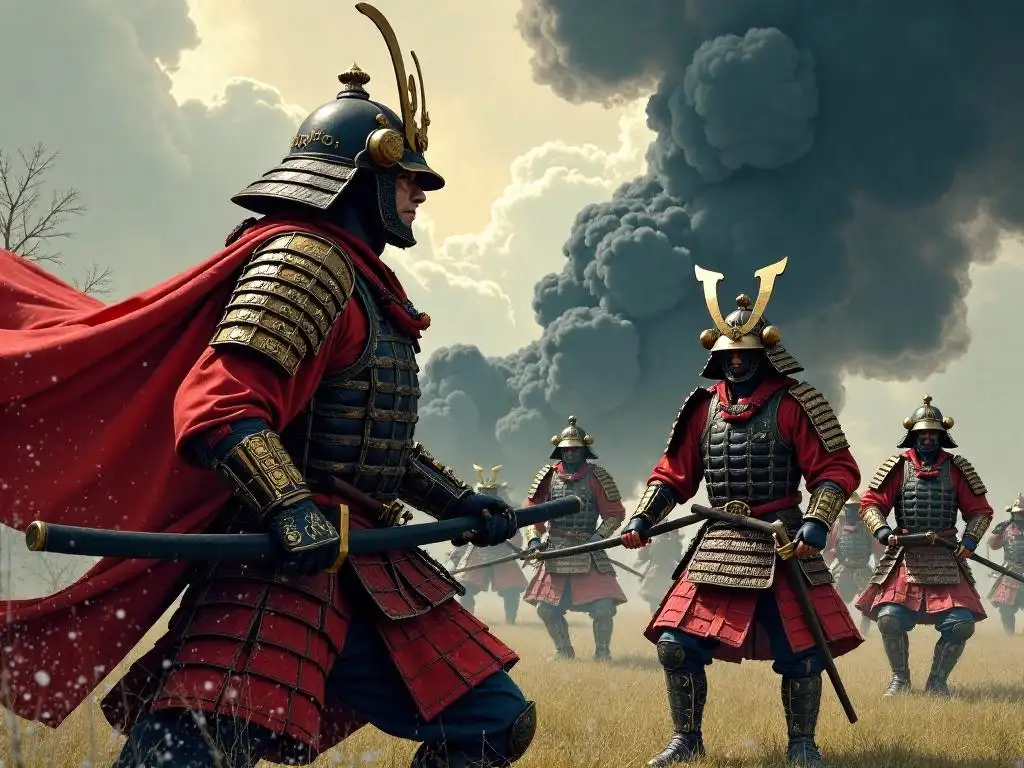
Welcome to Feudal Japan History, where we invite you to embark on a captivating journey through the intricate tapestry of Japan’s feudal era. Here, we delve deep into the military history that shaped a nation, uncovering the feudal Japan key weapons that played pivotal roles in the battles of the ages. What were the secrets behind the legendary swords and armor that defined this tumultuous time? As you explore our expertly crafted articles, prepare to uncover the fascinating stories and cultural significance behind these formidable tools of war. Dive in, and let your curiosity lead the way!
Introduction to Feudal Japan Key Weapons
The feudal era of Japan, spanning from the late 12th century to the early 17th century, was marked by a series of intense conflicts that shaped the nation's military landscape and societal structure. During this tumultuous period, various factions battled for power, territory, and influence, leading to the development of distinct military strategies and innovations in weaponry.
Understanding the feudal Japan key weapons not only highlights the technological advancements of the time but also provides insight into the cultural significance of these arms in the broader context of Japanese history. This article will delve into the key weapons used in major feudal conflicts, exploring their evolution and impact on warfare.
Overview of Feudal Japan's Military Landscape
Feudal Japan's military organization was characterized by a decentralized system where local lords, or daimyō, wielded significant power. They maintained private armies composed of samurai, who were not only warriors but also adhered to a strict code of honor known as bushidō. This societal structure created a unique environment where loyalty, skill, and martial prowess were paramount.
The military landscape was diverse, with various clans vying for dominance. Key features included:
- The Role of Samurai: Trained in martial arts and tactics, samurai were the elite warriors of feudal Japan. Their skills in handling weapons and horseback riding were crucial in battles.
- Clan Warfare: Conflicts often arose between powerful clans, leading to prolonged wars that required innovative military strategies and weaponry.
- Adaptation and Evolution: As warfare evolved, so too did the weapons used. This period saw the introduction of new materials and designs, influenced by trade and foreign interactions.
Importance of Weaponry in Feudal Conflicts
The significance of weaponry in feudal conflicts cannot be overstated. Weapons were not merely tools of war; they symbolized status, honor, and the martial spirit of the samurai. Key aspects include:
- Cultural Symbolism: Certain weapons, such as the katana, represented the soul of the samurai and were often intricately designed with spiritual meanings.
- Technological Innovations: The period witnessed advancements in weapon technology, including the development of firearms and siege equipment, which transformed traditional combat methods.
- Strategic Value: Different weapons were suited to various combat scenarios, influencing tactics and formations on the battlefield.
Major Feudal Conflicts in Japan
Throughout feudal Japan, several major conflicts defined the era and showcased the evolution of weaponry. These battles not only shaped the political landscape but also led to significant advancements in military technology.
The Genpei War: A Turning Point in Weaponry
The Genpei War (1180-1185) marked a pivotal moment in Japanese history, as the Minamoto and Taira clans clashed for control of the imperial throne. This conflict introduced several key weapons that would become staples in samurai warfare:
- Tachi and Katana: The tachi, an early form of the katana, was prevalent during this time. Its curved blade allowed for effective slashing attacks, which were crucial in mounted combat.
- Yari (Spear): The use of the yari became more widespread, providing infantry with a significant advantage against cavalry charges.
The Onin War: Evolution of Military Tactics and Arms
The Onin War (1467-1477) exemplified the chaotic nature of feudal Japan and the evolution of military tactics. This conflict saw the rise of fortified castles and a shift in warfare strategies:
- Firearms Introduction: The introduction of arquebuses changed the dynamics of battle. Their effectiveness in ranged combat prompted samurai to adapt their tactics.
- Castle Sieges: The development of siege weaponry, such as catapults and battering rams, became essential in the prolonged conflicts between rival factions.
The Sengoku Period: The Age of Warring States and Armament
The Sengoku Period (1467-1603) is often referred to as the "Age of Warring States," where numerous clans fought for supremacy. This era is characterized by significant advancements in weaponry and military organization:
- Mass Production of Weapons: The demand for weapons led to the establishment of workshops dedicated to the mass production of swords and armor.
- Diverse Arsenal: Warriors utilized a variety of weapons including the naginata (polearm), tanto (dagger), and cannons, reflecting the diverse combat scenarios faced during this period.
The exploration of feudal Japan key weapons reveals a complex interplay between societal values, technological innovations, and the brutal realities of conflict. Each major war not only altered the course of Japanese history but also left an indelible mark on its military heritage. As we continue to delve deeper into these conflicts, the integral role of weaponry will become increasingly evident, shaping our understanding of feudal Japan's legacy.
Types of Key Weapons in Feudal Japan
Feudal Japan was characterized by a diverse array of weaponry, each designed for specific combat scenarios and reflecting the evolving tactics of warfare. The weapons used during this period not only served practical purposes but also held significant cultural and symbolic meanings. This section explores the primary categories of weapons that played pivotal roles in major feudal conflicts.
Bladed Weapons: The Soul of Samurai Warfare
Bladed weapons were quintessential to the samurai, symbolizing honor, skill, and status. The most iconic among them is the katana, a single-edged sword characterized by its curved, thin blade, which was designed for cutting rather than thrusting. The katana was not merely a weapon; it was an extension of the samurai's soul, meticulously crafted and often adorned with intricate designs.
- Types of Bladed Weapons:
- Katana: Known for its sharpness and craftsmanship, it became a symbol of the samurai class.
- Tanto: A small dagger that was often used for close combat and as a sidearm.
- Wakizashi: A shorter companion sword to the katana, used for indoor fighting and ritual suicide (seppuku).
- Naginata: A polearm with a curved blade, combining features of sword and spear, favored by both samurai and warrior monks (sohei).
The katana and its counterparts were not just weapons; they were art forms, with each blade crafted using traditional techniques passed down through generations. Their effectiveness in battle is attributed to the samurai's rigorous training and adherence to the bushido code, which emphasized skill, honor, and discipline.
Polearms: Versatility and Reach in Battle
Polearms emerged as essential weapons on the feudal battlefield, offering versatility and reach that bladed weapons often lacked. These weapons allowed warriors to engage enemies from a safer distance, making them valuable in various combat situations.
- Key Types of Polearms:
- Yari: A spear that could be used for thrusting or throwing, adaptable in both infantry and cavalry formations.
- Naginata: As mentioned previously, its long reach allowed for sweeping attacks, making it effective against multiple foes.
- Tanto: Though primarily a bladed weapon, it could also be utilized in conjunction with polearms for close-range combat.
Polearms were particularly favored by foot soldiers and ashigaru (footmen) due to their effectiveness in massed formations. The combination of reach and leverage made them formidable against cavalry and heavily armored opponents.
Projectile Weapons: The Art of Ranged Warfare
In addition to melee combat, projectile weapons played a critical role in the tactics employed during feudal conflicts. These weapons allowed for ranged attacks, enabling warriors to strike from a distance before engaging in close combat.
- Types of Projectile Weapons:
- Yumi: The traditional Japanese longbow, known for its impressive range and accuracy, was a staple among samurai archers.
- Teppo: The introduction of firearms, particularly matchlock guns, in the 16th century marked a significant shift in warfare dynamics.
- Shuriken: Often overlooked, these star-shaped throwing weapons were used for distraction or to injure opponents.
The mastery of archery and the later adoption of firearms transformed battle strategies, leading to a more complex interplay of ranged and melee combat. Archers were often positioned behind infantry lines to provide covering fire, showcasing the importance of coordinated assaults.
The Development of Armor and Defensive Gear
The evolution of weapons in feudal Japan directly influenced the development of armor and defensive gear. As combat techniques progressed, so too did the need for effective protection, leading to innovations in armor design that reflected both functionality and artistry.
Samurai Armor: Protection and Symbolism
Samurai armor, known as yoroi, was meticulously crafted to provide both protection and mobility. These armors were often made from lacquered leather and iron plates, designed to withstand the rigors of battle while allowing for agility.
- Key Features of Samurai Armor:
- Kabuto: The helmet, often adorned with crests and symbols, served to protect the head while also showcasing the samurai’s identity.
- Dō: The chest armor, designed to shield vital organs, was often elaborately decorated, reflecting the wearer’s status.
- Sode: The shoulder guards provided additional protection without hindering movement.
Armor not only served a practical purpose but also acted as a status symbol. The ornate designs and materials used in samurai armor often communicated the warrior’s rank and lineage, with the best armors becoming heirlooms passed down through generations.
Changes in Armor Design Due to Weaponry Advancements
As weaponry advanced, particularly with the introduction of firearms and more powerful melee weapons, armor design underwent significant changes to address new battlefield realities.
- Key Changes:
- Increased Coverage: Armor began to cover more areas of the body to protect against ranged attacks, leading to bulkier designs.
- Material Innovation: The use of heavier metals and layered construction became common to withstand the impact of muskets and arrows.
- Mobility Considerations: Despite increased protection, there was a constant effort to balance weight with mobility, leading to innovative designs that allowed for greater freedom of movement.
These changes reflected a dynamic adaptation to the evolving nature of warfare during the feudal period, ensuring that samurai remained formidable on the battlefield despite the threats posed by new weaponry.
Cultural Significance of Weapons in Feudal Japan
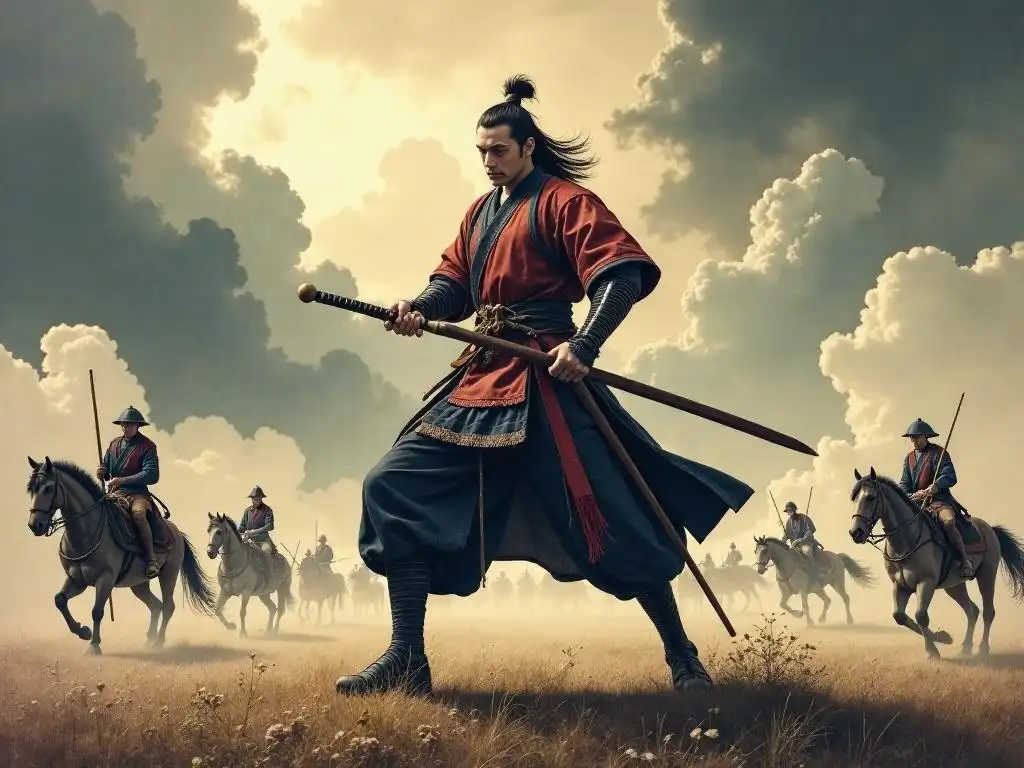
In feudal Japan, weapons were not merely tools of war; they held deep cultural and spiritual significance. The samurai, the warrior class of this era, viewed their weapons as extensions of themselves. Each weapon carried stories of honor, loyalty, and the samurai's personal journey.
The katana, for example, was not just a sword; it embodied the soul of the samurai, symbolizing their commitment to the bushido code—a moral code of conduct emphasizing loyalty, honor, and bravery. The craftsmanship involved in creating these weapons, particularly the katana, further elevated their status. Artisans dedicated their lives to perfecting the techniques used to forge these blades, often imbuing them with spiritual significance and individual character.
Additionally, weapons played a vital role in rituals and ceremonies. For instance, the act of presenting a sword was often linked to feudal lords bestowing honor upon their vassals, solidifying loyalty and reinforcing social hierarchies. The ceremonial use of weapons also manifested in various forms of art, literature, and theater, where they were depicted as symbols of virtue or as instruments of downfall, reflecting the complexities of the human experience in feudal Japan.
The Role of Weapons in Samurai Culture and Code
Weapons were integral to the identity of samurai warriors and their adherence to the bushido code. This code dictated not only the conduct of the samurai in battle but also their behavior in everyday life. Mastery of weaponry was a crucial aspect of a samurai’s training; they were taught not only to wield their weapons skillfully but also to understand the philosophy behind their use. The katana became an object of meditation and discipline, symbolizing the balance between life and death.
Samurai were trained in various forms of combat, adapting their skills to different weapons such as the naginata (a polearm) and yumi (longbow). Each weapon type required distinct techniques and strategies, reflecting the adaptability and resourcefulness of the samurai. Moreover, the duality of a samurai’s life—warrior and philosopher—was often encapsulated in their relationship with weapons, wherein the act of combat was seen not just as a physical endeavor but as a means to achieve spiritual enlightenment.
Weapons as Status Symbols in Feudal Society
In feudal Japan, the type and quality of weapons one possessed were crucial indicators of social status. The samurai class, being the elite warriors, often carried finely crafted swords and armor, distinguishing themselves from the lower classes. The katana, particularly, was a symbol of honor; it was customary for samurai to wear two swords, a long one (katana) and a short one (wakizashi), which represented their rank and status.
Wealthy samurai would often commission elaborate and intricately designed weapons, showcasing their affluence and taste. The decoration of these weapons, often with precious materials and artistic engravings, further emphasized their status. In contrast, commoners were restricted from carrying weapons, which reinforced the social hierarchy and the notion that only those of noble birth were entitled to wield such power and prestige. This stratification fostered a culture where weapons were not only practical tools but also critical components of identity and social order.
Conclusion: The Legacy of Feudal Japan Key Weapons
The weapons of feudal Japan have left an indelible mark on both Japanese culture and military history. Their craftsmanship, artistry, and symbolism continue to resonate in contemporary Japan, where traditional martial arts and sword-making practices are preserved. The legacy of these weapons extends beyond their physical forms; they embody the values and virtues that shaped Japanese society during the feudal era.
Impact of Feudal Weapons on Modern Japanese Culture
Modern Japanese culture still reverberates with the influence of feudal weapons. The samurai ethos, characterized by honor and discipline, is celebrated in various forms of media, including films, anime, and literature. Traditional martial arts, such as kendo and iaido, emphasize the techniques and philosophies developed during the feudal period, allowing practitioners to connect with their historical roots. Events such as sword exhibitions and festivals also highlight the ongoing appreciation for these weapons, showcasing their historical significance and aesthetic beauty.
Lasting Influence on Global Military History
The innovations and strategies developed during the feudal period in Japan have had a profound impact on global military history. The samurai's approach to warfare, which combined skillful swordsmanship with tactical ingenuity, influenced military practices far beyond Japan's borders. As Western nations encountered Japan during the late 19th century, they were introduced to these unique martial traditions, which sparked interest in samurai culture and weaponry.
Moreover, the principles of honor and discipline that defined the samurai's relationship with their weapons have been echoed in military codes worldwide, shaping the conduct of warriors across different cultures and eras. The legacy of feudal Japan's key weapons remains a vital part of both Japan's national identity and the broader narrative of military evolution across the globe.
References
The study of feudal Japan and its weaponry draws upon numerous historical records, scholarly articles, and primary sources that illuminate the intricacies of military strategies, weapon designs, and their cultural significance. Below is a collection of references that provide a broader understanding of the key weapons used in major feudal conflicts.
Suggested Further Reading on Feudal Japan and Its Weaponry
-
"The Samurai: A Military History" by Stephen Turnbull
This book offers a comprehensive overview of the samurai's role in feudal Japan, including detailed descriptions of weapons and armor used in combat.
-
"Warriors of Japan: From Sumo to Samurai" by John M. Smith
An engaging exploration of Japan's martial traditions, this title discusses the evolution of weaponry and the societal implications of warfare throughout different periods.
-
"The Book of Five Rings" by Miyamoto Musashi
Written by the famed swordsman, this classic text provides insights into the philosophy of combat, strategy, and the importance of weapon mastery in feudal Japan.
-
"Samurai Weapons: A Modern Study of the Weapons of the Samurai" by Anthony J. Bryant
This book delves into the specific weapons used by samurai, including the katana and naginata, exploring their design, purpose, and impact in battles.
-
"The Art of War in Ancient Japan" by Kenneth H. Shimozaki
This text examines the strategies and tactics employed during feudal conflicts, highlighting the significance of various weapons in achieving military success.
Notable Historical Texts on Japanese Military History
-
"The Chronicles of Japan" (Nihon Shoki)
Compiled in the 8th century, this historical record provides a detailed account of Japan's early history, including references to military conflicts and the weaponry of the time.
-
"Taiheiki"
A historical epic that narrates the events of the Nanboku-chō period, offering insights into the battles, weapons, and military strategies employed during feudal Japan.
-
"The Tale of the Heike"
This epic account chronicles the rise and fall of the Taira and Minamoto clans, providing valuable information on the weapons and warfare tactics used during the Genpei War.
-
"The Shōgun's Shadow" by James H. McCullough
Focusing on the strategies of the shogunate, this text examines the military organization and the critical role of weaponry in the governance of feudal Japan.
-
"The Rise of the Samurai" by David J. McCullough
This work traces the evolution of the samurai class and their weaponry from the Heian period through the Sengoku period, providing an in-depth analysis of their significance in Japanese history.
These references and further reading materials not only enhance the understanding of feudal Japan's key weapons but also offer context to the military conflicts that shaped the nation's history.
- Introduction to Feudal Japan Key Weapons
- Major Feudal Conflicts in Japan
- Types of Key Weapons in Feudal Japan
- The Development of Armor and Defensive Gear
- Cultural Significance of Weapons in Feudal Japan
- Conclusion: The Legacy of Feudal Japan Key Weapons
- References
- What were the key weapons used in feudal Japan's major battles?
- How did the katana influence samurai culture?
- What role did archery play in feudal Japanese warfare?
- Were there any significant changes in weaponry throughout the feudal period?
- How did the design and craftsmanship of weapons reflect feudal Japan's society?
Frequently Asked Questions
What were the key weapons used in feudal Japan's major battles?
The key weapons included the katana, naginata, and yumi (longbow), each playing a pivotal role in combat strategies during the era.
How did the katana influence samurai culture?
The katana was more than just a weapon; it symbolized honor and status among the samurai, embodying their bushido code and cultural identity.
What role did archery play in feudal Japanese warfare?
Archery, particularly with the yumi, was crucial for long-range combat, allowing warriors to engage enemies before they could close in for hand-to-hand fighting.
Were there any significant changes in weaponry throughout the feudal period?
Yes, the introduction of gunpowder weapons and firearms in the late feudal period marked a significant shift in warfare, altering traditional combat tactics.
How did the design and craftsmanship of weapons reflect feudal Japan's society?
The design and craftsmanship of weapons like the katana showcased the high level of artistry and skill, reflecting the cultural values and technological advancements of the time.
Final Reflection: The Enduring Legacy of Feudal Weapons
The exploration of feudal Japan's key weapons reveals not only the ingenuity of a bygone era but also their profound relevance in understanding modern conflict and culture. The intricate craftsmanship and strategic significance of these weapons serve as a testament to the resilience and adaptability of societies facing turmoil. As we reflect on the past, we uncover lessons that resonate deeply in today's world, where the echoes of historical battles continue to shape our understanding of power and conflict.
The influence of these weapons extends beyond the battlefield; they have become symbols of cultural identity and heritage. The artistry involved in crafting swords like the katana or the tactical innovations seen in the use of the yumi (longbow) reflect a society that valued both beauty and functionality. As we consider the ongoing fascination with these weapons in popular culture, we recognize their role in shaping narratives and identities. History is not a burden on the memory but an illumination of the soul.
This quote encapsulates how our understanding of feudal Japan's weaponry can illuminate our present, reminding us of the values and lessons embedded in our history.
As we conclude this exploration, I invite you to reflect on the significance of these historical weapons in your own life. Consider how the principles of strategy, craftsmanship, and resilience can be applied to your personal challenges and aspirations. Let the stories of these feudal weapons inspire you to forge your own path, embracing the lessons of the past while looking forward to the future. Engage with history not just as a series of events, but as a living narrative that continues to shape who we are today.
Unveil the Weapons of Feudal Warfare!
Thank you for diving into the fascinating world of feudal conflicts with us! We hope you gained valuable insights into the key weapons that shaped history. Now it's time to take action and deepen your understanding even further.
- Explore a local museum or historical site that showcases feudal weaponry. Immerse yourself in the rich heritage and experience these remarkable artifacts up close!
- Share this article with a friend or fellow history enthusiast to spark an engaging conversation about the warfare techniques of the past and their influence on modern tactics.
- Consider joining an online forum or community group dedicated to feudal history to connect with others who share your passion and exchange ideas.
Which weapon from the feudal era interests you the most, and how do you think it influenced the outcomes of battles?