
Feudal Alliances: How Naval Power Shaped Political Landscapes

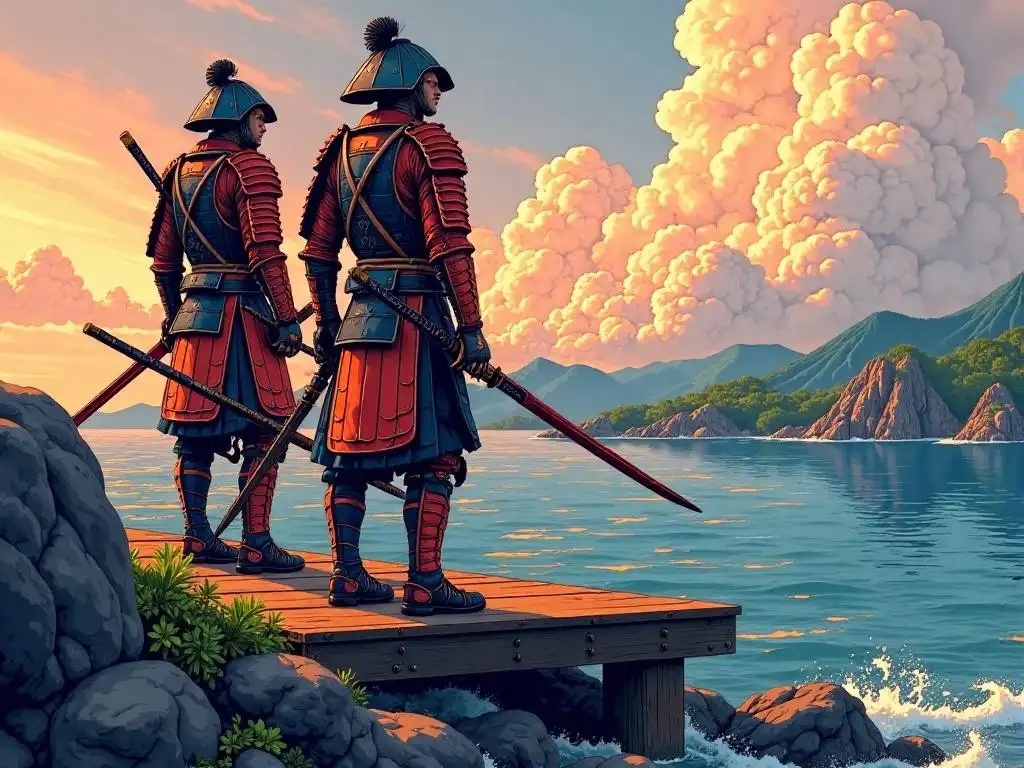
Welcome to Feudal Japan History! Dive into the captivating world of feudal Japan, where naval power not only influenced military strategies but also reshaped political alliances and societal structures. In our featured article, "Feudal Alliances: How Naval Power Shaped Political Landscapes," we unravel the intricate connections between maritime strength and the shifting tides of power during this fascinating era.
Join us on this journey as we explore the hidden depths of Japan's past, revealing how the seas were not just routes for trade, but battlegrounds that defined the fate of nations. Are you ready to set sail into the depths of history?
- Introduction to Naval Power in Feudal Japan
- The Role of Naval Power in Feudal Alliances
- Historical Context of Naval Power in Feudal Japan
- Case Studies of Feudal Alliances Influenced by Naval Power
- The Cultural Impact of Naval Warfare on Feudal Society
- Conclusion: The Lasting Legacy of Naval Power in Feudal Japan
- Frequently Asked Questions
- Final Reflection: The Enduring Legacy of Naval Power in Feudal Japan
- Seize Your Naval Power: Shape Your Understanding of Feudal Japan!
The era of feudal Japan, spanning from the late 12th century to the early 17th century, was marked by a complex interplay of political intrigue, cultural evolution, and military strategy. Among the various factors that shaped this dynamic period, naval power emerged as a crucial element that greatly influenced political landscapes and alliances.
As regional warlords, or daimyos, rose to prominence, their control over maritime routes and naval fleets became pivotal in securing resources, asserting dominance, and establishing alliances. This article delves into the intricate relationship between naval power and the political dynamics of feudal Japan, highlighting how naval capabilities not only served military purposes but also played a significant role in shaping the socio-political fabric of the time.
Overview of Feudal Japan's Political Landscape
During the feudal period, Japan was characterized by a decentralized political structure where power was fragmented among various feudal lords. The shogunate system, particularly the Kamakura and Ashikaga shogunates, dominated the political scene. These shoguns wielded power over the samurai class, but their authority was often challenged by rival daimyos seeking to expand their territories. This environment fostered a constant struggle for power, with alliances being formed and broken based on shifting circumstances.
- The political landscape was heavily influenced by:
- Regional Rivalries: The constant conflict among daimyos often led to military alliances and betrayals.
- Resource Control: Access to resources such as rice, timber, and trade routes dictated power dynamics.
- Cultural Influence: The spread of Zen Buddhism and Confucian ideals also played a role in governance and societal structure.
Naval power became essential not only for direct military engagements but also for securing trade routes and establishing political dominance over coastal regions. Control of the seas enabled daimyos to transport troops, engage in piracy, and protect their interests against rivals.
Naval warfare during feudal Japan was more than just a means of combat; it was a strategic necessity that shaped the course of political alliances and territorial expansion. The significance of naval power can be understood through various dimensions:
- Military Strategy: The ability to launch maritime assaults provided a tactical advantage over land-based forces. Major conflicts such as the Genpei War showcased the importance of naval operations, with the Minamoto clan leveraging their naval fleet to gain a decisive edge.
- Economic Impact: Control over maritime trade routes facilitated economic growth for certain daimyos, allowing them to amass wealth and resources that would enhance their military capabilities and influence.
- Cultural Exchanges: Naval expeditions often resulted in cultural exchanges with neighboring regions, particularly Korea and China, influencing Japanese society and governance.
The evolution of naval warfare in feudal Japan underscores its importance as a catalyst for political change, shaping alliances that would ultimately define the feudal landscape. By understanding the role of naval power, we gain a deeper appreciation for the complexities of Japan's feudal era and its enduring legacy in military history.
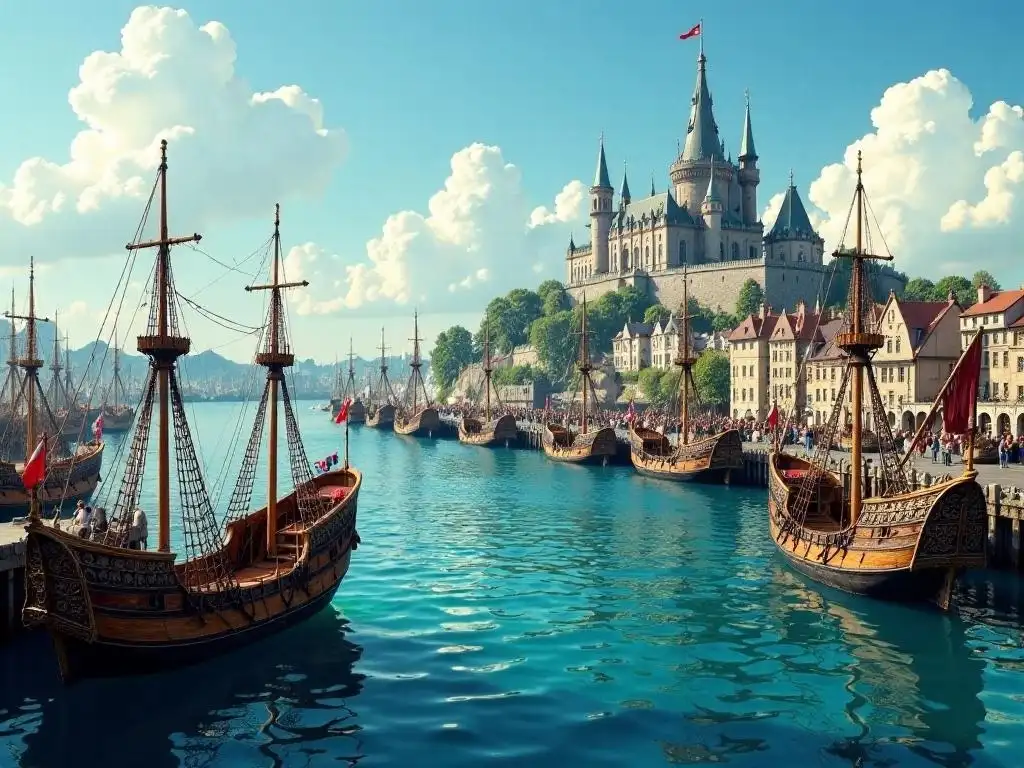
Establishing Maritime Supremacy
Naval power played a pivotal role in shaping the political landscapes of feudal Japan, particularly during the Kamakura (1185-1333) and Muromachi (1336-1573) periods. The establishment of maritime supremacy was not merely a matter of military strength; it involved strategic alliances, resource control, and the ability to project power across the seas.
During the Kamakura period, the Minamoto clan emerged victorious in the Genpei War against the Taira clan, largely due to their superior naval capabilities. The strategic positioning of their fleets allowed the Minamoto to disrupt Taira supply lines, effectively crippling their adversaries. This naval dominance was further solidified through the construction of fortified coastal bases and the development of advanced shipbuilding techniques, which enabled the rapid deployment of forces whenever necessary.
Additionally, the Mongol invasions in the late 13th century underscored the importance of naval power. The Kamakura shogunate's ability to mobilize its fleets to repel the invasions was crucial. The infamous typhoons, known as "kamikaze" or "divine winds," were seen as divine intervention, but the successful organization of naval defenses played a significant role in thwarting the Mongol fleets.
Several clans and figures were instrumental in the naval warfare of feudal Japan. Notable among them were the Wakamatsu, Sō, and Kikuchi clans, which established themselves as formidable maritime powers.
- The Wakamatsu Clan: This clan was known for its innovative ship designs and aggressive naval tactics. They often engaged in piracy, thus enhancing their naval prowess and wealth.
- The Sō Clan: Operating primarily in the Seto Inland Sea, the Sō Clan dominated trade routes and utilized their naval strength to influence regional politics through strategic alliances and maritime trade.
- Kikuchi Clan: Renowned for their battles against the Mongols, the Kikuchi utilized their strong naval force to secure their territories and maintain alliances with other clans.
Understanding these key players provides insight into how feudal alliances were forged and maintained through naval power. The ability to control and influence maritime routes often translated into political leverage, making naval strength a crucial component of feudal alliances.
The economic influence of naval power in feudal Japan cannot be overstated. Control over naval trade routes allowed clans to amass wealth and resources, which in turn funded military campaigns and strengthened political alliances.
- Trade Dynamics: The trade routes connecting Japan to the Asian mainland facilitated the exchange of goods such as silk, ceramics, and rice. Clans that controlled these routes, like the Sō, significantly boosted their economic standing.
- Maritime Commerce: The rise of port cities such as Nagasaki and Hakata became central to trade, where naval power directly influenced economic prosperity. These cities served as hubs for commerce, attracting merchants and fostering economic growth.
- Taxation and Tribute: Clans with strong naval forces often imposed taxes on maritime trade, thus creating a system of tribute that reinforced their political authority. This economic strategy allowed them to sustain larger fleets and maintain their naval dominance.
The interconnection between naval power, trade routes, and economic influence illustrates how maritime strength was integral to the political and social fabric of feudal Japan. Clans that recognized and exploited these dynamics were often the ones that shaped the course of Japanese history during the feudal era.
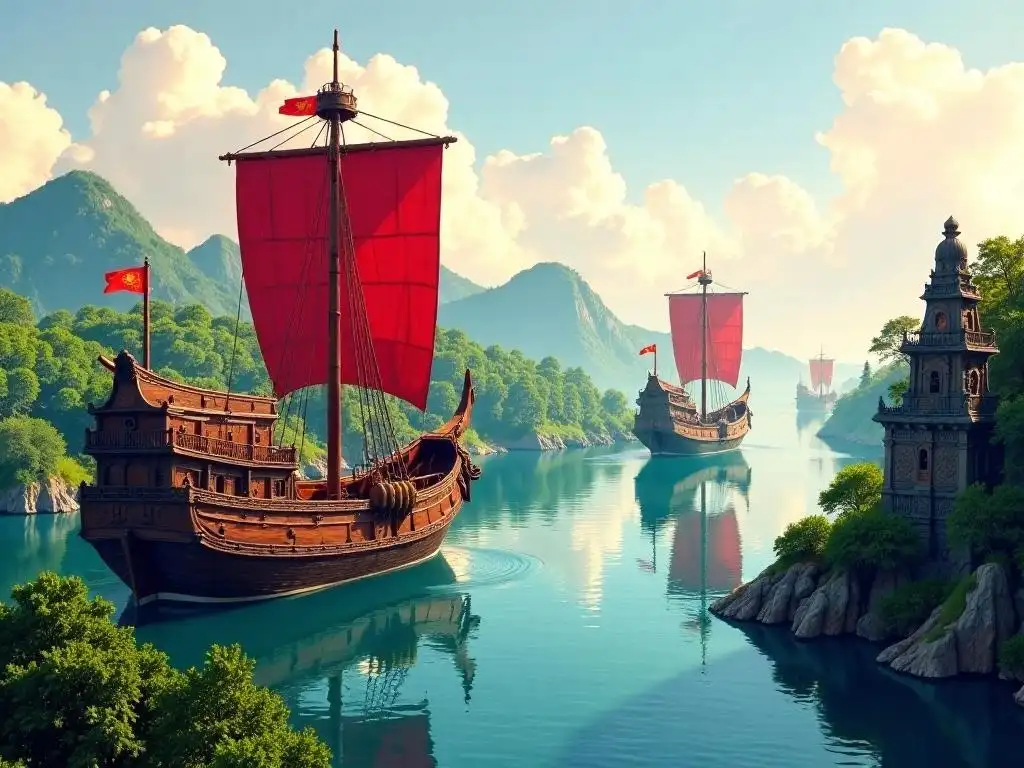
The development of Japanese naval forces during the feudal era was a gradual process influenced by both internal needs and external pressures. Initially, Japan's geography, with its numerous islands and coastal regions, necessitated the use of boats and ships for trade and communication. The earliest forms of naval craft were simple dugouts and canoes, which evolved over time into more sophisticated vessels as trade and conflict increased.
By the Kamakura period (1185-1333), the emergence of the samurai class and the need for territorial defense led to significant advancements in naval technology and tactics. The waki-bune, a type of flat-bottomed ship, became prominent for its maneuverability in shallow waters. The sengokubune, which featured a more robust structure and increased cargo capacity, emerged during the Sengoku period (1467-1615) as naval warfare became a critical aspect of regional power struggles.
Several major naval conflicts significantly shaped the political landscape of feudal Japan, demonstrating the strategic importance of naval power.
- The Genpei War (1180-1185): This conflict between the Taira and Minamoto clans illustrated the pivotal role of naval power in determining the outcome of battles. The Battle of Dan-no-ura in 1185 was a decisive naval engagement where the Minamoto clan's superior naval tactics led to the defeat of the Taira, ultimately paving the way for the establishment of the Kamakura shogunate.
- The Mongol Invasions (1274 and 1281): The attempted invasions by Kublai Khan showcased the importance of a strong navy in repelling foreign threats. The Japanese, utilizing their understanding of local waters and weather patterns, were able to leverage their naval strength to thwart the Mongol fleets, aided significantly by typhoons known as kamikaze or "divine winds."
- The Battle of Fukuda (1582): A lesser-known but notable naval battle during the Warring States period, where the forces of Toyotomi Hideyoshi engaged in naval skirmishes against rival daimyos. The outcome underscored the necessity of maintaining naval dominance to secure trade routes and control over coastal territories.
Throughout the feudal period, foreign powers greatly influenced Japanese naval strategy, primarily through trade and conflict.
- Chinese Influence: Early interactions with the Chinese brought advanced shipbuilding techniques and navigational knowledge to Japan. The adoption of the junks, a type of Chinese sailing vessel, improved Japanese maritime capabilities and facilitated trade along the East China Sea.
- Portuguese and Dutch Engagements: The arrival of European powers in the 16th century introduced new naval technologies, including firearms and advanced ship designs. The Portuguese, in particular, established trade routes and provided military aid that shaped Japanese naval engagements. The Dutch later became significant players in maritime trade, influencing Japan's naval policies during the Edo period (1603-1868).
- Adaptation of Western Naval Tactics: As Japan entered the modern era, the Meiji Restoration (1868) saw a dramatic shift in naval strategy, with the adoption of Western naval tactics and technologies. This transition marked the end of the feudal era's naval power dynamics and laid the groundwork for Japan's emergence as a formidable naval force in the Pacific.
In conclusion, naval power in feudal Japan was not merely a military asset but a critical component of political strategy, trade relations, and cultural exchange. The evolution of Japanese naval forces, the outcomes of key naval conflicts, and the influence of foreign powers collectively shaped the political landscapes of feudal Japan, leading to the establishment of a unique maritime legacy.
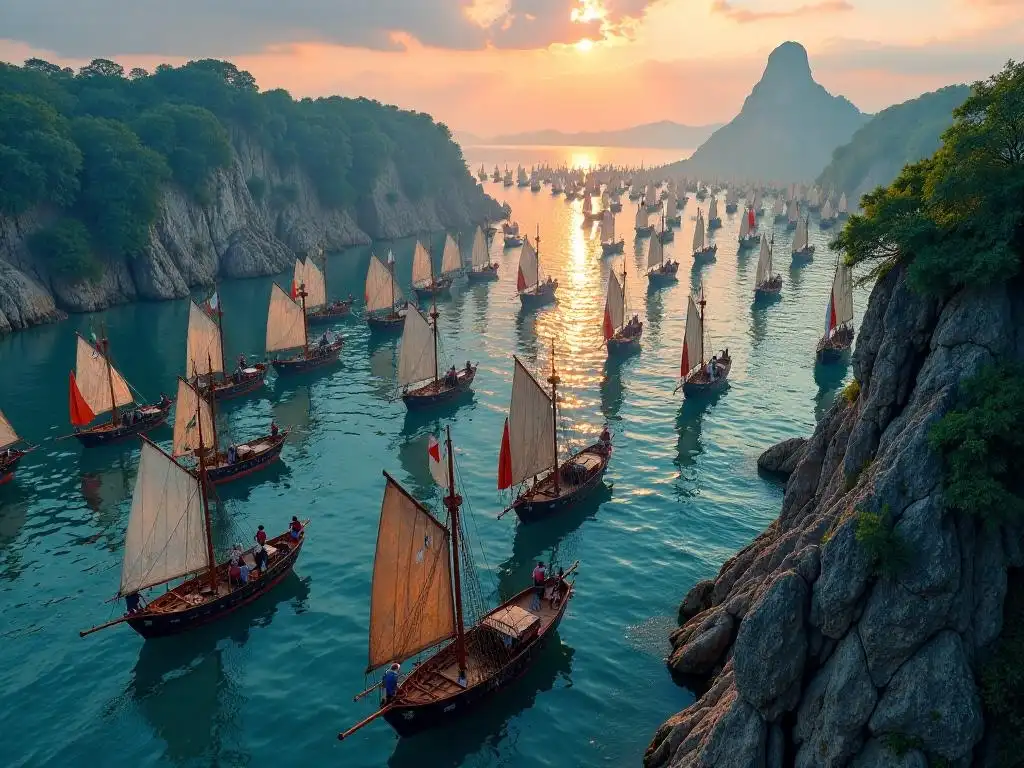
The Genpei War (1180-1185), a crucial conflict between the Taira and Minamoto clans, serves as an exemplary case of how naval power significantly influenced political landscapes during feudal Japan. The war marked a turning point in Japanese history, leading to the establishment of the Kamakura shogunate.
Key Naval Engagements
- Battle of Dan-no-ura (1185):
- This decisive naval engagement occurred in the narrow strait of Shimonoseki.
- The Minamoto fleet, led by Minamoto no Yoshitsune, employed superior tactics and an understanding of the local waters against the Taira, who underestimated their adversaries.
- The battle resulted in a catastrophic defeat for the Taira, leading to the end of their dominance and the drowning of the young Emperor Antoku, a symbolic blow to the Taira's legitimacy.
- Impact on Political Alliances:
- The Minamoto's naval success not only dismantled the Taira's grip on power but also solidified the Minamoto's alliances with other regional powers.
- Coastal clans and merchant ships began to see the value of aligning with the Minamoto, recognizing that control of naval routes could lead to greater political influence and economic gain.
The Mongol invasions of Japan in 1274 and 1281 presented a formidable challenge to the feudal structure of Japan, compelling alliances that were heavily influenced by naval power and defense strategies.
Strategic Naval Preparations
- Kamikaze (Divine Winds):
- The Mongol fleets, which were massive and well-coordinated, faced unexpected resistance from typhoons, known as "kamikaze," that destroyed a significant portion of their ships.
- The Japanese defenders, primarily samurai, utilized their knowledge of the coastal geography to launch effective counterattacks, emphasizing the importance of naval strategy in national defense.
Formation of Alliances
- Regional Clans Unite:
- The threat posed by the Mongols prompted various clans, including the Hojo and the Ashikaga, to set aside rivalries and form alliances to bolster naval defenses.
- These alliances were crucial in unifying disparate factions under a common cause, showcasing how external threats could reshape feudal allegiances.
- Naval Mobilization:
- The Japanese strategically mobilized their fleets, including the use of smaller, faster vessels that could navigate the coastal waters more effectively than the larger Mongol ships.
- This naval mobilization played a vital role in ensuring the survival of Japan during this period, marking a significant moment in feudal naval warfare.
The Role of the Wokou Pirates in Shaping Alliances
During the late 13th to the 16th centuries, the Wokou pirates emerged as a significant force in East Asian maritime activities, profoundly impacting feudal alliances in Japan through their naval prowess and trade dynamics.
Wokou Piracy and Economic Influence
- Economic Disruption:
- The Wokou, composed of Japanese, Chinese, and Portuguese pirates, disrupted trade along the coasts of Japan and China, leading to heightened tensions and the need for feudal lords to form alliances for mutual protection.
- Their activities forced coastal clans to either engage in piracy or invest in naval defenses, leading to a reevaluation of the balance of power in feudal Japan.
Shifting Alliances
- Alliances with Wokou:
- Some feudal lords began to ally with Wokou pirates to enhance their own naval capacities, creating a complex web of relationships based on mutual benefit.
- These alliances often included sharing intelligence about rival clans and pooling resources to exert greater control over coastal trade routes.
- Impact on Central Authority:
- The rise of Wokou piracy challenged the authority of the central government, as regional lords became increasingly reliant on their own naval forces to protect their territories.
- This shift contributed to the fragmentation of power and the eventual rise of influential daimyos, who capitalized on the need for stronger naval defenses.
The interplay between naval power and feudal alliances in Japan is vividly illustrated through these historical events. Understanding these dynamics provides insight into the broader implications of military strategy and political maneuvering during Japan's feudal era.
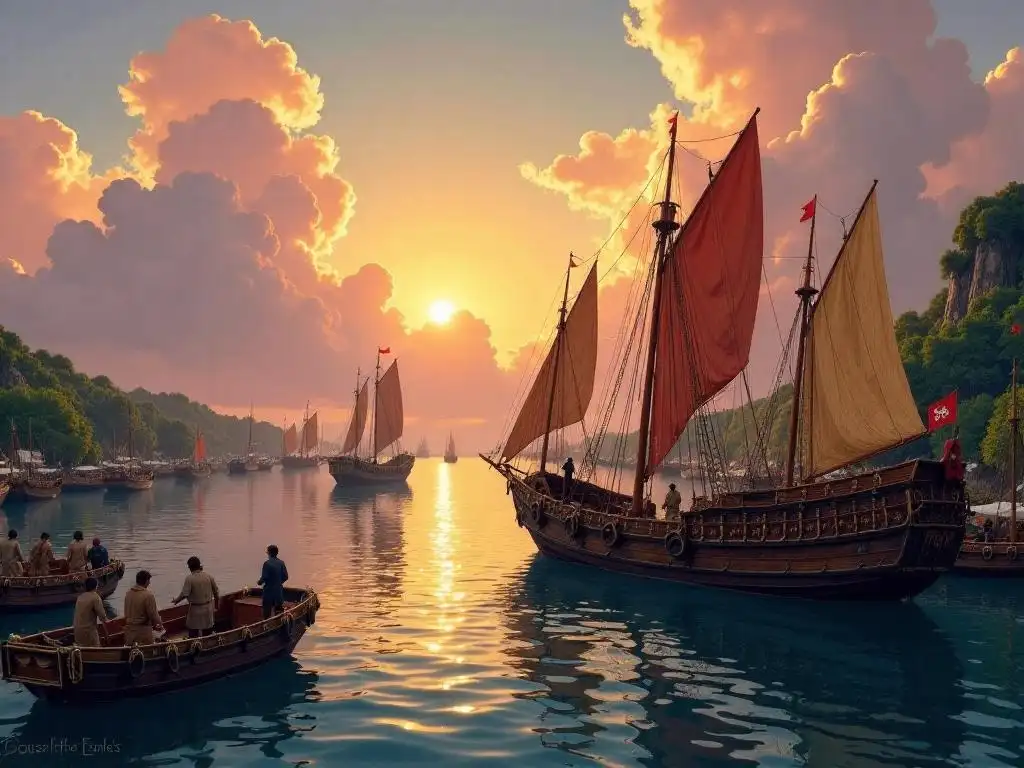
Naval warfare during the feudal era of Japan not only played a critical role in shaping political alliances and territorial disputes but also significantly influenced the cultural fabric of society. The maritime engagements and the strategies employed in naval battles led to a unique maritime culture that permeated various aspects of daily life, art, and literature. This section delves into the multifaceted cultural impact of naval warfare on feudal society.
Maritime Culture and Its Reflection in Art and Literature
The naval battles of feudal Japan inspired a rich tapestry of artistic expressions and literary works. Many artists and poets drew upon the themes of the sea, warfare, and heroism, crafting narratives that resonated with the societal values of the time.
- Artistic Representations:
- Ukiyo-e Prints: Artists such as Katsushika Hokusai and Utagawa Hiroshige produced iconic woodblock prints that depicted scenes from naval battles, showcasing the beauty and ferocity of maritime engagements. These artworks often highlighted the intricate details of ships, the power of the ocean, and the valor of warriors.
- Ceramics and Textiles: Maritime motifs frequently appeared in pottery and fabric designs, symbolizing the importance of the sea in trade and conflict. Ceramics often featured images of ships and waves, while textiles incorporated patterns that reflected naval themes.
- Literary Works:
- Epic Tales: Literature from this period, such as “The Tale of the Heike,” chronicled the rise and fall of clans engaged in naval warfare, emphasizing themes of loyalty, honor, and the transient nature of power. The narrative style often romanticized the heroism of samurai and the tragedies of war.
- Poetry: Haikus and other poetic forms flourished during this time, often capturing the essence of naval life. Poets expressed their reflections on the sea, the hardships of sailors, and the glory of naval victories, infusing their works with emotional depth and cultural significance.
Naval power significantly influenced the social hierarchies within feudal Japan, intertwining the fates of various clans and establishing new social dynamics. The ability to control maritime routes and engage in naval warfare often dictated a clan's status and power.
- Elevation of Maritime Clans:
- Clans that excelled in naval warfare, such as the Wokou pirates, gained prominence and wealth through their control of trade routes and raids. This elevated their status, allowing them to challenge established feudal lords and expand their influence.
- Successful naval commanders often ascended to positions of power, creating a new class of leaders who were respected not only for their martial prowess but also for their strategic acumen.
- Impact on Trade and Economy:
- The dominance of naval power facilitated trade with other regions, fostering economic prosperity. Clans that controlled shipping routes could levy tariffs on goods, further enhancing their wealth and social standing.
- This economic power translated into political influence, as wealthy clans could afford to equip larger fleets and hire skilled warriors, thereby reinforcing their social hierarchy.
The formation of naval alliances during feudal Japan had profound implications for the samurai code, known as Bushido. As clans sought to strengthen their positions through maritime collaborations, the principles of honor, loyalty, and duty were put to the test.
- Shifting Loyalties:
- Naval alliances often required samurai to navigate complex relationships with other clans. This necessitated a flexible interpretation of loyalty, as alliances could shift rapidly in response to changing political landscapes.
- The samurai's commitment to their clan was sometimes challenged by the need to honor alliances, leading to internal conflicts and moral dilemmas.
- Emphasis on Honor and Valor:
- Successful naval engagements reinforced the ideals of Bushido, as samurai were celebrated for their bravery in battle and their loyalty to their allies. Naval warfare provided opportunities for demonstrating valor, resulting in a glorification of maritime feats in samurai culture.
- The narratives surrounding naval battles became integral to the samurai identity, blending the ethos of Bushido with the realities of naval warfare.
The cultural impact of naval warfare on feudal society in Japan was profound and multifaceted. It influenced artistic expression, altered social hierarchies, and reshaped the samurai code, leaving a lasting legacy that continues to resonate in Japanese culture today.
Throughout Japan's feudal era, naval power proved to be a crucial element in shaping political alliances and territorial control. Key factors that contributed to this phenomenon include:
- Strategic Importance of Coastal Regions: Control over coastal areas allowed feudal lords to secure trade routes and enhance their economic stability. The Kanto and Seto Inland Sea regions were particularly pivotal due to their access to important maritime lanes.
- Piracy and Naval Warfare: The rise of piracy during the late feudal period underscored the need for organized naval forces. Clans such as the Wokou exploited maritime vulnerabilities, prompting the need for stronger naval defenses and offensive capabilities among rival factions.
- Alliances Formed Through Maritime Strength: Powerful clans leveraged their naval strength to forge alliances with weaker factions. The Hojo, for instance, utilized their naval resources effectively to expand their influence over the Kanto region, securing allegiances and quelling dissent.
- Technological Advancements: The development of shipbuilding techniques and the introduction of firearms aboard vessels transformed naval engagements. These advancements not only changed the dynamics of warfare but also shaped political negotiations and territorial claims.
- Naval Battles as Political Tools: Significant naval confrontations, such as the Battle of Kōtō, highlighted the direct correlation between military success at sea and political power. Victories on the water often translated into greater political legitimacy and territorial expansion for the victors.
The legacy of naval power in feudal Japan continues to influence contemporary maritime strategies and national defense policies. The historical context provides insights into:
- Modern Naval Doctrine: The strategic principles established during the feudal era, including the importance of securing maritime trade routes and maintaining naval superiority, resonate in Japan's current defense strategies. The Japan Maritime Self-Defense Force (JMSDF) reflects these long-standing priorities.
- Cultural Reverence for Naval History: The historical significance of naval power is celebrated in Japanese culture, evident in literature and media that romanticize maritime exploits and the samurai code. This reverence contributes to a national identity that values both maritime tradition and modern naval capability.
- Regional Security Dynamics: The geopolitical landscape of East Asia is heavily influenced by maritime considerations, reminiscent of feudal power struggles. Modern Japan's approach to regional security, particularly in relation to China and North Korea, echoes the historical reliance on naval strength to deter aggression and foster alliances.
- Educational and Historical Preservation: Today, numerous institutions and museums in Japan dedicate themselves to preserving the history of naval warfare and its impact on feudal politics. This ensures that the teachings of the past continue to inform contemporary maritime policies and strategies.
The interplay between naval power and political alliances during the feudal era has left an indelible mark on Japan's historical narrative and continues to shape its modern identity. As global maritime challenges evolve, understanding these historical dynamics becomes increasingly relevant for scholars, policymakers, and military strategists alike.
Frequently Asked Questions
Naval power played a crucial role in shaping political alliances and territorial control. It enabled warlords to expand their influence and secure trade routes, which were vital for resources.
Feudal alliances often determined the allocation of resources and naval forces among clans. Stronger alliances led to coordinated naval strategies, enhancing their ability to defend against rivals and project power.
The Wakamatsu, Miyoshi, and Shimazu clans were notable for their naval prowess, utilizing advanced ships and tactics to dominate maritime conflicts and protect their territories.
Japan's island nature and numerous coastal regions facilitated the development of a robust naval tradition. Geographic advantages allowed clans to leverage their naval capabilities for both defense and trade.
The rise of naval power influenced cultural exchanges and economic prosperity. It fostered the growth of maritime trade, shaping societal norms and contributing to the rich tapestry of Japanese culture during this era.
Naval power was not merely a tool of warfare in feudal Japan; it was a catalyst for political transformation and cultural exchange. As we navigate the complexities of modern geopolitics, the lessons from Japan's feudal era remind us that control over the seas can dictate the rise and fall of empires. The strategic alliances forged through naval dominance shaped not only the political landscape of the time but also laid the groundwork for Japan's future interactions with the world.
The influence of naval power in shaping alliances and rivalries continues to resonate in today's global affairs. The historical significance of these maritime strategies serves as a poignant reminder of how interconnected our world has always been. As the historian John Keegan once noted, The sea is a great leveler, and it is through the sea that nations rise and fall.
This observation underscores the importance of understanding our past to navigate the present and future, as the dynamics of power remain closely tied to control over maritime routes and resources.
As we reflect on the intricate relationship between naval power and political landscapes, I invite you to consider how these historical lessons can inform our actions today. What alliances are you forging in your own life, and how can you harness the power of collaboration to navigate your personal and professional seas? Embrace the spirit of exploration and cooperation that defined feudal Japan, and let it inspire you to create meaningful connections that can shape your own journey in an ever-evolving world.
Thank you for taking the time to explore how naval power influenced political alliances in feudal Japan. Your curiosity is the key to unlocking a deeper understanding of this fascinating era! Now, let's take steps to expand your knowledge and engage with this rich history.
- Dive deeper: Read more articles on maritime history and its impact on the political dynamics of feudal Japan. The more you explore, the more connections you’ll uncover!
- Join the discussion: Share your thoughts in the comments below or become a member of our community forum. Together, let’s investigate how naval strategies transformed alliances!
- Explore our resources: Check out our carefully curated list of books and documentaries that reveal the untold stories of the seas during feudal Japan.
What insights do you think modern nations can learn from the naval strategies of feudal Japan? We invite you to join the conversation!