
The Spiritual Journey: How the Japanese Tea Ceremony Connects Past and Present

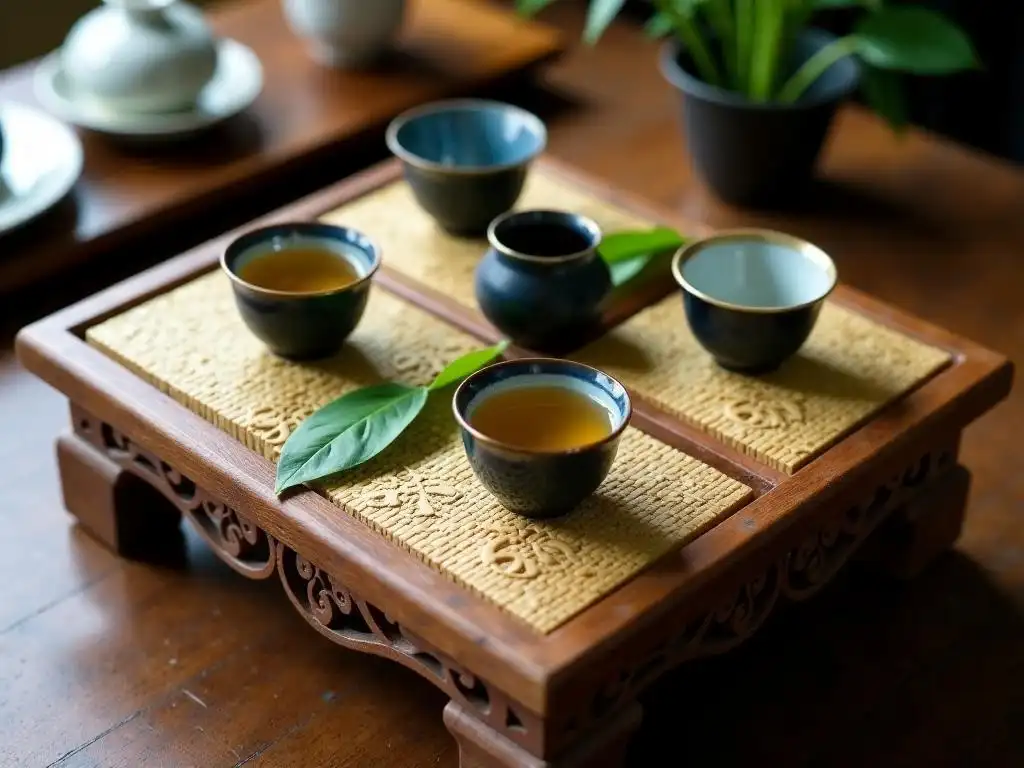
Welcome to Feudal Japan History! Immerse yourself in the rich tapestry of Japan's feudal era, where every thread tells a story of culture, tradition, and profound societal shifts. In our featured article, "The Spiritual Journey: How the Japanese Tea Ceremony Connects Past and Present," we invite you to uncover the captivating history of the Japanese tea ceremony—a ritual that transcends time and connects generations.
Prepare to embark on a journey that showcases not just the artistry of tea, but the spiritual significance it holds within Japanese society. Dive deeper with us and discover how this exquisite tradition continues to influence modern life in Japan!
Introduction to Japanese Tea Ceremony History
The Japanese tea ceremony, known as chanoyu or sado, is more than just a cultural ritual; it is a profound expression of Japanese aesthetics, spirituality, and social etiquette. Rooted in the Zen Buddhist philosophy, this ceremonial practice offers a unique glimpse into Japan's rich historical tapestry, intertwining art, nature, and mindfulness.
As we delve into the Japanese tea ceremony history, we uncover not only the evolution of the ceremony itself but also its significance in contemporary society. This exploration highlights how the tea ceremony serves as a bridge connecting the past and present, reflecting the values and traditions that continue to shape Japanese culture today.
The Origins of the Japanese Tea Ceremony
The origins of the Japanese tea ceremony can be traced back to the 8th century, when tea was first introduced to Japan from China. However, it wasn't until the 12th century that the practice began to take root in Japanese culture, primarily among Buddhist monks who appreciated tea for its stimulating properties during long meditation sessions. Here are some key milestones in the development of the tea ceremony:
- Early Influences (8th-12th Century):
- Tea was initially consumed for its medicinal benefits.
- The first documented mention of tea in Japan appears in the writings of Japanese monk Saicho.
- The Rise of the Zen Tradition (12th-16th Century):
- The incorporation of tea into Zen Buddhist practices led to a more formalized approach.
- Notable figures like Dōgen and Sen no Rikyū played crucial roles in shaping the aesthetics and philosophy of the tea ceremony.
- Formalization and Aesthetics (16th Century Onward):
- The tea ceremony evolved into a highly ritualized art form, emphasizing simplicity, harmony, and respect.
- The concept of wabi-sabi, which finds beauty in imperfection, became a guiding principle.
The Japanese tea ceremony's transformation over the centuries reflects broader societal changes, including shifts in power dynamics, the influence of Zen philosophy, and the quest for aesthetic beauty. Today, the ceremony remains a vital expression of Japanese culture, inviting participants to engage not only with the tea but also with its rich historical and spiritual context.
In the following sections, we will further explore the intricacies of the tea ceremony, its cultural significance, and how it continues to resonate with modern practitioners.
Key Components of the Japanese Tea Ceremony
The Japanese tea ceremony, or chanoyu, is a ritualistic practice that embodies harmony, respect, purity, and tranquility. Each tea ceremony is a carefully orchestrated event that highlights various components, each serving a specific role in the overall experience. The key components include the setting, utensils, and the tea itself, all of which contribute to creating an atmosphere conducive to reflection and mindfulness.
The setting is typically a tatami-matted room, designed to evoke simplicity and natural beauty. This environment encourages participants to leave behind the distractions of everyday life. The ceremony often takes place in a tea house or a specially designated area within a garden, where nature plays an integral role in enhancing the experience.
Essential Utensils Used in the Tea Ceremony
The utensils used in the Japanese tea ceremony are thoughtfully selected, each carrying its own significance. Here are the essential implements:
- Chawan (Tea Bowl): The bowl in which matcha is whisked and served. The design and texture of the chawan can vary, reflecting the seasons and the spirit of the occasion.
- Chasen (Bamboo Whisk): A delicate bamboo whisk used to froth the matcha. Its intricate design allows for the perfect mixing of tea and water, creating a harmonious blend.
- Chashaku (Bamboo Scoop): A bamboo scoop for measuring matcha powder. This tool is crafted with care to ensure the correct amount of tea is used.
- Kyusu (Teapot): While not always present in every ceremony, a kyusu may be used for brewing loose leaf tea, complementing the matcha served.
- Natsume (Tea Caddy): A container for matcha, often made from lacquered wood, reflecting the attention to detail in the tea ceremony.
Each of these utensils not only serves a practical purpose but also embodies the aesthetic principles of wabi-sabi, the Japanese philosophy that finds beauty in imperfection and transience.
Traditional Ingredients: Matcha and Its Significance
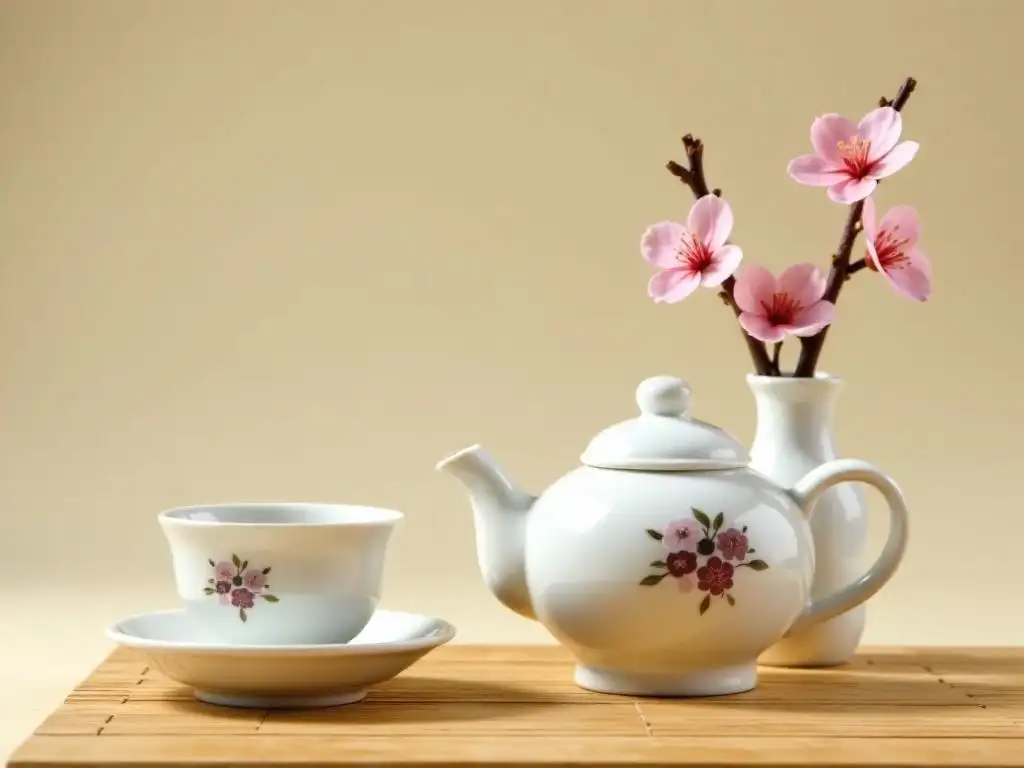
At the heart of the Japanese tea ceremony lies matcha, a finely ground powder of specially cultivated and processed green tea. Matcha is not merely a beverage but a vital element of the ceremony, representing a deep cultural significance.
The significance of matcha can be traced back to the Tang Dynasty in China, where powdered tea was first introduced. However, it was in Japan that matcha evolved into a ceremonial practice. The cultivation of the tea plant is meticulous; it involves shading the plants before harvest to increase chlorophyll and enhance the flavor. This process contributes to the vibrant green color and rich umami taste that matcha is known for.
Additionally, matcha is imbued with spiritual symbolism, representing purity and tranquility. Its preparation and consumption serve as a meditative practice, encouraging participants to engage fully with the present moment.
The Spiritual Significance of the Japanese Tea Ceremony
The Japanese tea ceremony goes beyond the act of drinking tea; it encapsulates a spiritual journey that fosters mindfulness and connection. Rooted in Zen Buddhism, the ceremony emphasizes the importance of being present and finding beauty in simplicity.
Through the ritualistic movements and the attention to detail, practitioners engage in a form of meditation that invites introspection and reflection. Each element, from the utensils to the tea itself, is imbued with meaning, creating a space where participants can connect with themselves and the world around them.
Connection Between Zen Buddhism and the Tea Ceremony
The roots of the Japanese tea ceremony are deeply intertwined with Zen Buddhism. The practice was popularized during the 15th and 16th centuries, particularly through the influence of tea masters like Sen no Rikyū. Zen principles emphasize simplicity, mindfulness, and the appreciation of the moment, all of which are integral to the tea ceremony.
Incorporating Zen teachings, the tea ceremony serves as a vehicle for spiritual growth. Participants are encouraged to let go of distractions and engage in a state of ichigo ichie—the idea that each moment is unique and should be cherished. This connection enhances the spiritual journey, making each ceremony a profound experience.
Symbolism in the Tea Ceremony
Symbolism plays a crucial role in the Japanese tea ceremony, with each component representing broader themes of life, nature, and impermanence.
- The Tea Itself: Represents harmony and respect, embodying the essence of the gathering.
- The Utensils: Each utensil carries its own story, often reflecting the seasons or the host's intentions. The choice of ceramics, for instance, can symbolize the beauty of nature or the passage of time.
- The Ritual Movements: The precise choreography of preparing and serving tea symbolizes the flow of life and the importance of each moment.
Through these symbols, the tea ceremony invites participants to reflect on their own lives, fostering a deeper understanding of the interconnectedness of all things. The experience transcends the physical act of drinking tea, transforming into a holistic spiritual journey that connects past traditions with present practices.
The Evolution of the Japanese Tea Ceremony
The Japanese tea ceremony, known as chanoyu or sado, has undergone significant transformations since its inception in the 9th century. Initially influenced by Chinese tea culture, it began as a simple act of brewing and serving tea. Over the centuries, it evolved into a highly ritualized practice that reflects the aesthetics and philosophies of Japanese culture.
The introduction of Zen Buddhism in the 12th century marked a turning point, emphasizing mindfulness and simplicity. As tea became more accessible during the Muromachi period (1336-1573), the ceremony began to incorporate artistic elements such as calligraphy, flower arranging, and pottery, intertwining with Japan's broader cultural practices.
By the Edo period (1603-1868), the tea ceremony had solidified into an art form under the influence of tea masters like Sen no Rikyū, who established the principles of harmony ( wa), respect ( kei), purity ( sei), and tranquility ( jaku). These principles not only shaped the aesthetics of the ceremony but also its spiritual and social dimensions, creating a space for personal reflection and connection with others.
The evolution of the Japanese tea ceremony reflects the changing social dynamics and cultural values of Japan, illustrating how this practice serves as a lens through which to view the nation's historical trajectory.
Adaptations Through Different Eras
Throughout its history, the Japanese tea ceremony has adapted to various social and cultural contexts. During the Muromachi period, as the samurai class began to embrace the ceremony, it became a symbol of status and sophistication. The aesthetics of tea ceremony utensils also evolved, with a focus on rustic charm and natural materials reflecting the wabi-sabi philosophy. This shift mirrored broader societal changes as Japan transitioned from a feudal society to a more unified nation.
In the Meiji period (1868-1912), the tea ceremony faced challenges from Western influences and modernization. However, rather than diminishing its relevance, this era led to a revival of interest in traditional customs. Tea schools emerged, preserving the teachings of past masters while adapting the ceremony for contemporary audiences. Today, the tea ceremony is celebrated not only as a cultural heritage but also as a means of fostering mindfulness and connection in a fast-paced world, making it relevant in modern society.
Contemporary Relevance of the Japanese Tea Ceremony
In the 21st century, the Japanese tea ceremony continues to resonate with people both in Japan and internationally. As a form of cultural expression, it invites participants to engage in a meditative practice that emphasizes presence and appreciation of beauty in simplicity. Modern adaptations often incorporate elements such as matcha lattes and tea workshops, appealing to a broader audience while still honoring traditional practices.
Furthermore, the tea ceremony has become a medium for cultural exchange, promoting understanding and appreciation of Japanese heritage among diverse audiences. Many cultural institutions and community centers around the world now offer tea ceremony experiences, fostering a global appreciation for this ancient practice. The contemporary relevance of the Japanese tea ceremony lies not only in its historical significance but also in its ability to provide solace and connection in an increasingly complex world.
Comparing Traditional and Modern Japanese Tea Ceremonies
The juxtaposition of traditional and modern Japanese tea ceremonies highlights both continuity and change in the practice. While the core elements of preparation and serving tea remain, the context, philosophy, and execution can differ significantly.
Key Differences in Practice and Philosophy
Traditional Japanese tea ceremonies are characterized by a strict adherence to ritual and etiquette. Each movement is deliberate, reflecting the deep spiritual significance of the act. The atmosphere is often serene, with an emphasis on quietude and contemplation. Participants are expected to engage fully in the experience, embodying the principles of harmony and respect.
In contrast, modern interpretations of the tea ceremony may prioritize accessibility and inclusivity. While still rooted in tradition, they often allow for more flexibility in practice. For instance, some contemporary ceremonies focus on the social aspects, encouraging conversation and interaction among participants. The philosophy may also shift, emphasizing personal enjoyment and creativity over strict adherence to ritual.
Recommendations for Participating in a Tea Ceremony
For those interested in experiencing a Japanese tea ceremony, there are several recommendations to enhance the experience:
- Research and Understand: Familiarize yourself with the history and principles behind the ceremony. Knowing the significance of each element can enrich your participation.
- Dress Appropriately: If attending a formal tea ceremony, consider wearing traditional attire such as a kimono. This shows respect for the practice and enhances the authenticity of the experience.
- Embrace Mindfulness: Approach the ceremony with an open mind and a willingness to engage in the moment. Focus on the sensory experience of tea, from its aroma to its taste.
- Ask Questions: Don’t hesitate to inquire about the rituals or significance of specific practices. This not only deepens your understanding but also demonstrates your interest in the tradition.
- Practice Gratitude: Express appreciation for the host and the experience. A simple thank you acknowledges the effort and care that goes into preparing and serving tea.
By following these recommendations, participants can fully appreciate the beauty and depth of the Japanese tea ceremony, bridging the past with the present in a meaningful way.
Conclusion: The Lasting Legacy of the Japanese Tea Ceremony
The Japanese tea ceremony, or chanoyu, is not only a ritualistic preparation and serving of tea but also a profound cultural practice that embodies the ethos of Japanese aesthetics and philosophy. Rooted in Zen Buddhism, the ceremony emphasizes mindfulness, simplicity, and a deep appreciation for the moment. Its lasting legacy is evident in the way it has shaped various aspects of Japanese culture, from art and architecture to social customs and interpersonal relationships.
As the ceremony has evolved, it has preserved essential values such as harmony, respect, purity, and tranquility—principles that resonate with contemporary society. Today, the tea ceremony serves as a bridge connecting generations, allowing individuals to experience a slice of history while fostering a sense of community and mindfulness. This enduring tradition continues to inspire and educate those who partake in it, ensuring that its spirit lives on in modern Japan and beyond.
In a global context, the Japanese tea ceremony has also intrigued international audiences, leading to a greater understanding and appreciation of Japanese culture. Its influence can be seen in various cultural exchanges and adaptations worldwide, further solidifying its role as a cultural ambassador of Japan.
Additional Resources for Exploring Japanese Tea Ceremony History
For those interested in delving deeper into the rich history and nuances of the Japanese tea ceremony, the following resources are invaluable:
- Books:
- The Book of Tea by Okakura Kakuzō – This classic text explores the philosophical and aesthetic underpinnings of the tea ceremony.
- Tea Life, Tea Mind by Soshitsu Sen XV – A comprehensive examination of the tea ceremony from the perspective of a prominent tea master.
- Documentaries:
- The Way of Tea – A documentary that provides insights into the art and philosophy behind the Japanese tea ceremony, featuring interviews with tea masters.
- Wabi-Sabi: The Japanese Art of Simplicity – This film explores the principles of simplicity and beauty in Japanese aesthetics, including the tea ceremony.
- Online Courses:
- Various platforms offer courses on the Japanese tea ceremony, allowing participants to learn about its history and practice remotely. Look for offerings from institutions specializing in Japanese arts and culture.
- Local Workshops:
- Many cultural centers and Japanese gardens around the world host tea ceremony workshops. Participating in these can provide hands-on experience and a deeper understanding of the practice.
These resources serve as a starting point for anyone eager to explore the profound and intricate world of the Japanese tea ceremony, enriching their knowledge of this beautiful tradition.
Call to Action
Are you ready to embark on your own spiritual journey through the Japanese tea ceremony? Whether you're a beginner or someone looking to deepen your understanding, we encourage you to explore the resources mentioned above. Consider attending a local workshop or reading one of the suggested books to immerse yourself in this captivating tradition.
Additionally, share your experiences or thoughts about the tea ceremony in the comments section below! Join our community of enthusiasts who appreciate the beauty and significance of this timeless practice. Let’s keep the conversation going and ensure the legacy of the Japanese tea ceremony continues to thrive for future generations. 🍵✨
- Introduction to Japanese Tea Ceremony History
- The Origins of the Japanese Tea Ceremony
- Key Components of the Japanese Tea Ceremony
- Essential Utensils Used in the Tea Ceremony
- Traditional Ingredients: Matcha and Its Significance
- The Spiritual Significance of the Japanese Tea Ceremony
- The Evolution of the Japanese Tea Ceremony
- Comparing Traditional and Modern Japanese Tea Ceremonies
- Conclusion: The Lasting Legacy of the Japanese Tea Ceremony
- Additional Resources for Exploring Japanese Tea Ceremony History
- Call to Action
- What is the significance of the Japanese tea ceremony in feudal Japan?
- How did the Japanese tea ceremony evolve over time?
- What are the key elements of the Japanese tea ceremony?
- How does the Japanese tea ceremony relate to modern Japan?
- What can one learn from the Japanese tea ceremony about Japanese culture?
Frequently Asked Questions
What is the significance of the Japanese tea ceremony in feudal Japan?
The Japanese tea ceremony was not just about serving tea; it symbolized hospitality, aesthetic appreciation, and the spiritual connection between hosts and guests, reflecting the values of the feudal era.
How did the Japanese tea ceremony evolve over time?
Initially influenced by Zen Buddhism, the tea ceremony evolved into a highly structured practice that integrated artistic expression, philosophical concepts, and cultural rituals, becoming a vital part of Japan's heritage.
What are the key elements of the Japanese tea ceremony?
Key elements include tea preparation, ceremonial utensils, specific movements, and a focus on mindfulness, all designed to create a tranquil atmosphere that fosters inner peace and connection.
How does the Japanese tea ceremony relate to modern Japan?
Today, the tea ceremony continues to serve as a bridge between the past and present, promoting cultural identity and tradition while inspiring contemporary practices and art forms.
What can one learn from the Japanese tea ceremony about Japanese culture?
The tea ceremony offers insights into Japanese aesthetics, values of simplicity, and the importance of nature, reflecting a deep-rooted appreciation for harmony, respect, and purity in everyday life.
Final Reflection: Embracing Tradition in a Modern World
The Japanese tea ceremony is not merely a ritual; it is a profound connection between past and present, weaving together history, culture, and spirituality. In a world that often prioritizes speed and efficiency, the tea ceremony invites us to slow down, appreciate the moment, and recognize the beauty in simplicity. This practice, steeped in centuries of tradition, remains incredibly relevant today as we seek mindfulness and connection in our fast-paced lives.
The influence of the Japanese tea ceremony extends far beyond its aesthetic appeal; it serves as a cultural touchstone that fosters community and introspection. The values embodied in this ceremony—respect, harmony, purity, and tranquility—resonate deeply in our contemporary society, where the chaos of daily life can often overshadow our inner peace. As the philosopher D.T. Suzuki once said, "> The tea ceremony is a way of life, a way of seeing the world." This perspective encourages us to embrace the lessons of the past while navigating the complexities of the present.
As you reflect on the significance of the Japanese tea ceremony, consider how its teachings can enrich your own life. Take a moment to pause, breathe, and appreciate the beauty around you. Whether through a cup of tea shared with a friend or a quiet moment of solitude, allow the spirit of this ancient practice to inspire you. In doing so, you not only honor the history of the tea ceremony but also cultivate a deeper connection to yourself and the world around you.
Embrace the Serenity: Begin Your Own Spiritual Journey!
Thank you for taking the time to explore the beauty and depth of the Japanese tea ceremony with us. You’ve discovered how this ancient practice connects us to our past while enriching our present. Now, it’s time to take the next step in your own spiritual journey.
Here are some actions to inspire and guide you:
- Participate in a Local Tea Ceremony: Seek out nearby cultural centers or tea houses that host authentic ceremonies. Experience firsthand the mindfulness and tranquility that this tradition offers.
- Study the Art of Tea Preparation: Invest time in learning about the intricate rituals involved in preparing and serving tea. Even making matcha at home can become a meditative practice.
- Share the Experience: Invite friends or family to join you for a tea ceremony at home, where you can discuss your insights about the connection between history and the present!
What aspects of the tea ceremony resonate with you the most, and how could you incorporate these elements into your daily life? We’d love to hear your thoughts!